 LINE
LINE
 WhatsApp
 Google Map


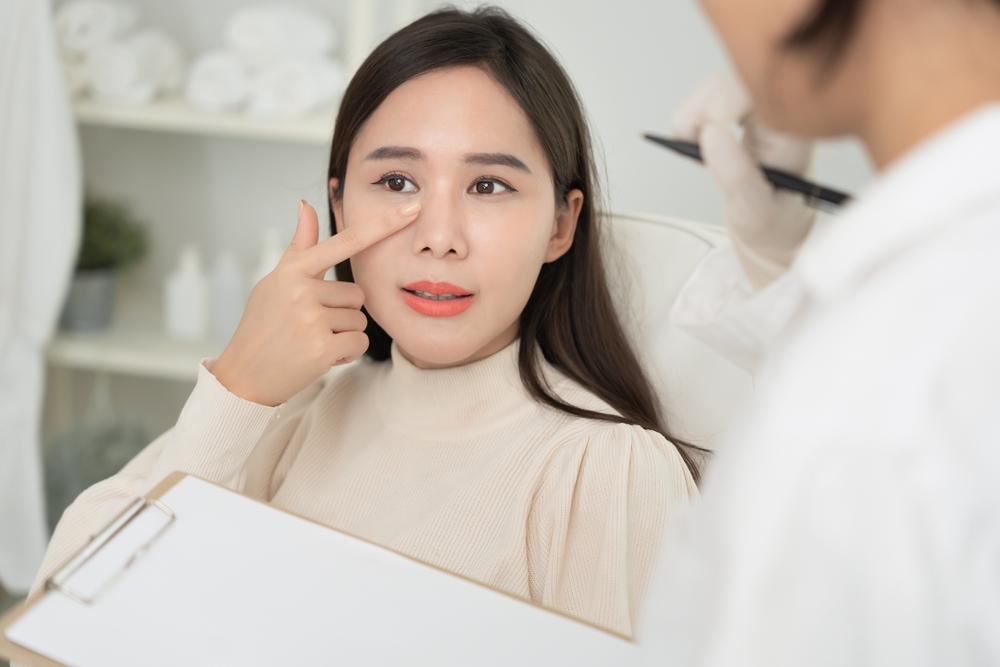
Bangkok has one of the busiest rhinoplasty markets in Southeast Asia, which makes choosing well harder, not easier. If you’re considering an open rhinoplasty procedure, the clinic and surgeon you choose will affect your result more than almost any other decision in the process. This guide covers what the procedure actually involves, what to ask before you book, and how to spot a reliable clinic forrhinoplasty in Bangkok.
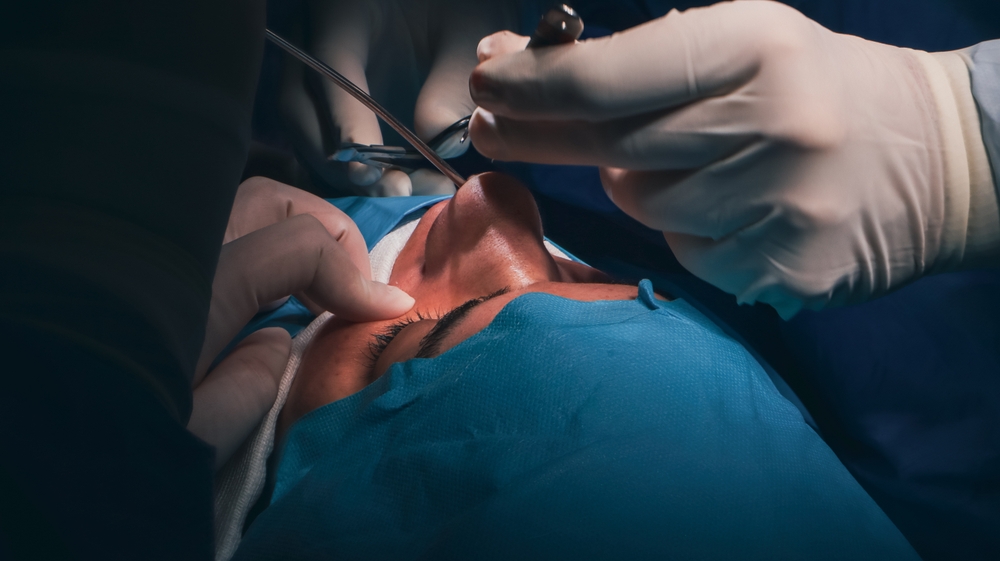
Open rhinoplasty gets its name from a small incision made across the columella, the strip of tissue between the nostrils. That incision gives the surgeon direct access to the cartilage and bone underneath, rather than working through internal incisions alone. Surgeons generally choose this approach for structural correction rather than purely for aesthetic change, since it gives them a clear view of what actually needs adjusting.
An open rhinoplasty procedure follows a fairly consistent sequence, though the details depend on the individual case:
Anaesthesia and preparation: The patient is prepared under general or local anaesthesia with sedation, depending on the surgeon’s approach and the complexity of the case.
The columellar incision: The surgeon makes the incision and carefully lifts the soft tissue to expose the cartilage and bone underneath.
Reshaping: Trimming excess cartilage, adding grafts, or repositioning structural elements, depending on what the case calls for.
Closure and initial splinting: The incision is closed, and a splint is fitted to support the new shape while the initial healing takes place.
Open and closed rhinoplasty differ mainly in access and visibility. Closed rhinoplasty uses incisions hidden inside the nostrils, with no external scar, and tends to suit more limited changes. The open rhinoplasty technique gives the surgeon a fuller view of the nasal framework for more structural correction, revision work, and precise tip changes.
The open approach is generally considered for:
Recovery from the open rhinoplasty procedure generally involves swelling and bruising in the first one to two weeks, followed by gradual refinement over several months as the tissue settles.
Because open rhinoplasty involves direct exposure of the nasal framework, and grafts or cartilage reshaping are often permanent, the margin for error is smaller than with less invasive procedures, which is why clinic and surgeon choice deserves more scrutiny here than it might for a simpler treatment.
Consider asking these direct questions during the consultation stage, as well as browsing the doctor’s before-and-after galleries:
If you’re researching how to choose a clinic that specialises in open rhinoplasty in Thailand, these are the checks worth making before you book anything.
Vague answers about experience or technique: If a clinic can’t give you a straight answer about the surgeon’s open rhinoplasty, such as specific case volume, take that into consideration.
Pressure to book before a proper consultation: Being pushed toward a deposit before imaging or a real discussion of your anatomy is a warning sign.
No clear follow-up plan: A clinic lacking a structured plan after surgery, particularly for patients travelling home, can indicate a possible issue with follow-ups.
Before committing to the open rhinoplasty procedure, patients see a simulation of possible outcomes based on their actual facial structure using 3D design technology to create a balanced, personalised result.
Certifications and licenses highlight a recognised standard of training and experience. ONE Surgery & Aesthetics’ team of surgeons has over 20 years of experience, specialising in open rhinoplasty techniques.
Structural and revision cases in particular benefit from a planning-led approach, where the technique and any grafting needs are discussed in detail before surgery.
From CT/3D scanning to post-operative follow-ups to ensure optimal results that align with your pre-designed 3d simulation.
If you’re travelling to Bangkok specifically for open rhinoplasty, allow enough time for a post-operative check-up before you fly home. Ask your doctor directly how many days they recommend staying, what the check-up involves, and how they’ll stay in touch once you’ve left the country.
Learn about what to look for in a clinic and the value of consulting an expert in open rhinoplasty at ONE Surgery & Aesthetics Clinic in Bangkok.
References:
How To Choose The Best Rhinoplasty Nose Surgeon? Retrieved on 7 September 2026 fromhttps://mayamaesthetics.com.sa/how-to-choose-the-best-rhinoplasty-nose-surgeon/
How to Find a Top Rhinoplasty Surgeon: 5 Criteria You Can’t Judge From Case Photos Alone. Retrieved on 7 September 2026 fromhttps://zetithbeautyclinic.com/en-us/posts/rhinoplasty-finding-best-doctor/
A: Check the surgeon’s specific experience with the open rhinoplasty technique, not just general cosmetic surgery volume, along with verifiable board certification and a facility that offers proper imaging and consultation before booking. A clinic willing to discuss complications, revisions, and aftercare openly is a stronger sign than polished marketing alone.
A: In the first 1 to 3 days, swelling and bruising are at their most noticeable, and rest tends to be the priority. Some mild discomfort and nasal congestion are normal in this window. By days 4 to 7, bruising usually starts to fade, and swelling lessens; this is typically when a splint or dressing is changed and when clinics generally schedule the first post-operative check-up. Initial swelling usually subsides within 7-10 days, and most patients return to normal activities after two weeks. Avoid heavy glasses or pressure on the nose during the first month to allow full stabilization.
From around weeks 2 to 4, visible bruising has usually faded, and most people feel comfortable returning to work or social activities, though some swelling remains, particularly around the tip. From months 1 to 6, the nose continues to refine gradually — tip swelling in particular can take the longest to normalize, and the final contour becomes more predictable as this period progresses.
A: Bridge swelling tends to settle faster than tip swelling, which can take considerably longer to fully resolve. Sleep position, activity levels, and individual healing all affect the pace. Our full swelling timeline guide covers what’s typical at each stage and what to watch for.
A: The columellar scar is generally small and fades over several months, though early redness and firmness are normal. Sun protection, avoiding trauma to the area, and following your surgeon’s wound care instructions all support better healing. See our scar-specific guide for a longer explanation of what to expect.
4180/6 Rama IV Road, Phra Khanong Subdistrict, Khlong Toei District, Bangkok 10110, Thailand
At ONE Surgery and Aesthetics, we are your trusted partner in enhancing your appearance and youthful charm through cutting-edge technology.