 LINE
LINE
 WhatsApp
 Google Map


ONE Clinic : Surgery & Aesthetics
Technology that elevates rhinoplasty with millimeter-level precision
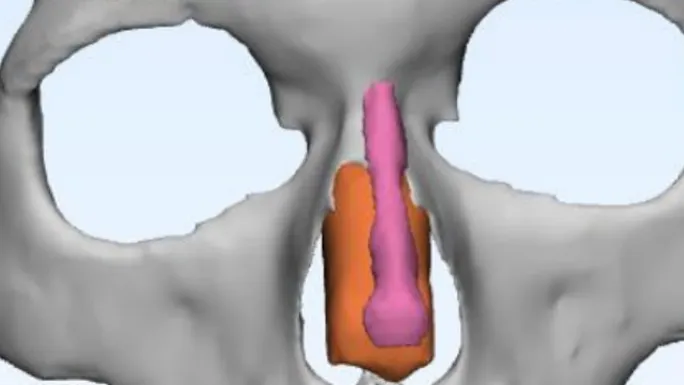
Manually carved implants may not fully match the planned design. The underside of the implant may also not fit the nasal bridge precisely.
A standard implant is not designed for each person’s nasal bone structure. This may create a gap between the implant and nasal bridge, allowing it to float, move, or shift.
Standard implants come in fixed shapes, sizes, and lengths. If the implant does not suit the nasal bone and soft tissue, it may create unnecessary pressure on the nasal tip.
Personalized Silicone Implant Technology
Custom-made silicone nasal implant from Korea
Individually fabricated case by case to help reduce common concerns such as a floating implant, implant deviation, or a nose shape that does not match the planned design.
Technology
House of 3D Plastic Surgery
Create a 3D facial simulation and design your desired nose shape with the surgeon, with refinements made until you feel confident.
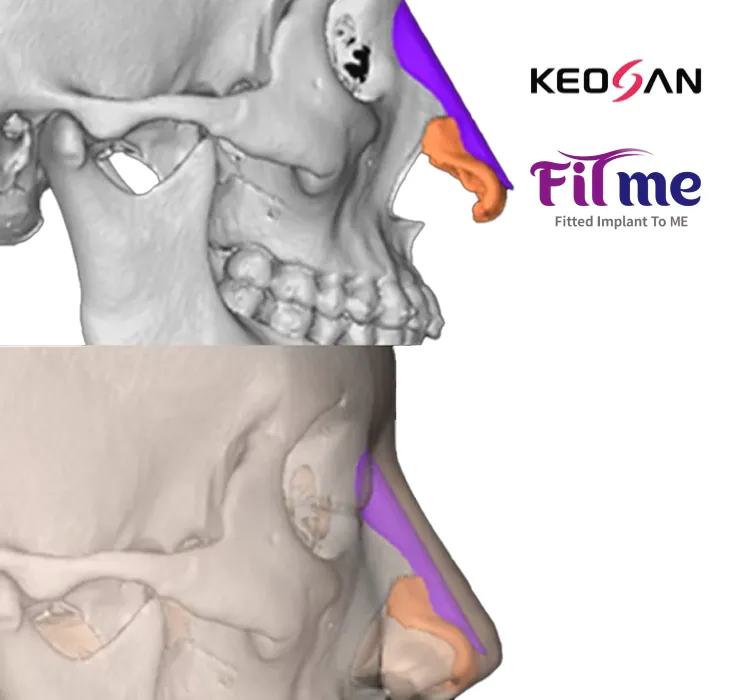
A CT scan analyzes the facial bone structure and nasal bridge to identify internal concerns before producing your silicone nasal implant.
CT scan data and 3D design are used to create a custom “Zero Gap” silicone implant for
a closer nasal bridge fit.
The Future of Cosmetic Surgery
The era of uncertain cosmetic surgery and one-size-fits-all silicone nasal implants, or “beauty blocks,” is changing.
The future of rhinoplasty focuses on personalized beauty. 3D Design is the starting point of this new experience. It is not just a graphic preview, but a bridge between medical science and artistic design, helping the nose harmonize more naturally with each patient’s face.
ONE Surgery & Aesthetics uses 3D Design to transform the traditional rhinoplasty experience by allowing patients to preview the planned result before surgery, helping reduce concerns about results that do not match the reference.
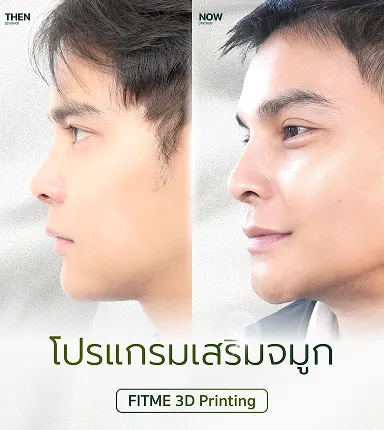
3D Design is a high-detail 3D facial simulation system. Every rhinoplasty patient can analyze and co-design the nose shape that best suits their face together with the surgeon. This helps align the expected result with the planned design.
(Predictable Results)
No more guessing whether your desired nose shape will suit your face. With 3D Design, patients can preview the planned nose shape before surgery.
(Perfect Communication)
“Natural-Looking” or “more defined” can mean different things to different people. 3D Design helps you and your surgeon communicate more clearly, down to millimeter-level details.
(Customised Planning)
The surgeon can analyze your nose shape and create a surgical plan that is more precise and more suitable for your facial structure.
ONE Clinic : Surgery & aesthetics
02 — Results
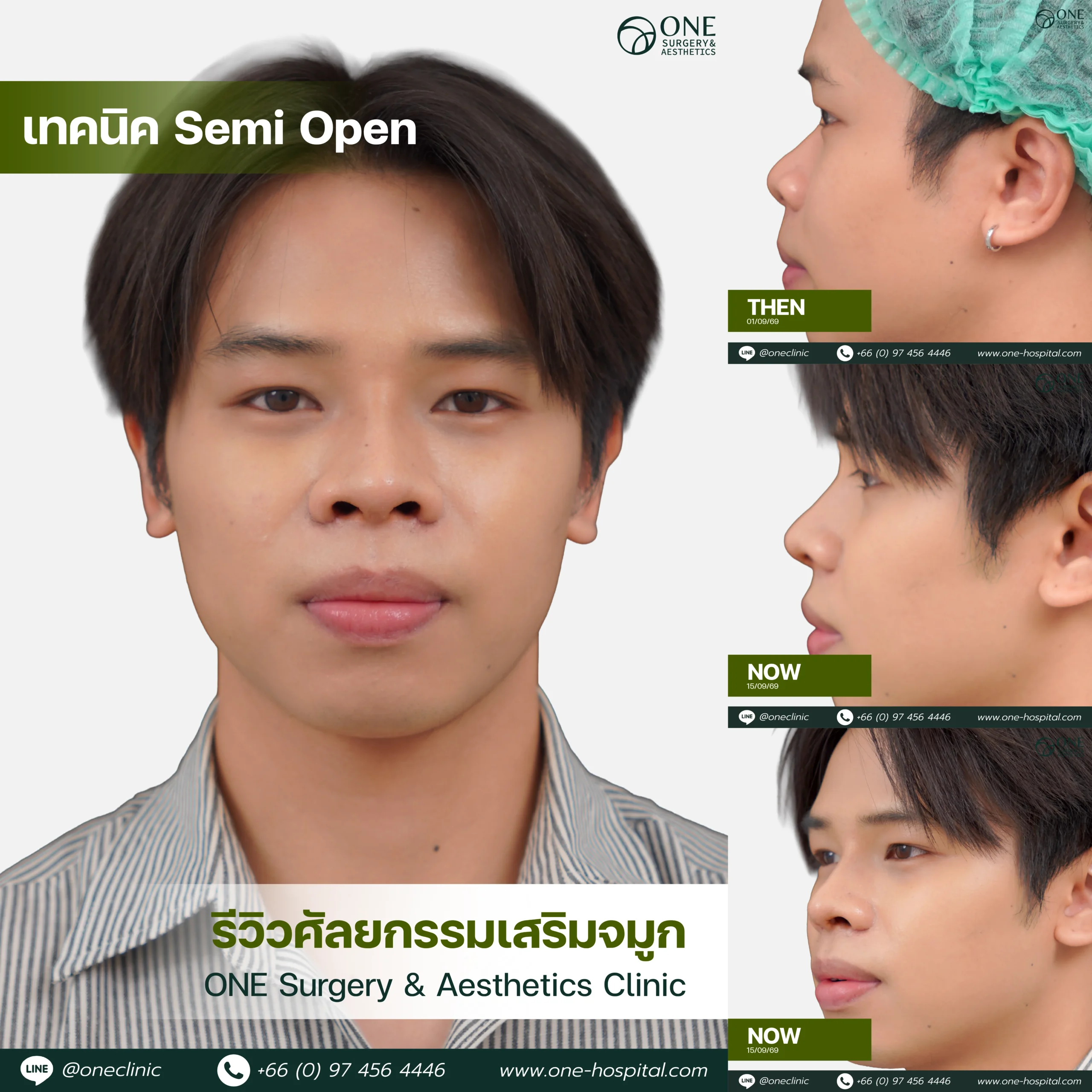
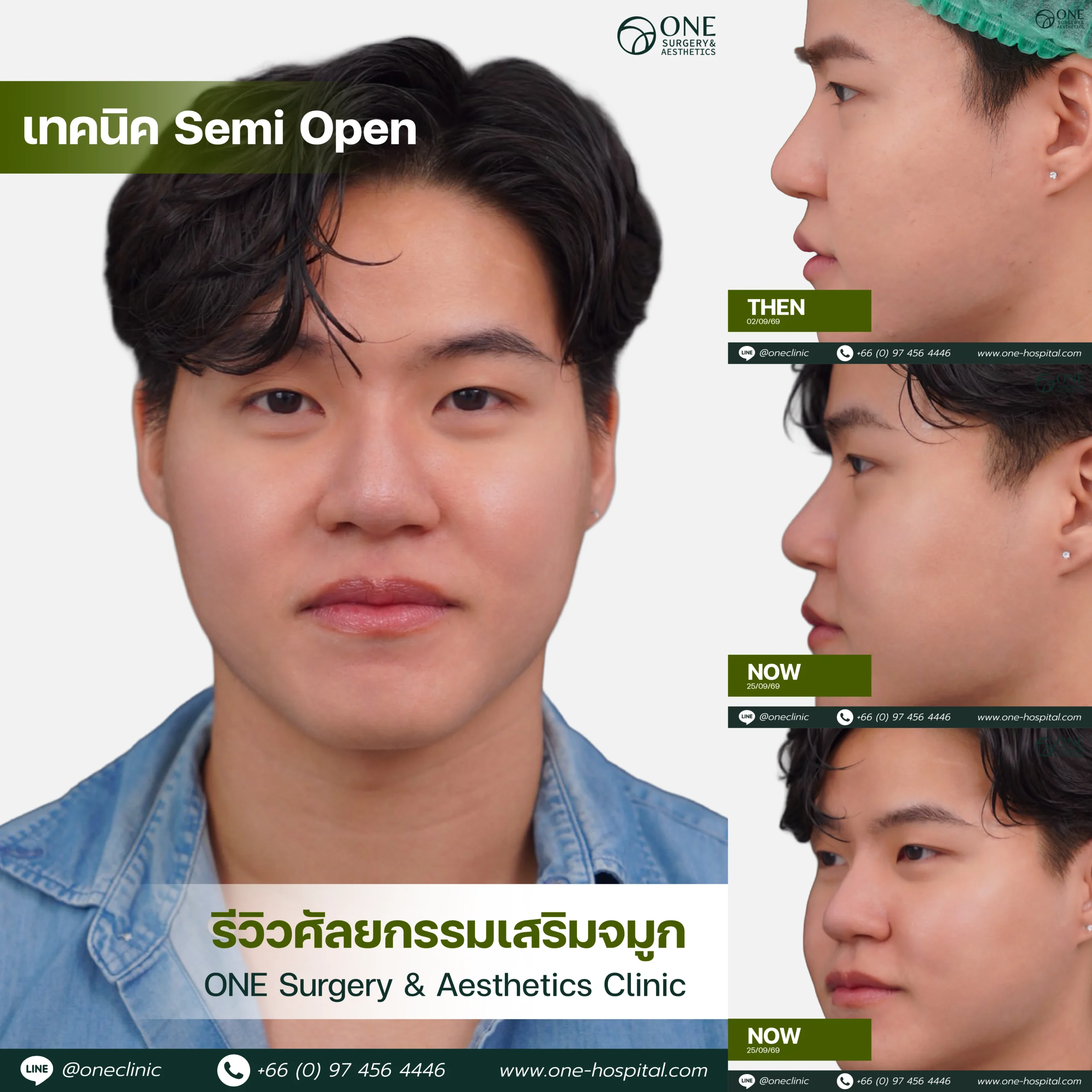
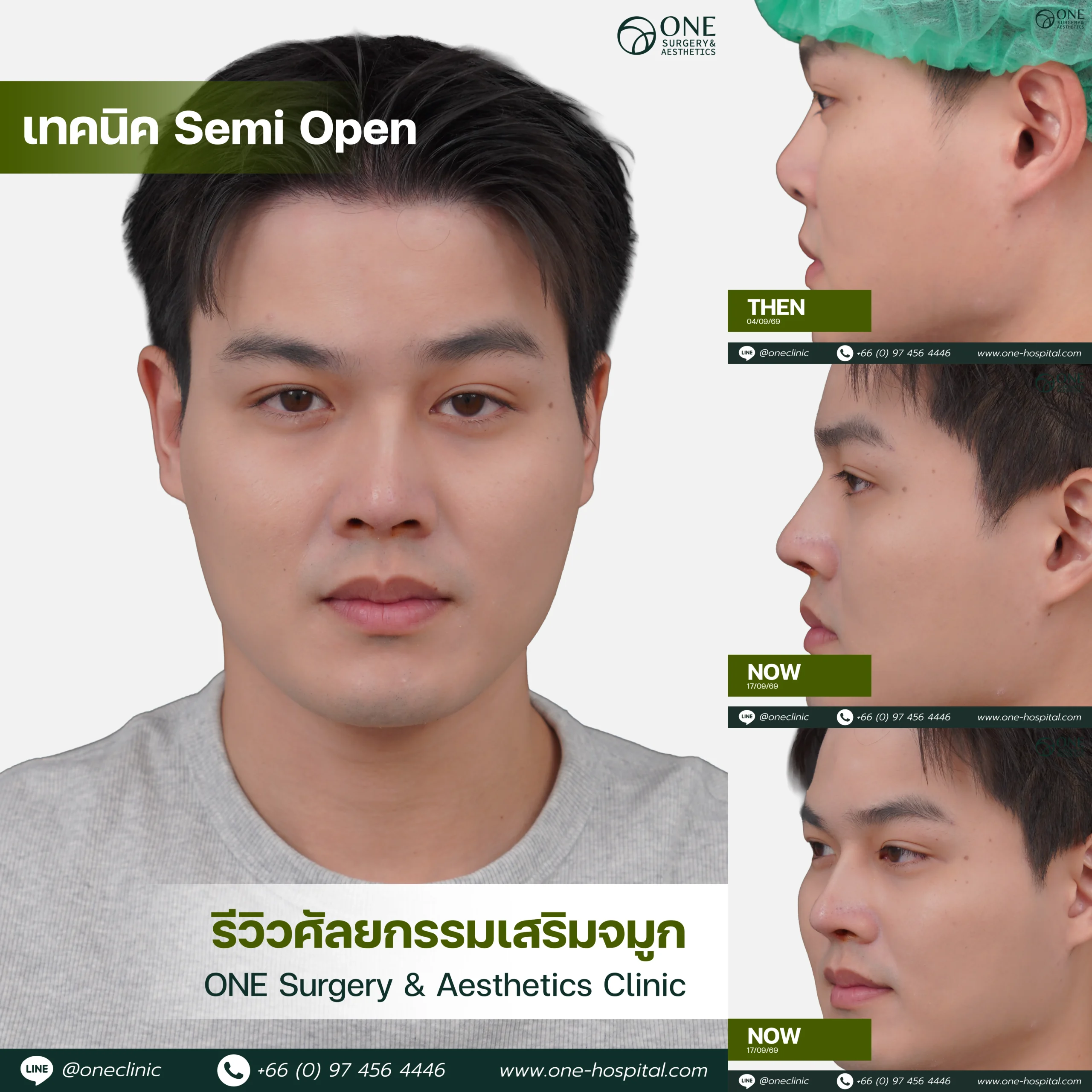
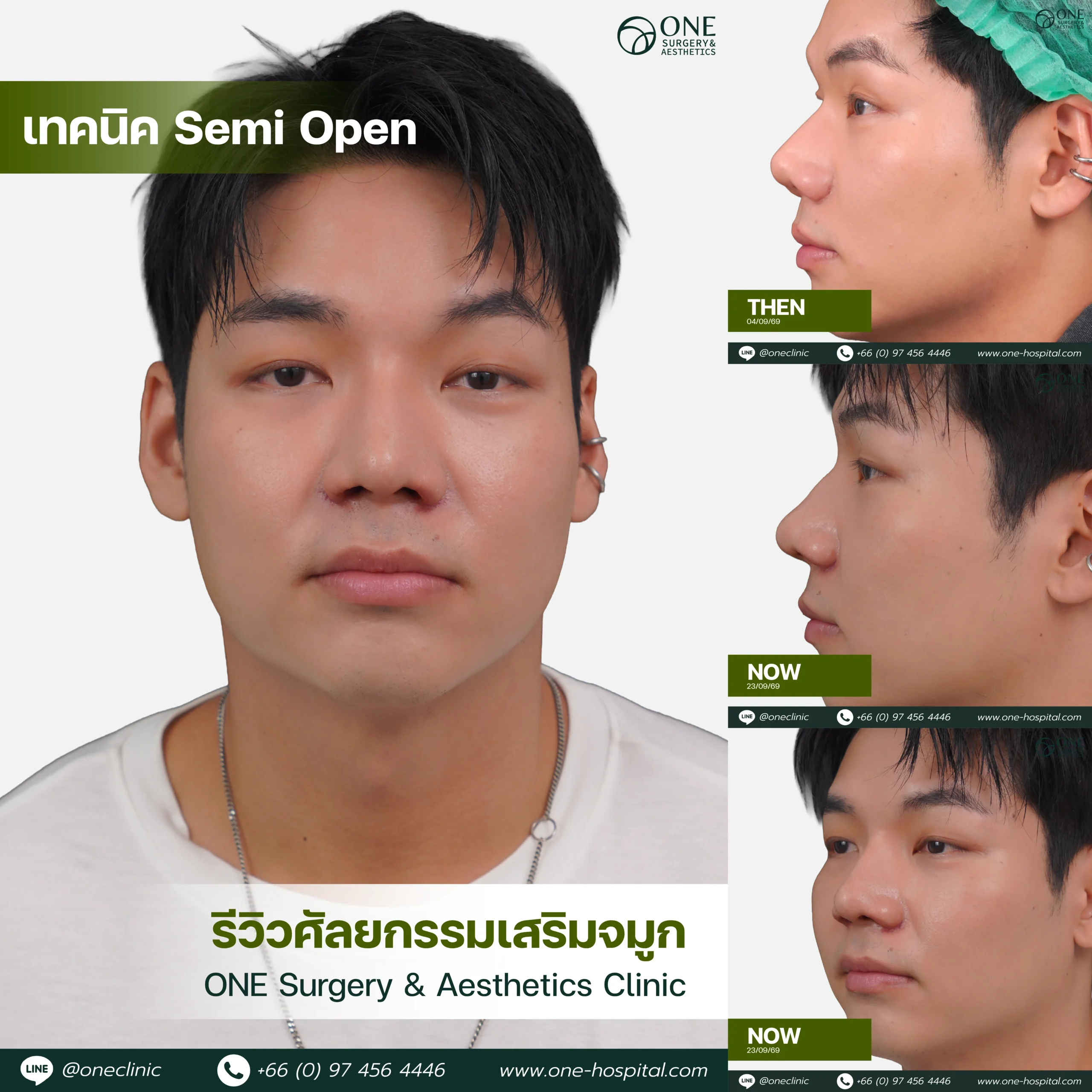
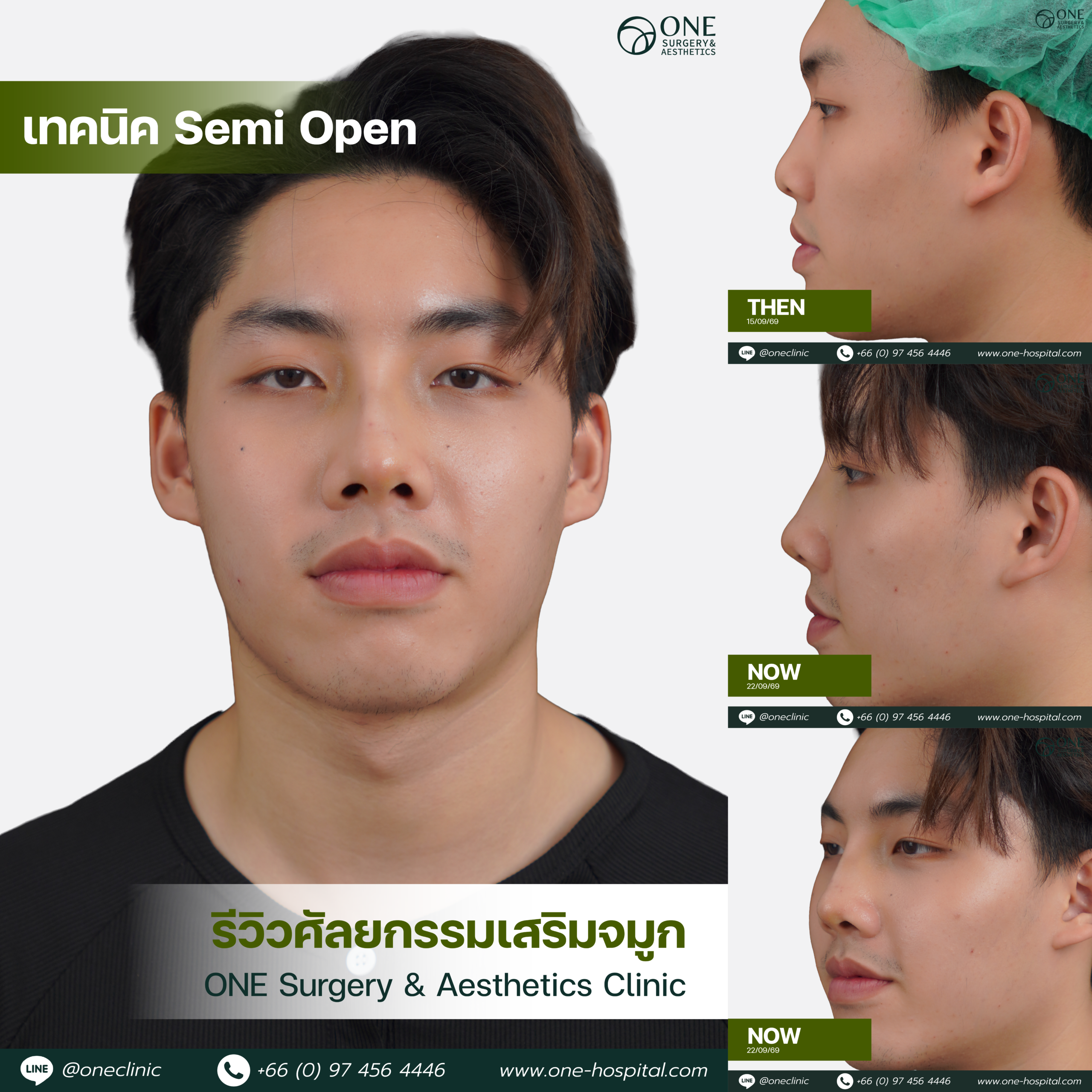
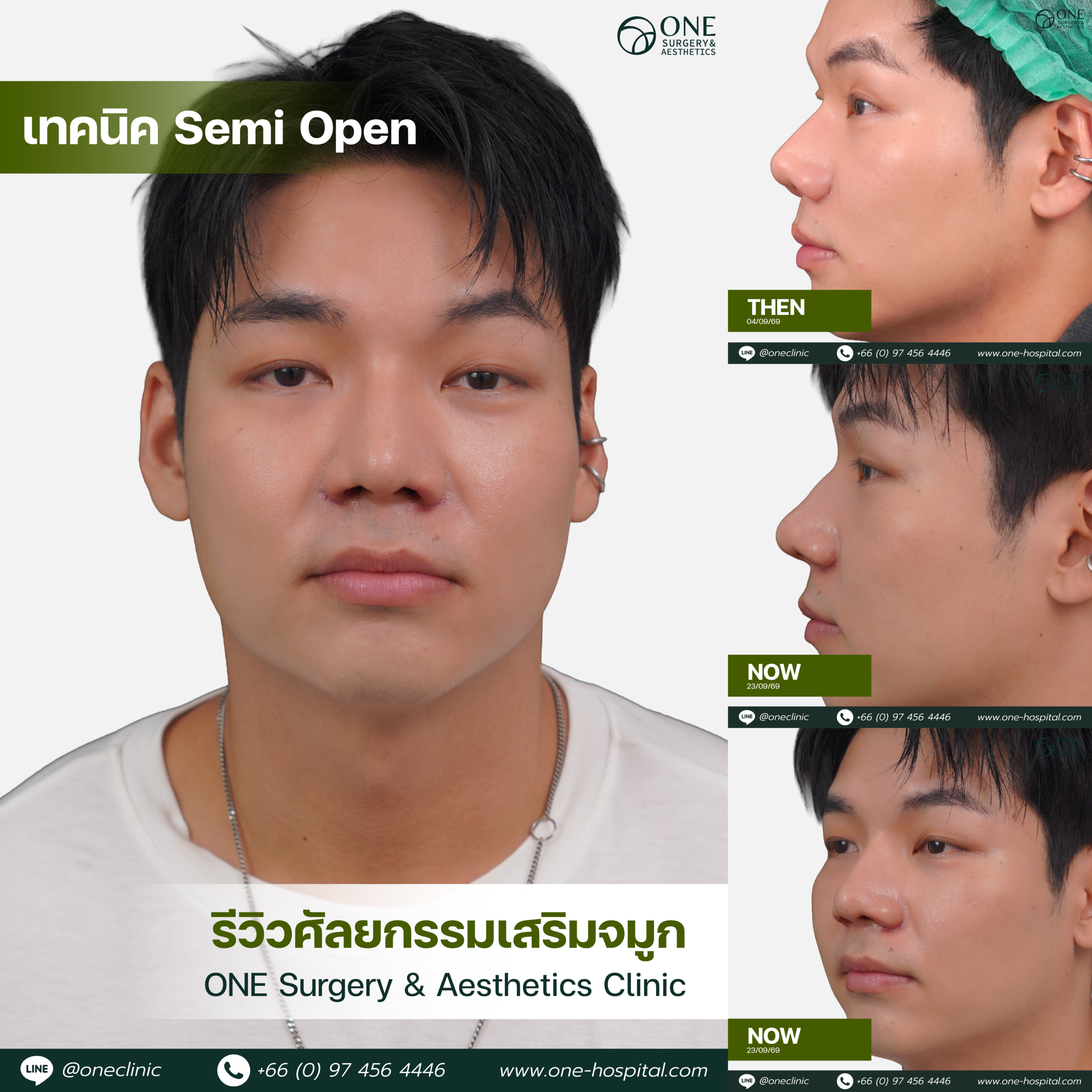
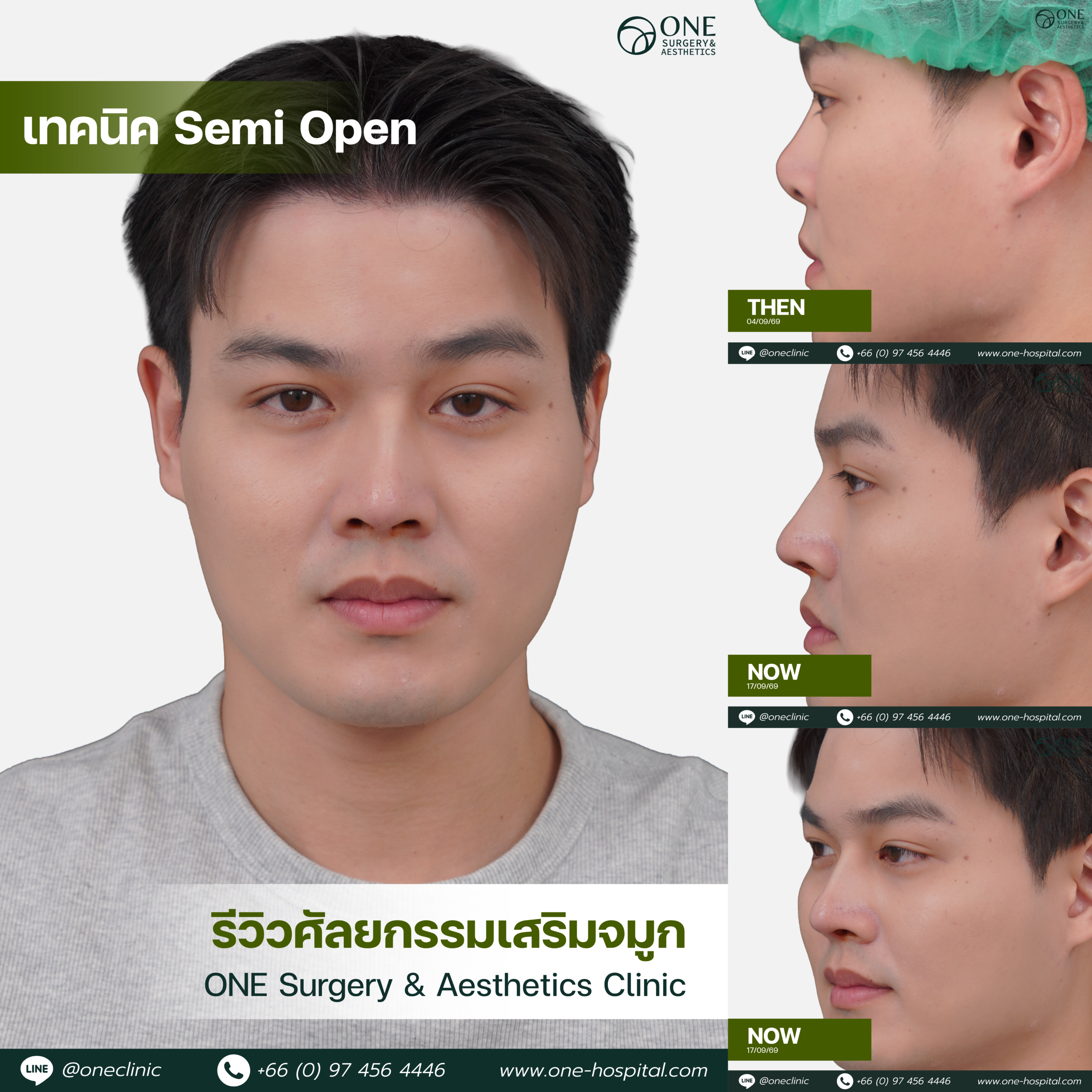
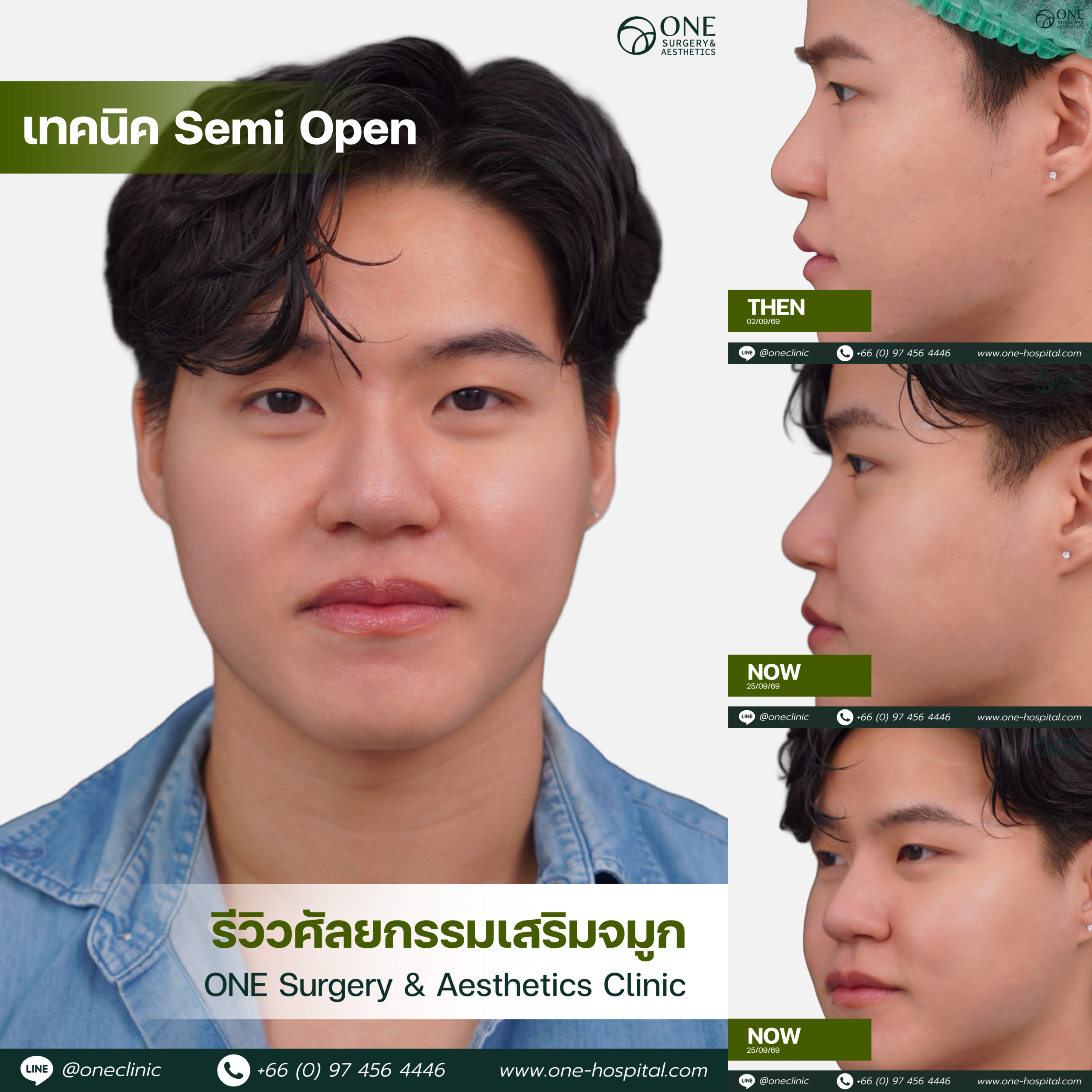
Each rhinoplasty case is designed by specialized surgeons using custom 3D-printed silicone implant technology.


ONE Clinic : Surgery & Aesthetics
At ONE Surgery & Aesthetics, every rhinoplasty patient can co-design their ideal nose shape with the surgeon through 3D Design, a simulation system that helps preview the planned nose shape before surgery.

ONE Clinic : Surgery & aesthetics
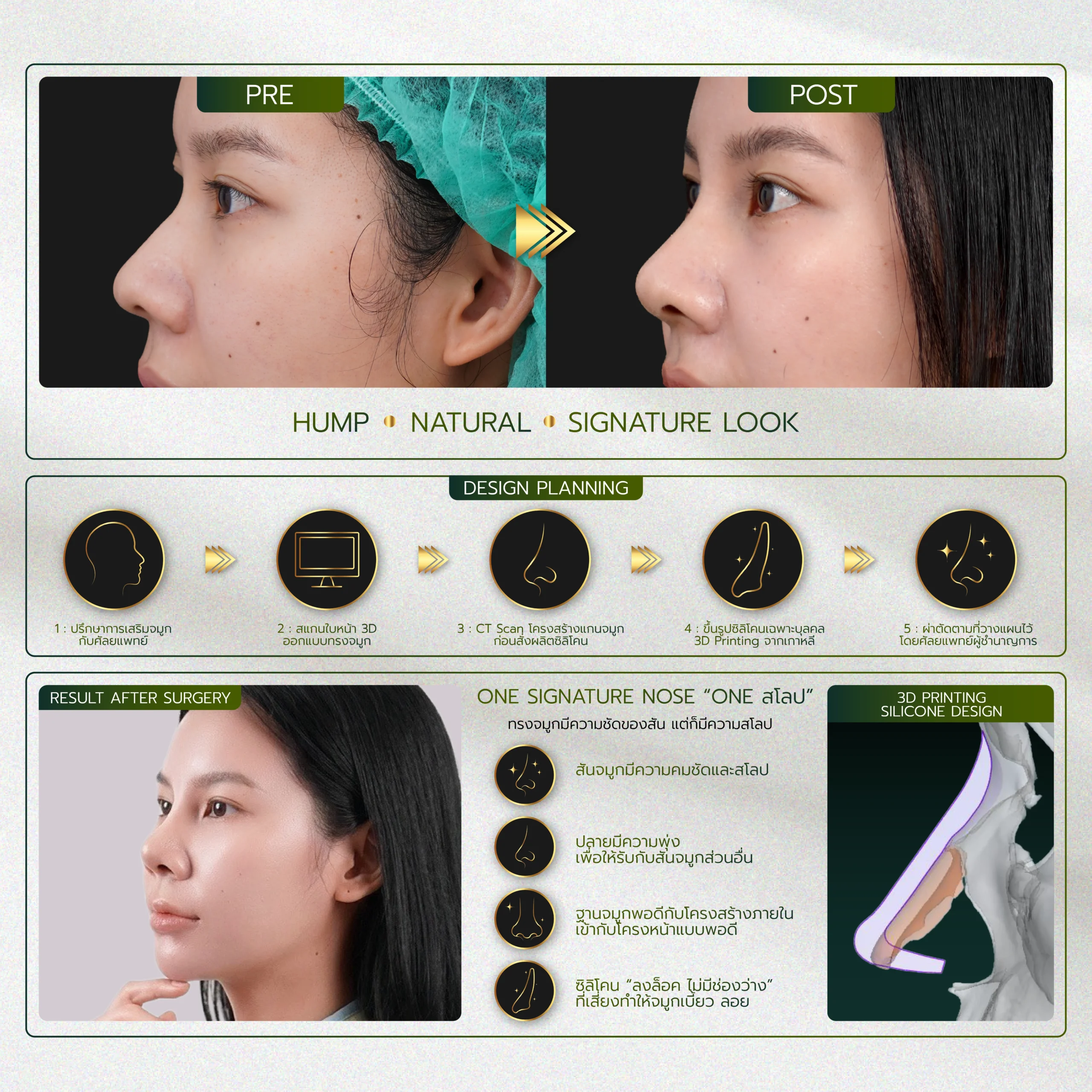
The signature nose shape at ONE Surgery & Aesthetics, “ONE Chongqing,” is inspired by refined Asian rhinoplasty aesthetics, focusing on dimension, softness, and a natural-looking result that does not look obviously done. Today’s beauty trend is no longer about an overly high or sharp nasal bridge. It is about smoothness, balance, and harmony with each person’s facial structure.
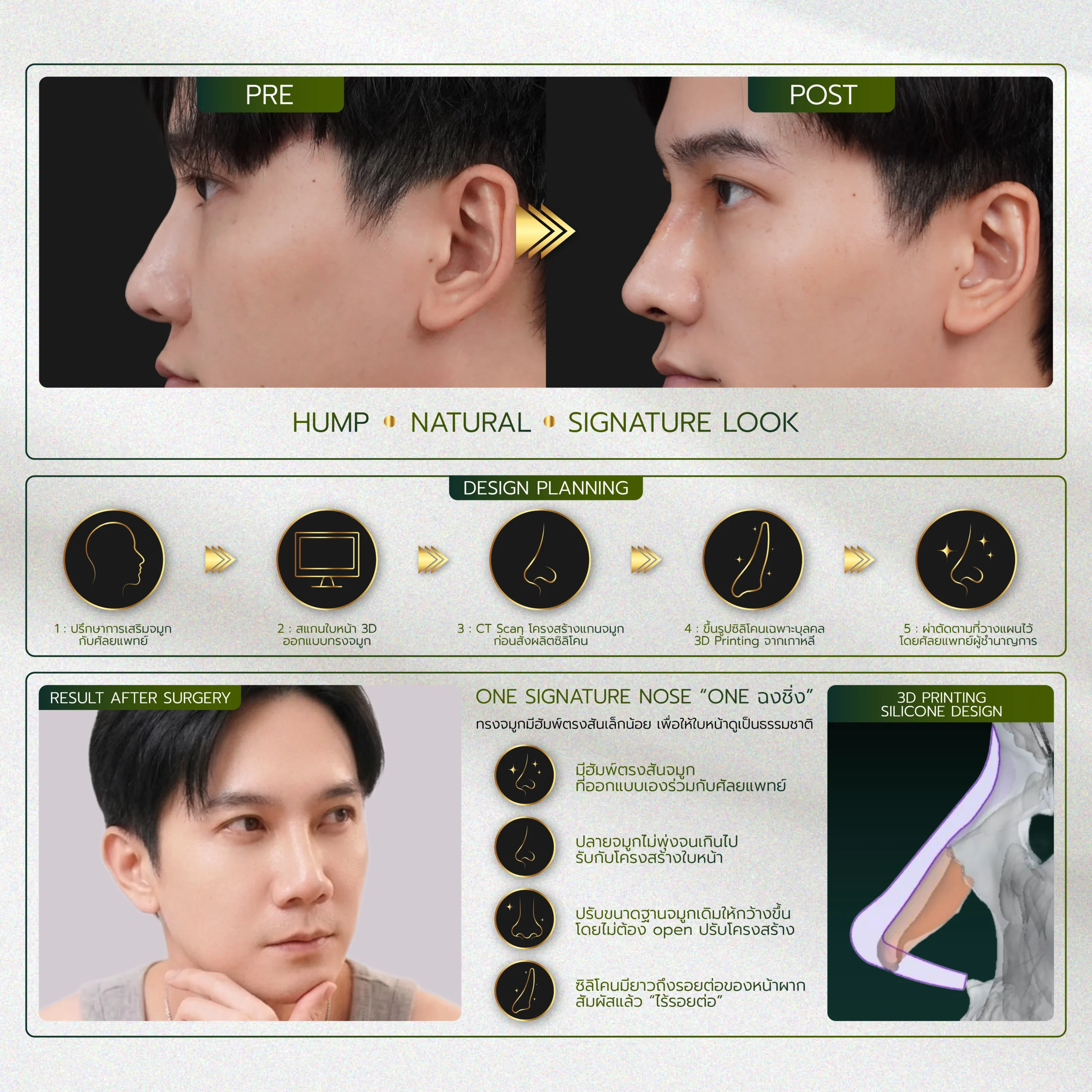
ONE Chongqing combines nasal design artistry with a natural hump along the bridge, inspired by real nasal bone structure. This helps add facial dimension while keeping the result refined and natural-looking.
Natural Signature Hump
The bridge has a subtle natural curve, making the nose look balanced and naturally suited to your face.
Slightly Projected Nasal Tip
The nasal tip has subtle projection and a soft teardrop shape, helping the nose look refined without appearing too sharp.
ONE Clinic : Surgery & Aesthetics
Looking good does not end when you leave the operating room. At ONE Surgery & Aesthetics, we focus on both the final result and patient comfort after surgery. That is why we provide the ONE Aftercare Program to help reduce swelling and bruising, supporting patients as they return to daily life with greater confidence.

Helps support hydration, circulation, and post-operative recovery as part of a supervised aftercare plan alongside standard medication and post-operative care.
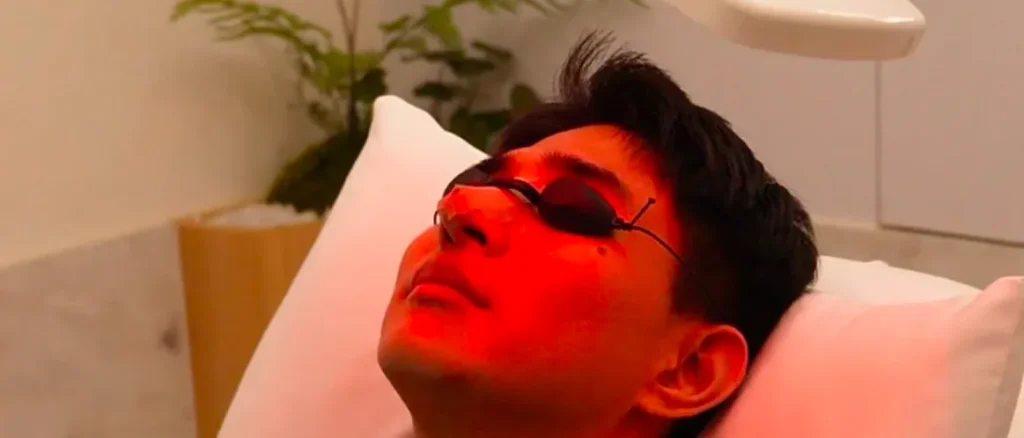
Helps stimulate skin cell activity and support tissue recovery, while helping reduce swelling and tightness around the surgical area after surgery.
Personalized 3D-Printed Silicone Rhinoplasty
TRANSFORMATION SEQUENCE
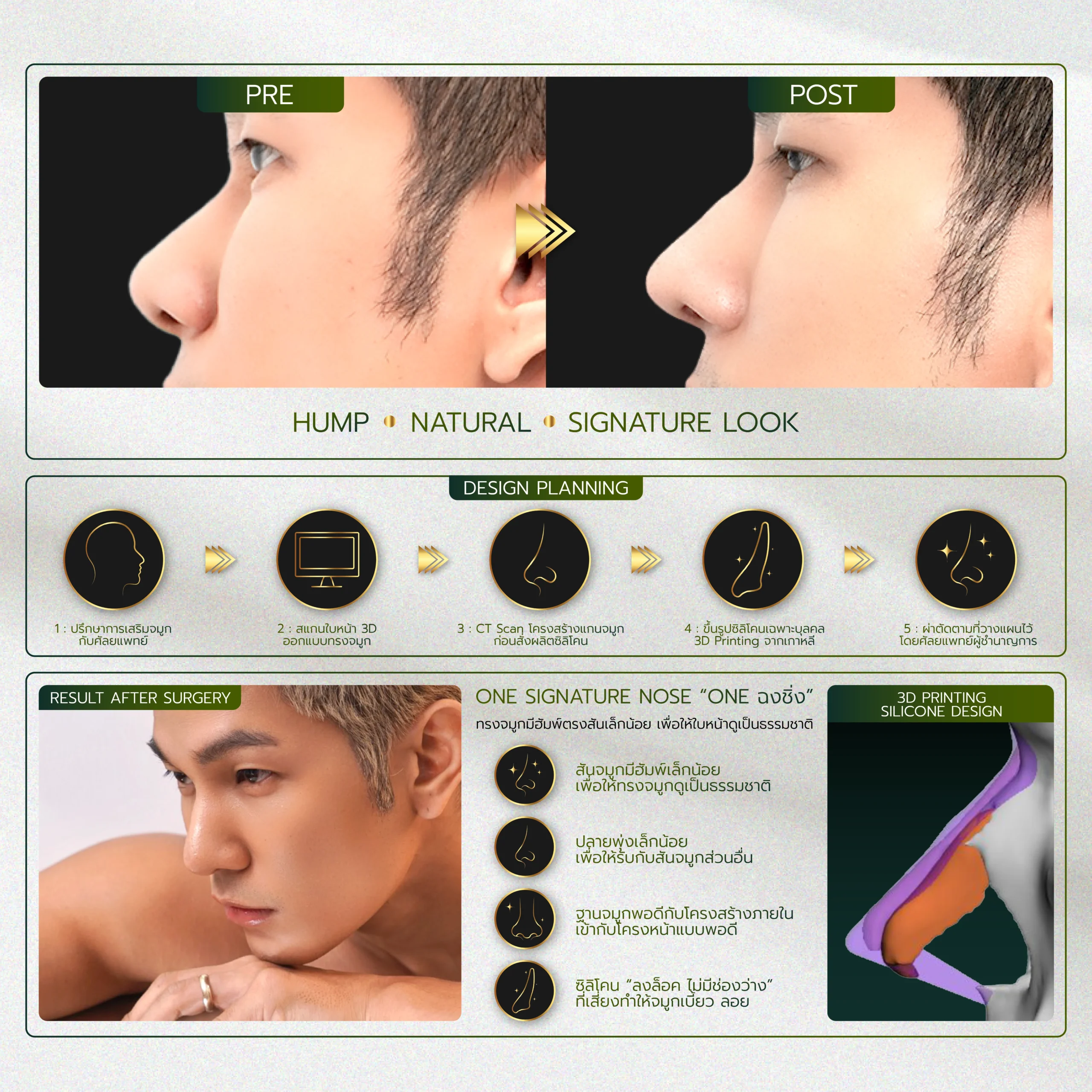
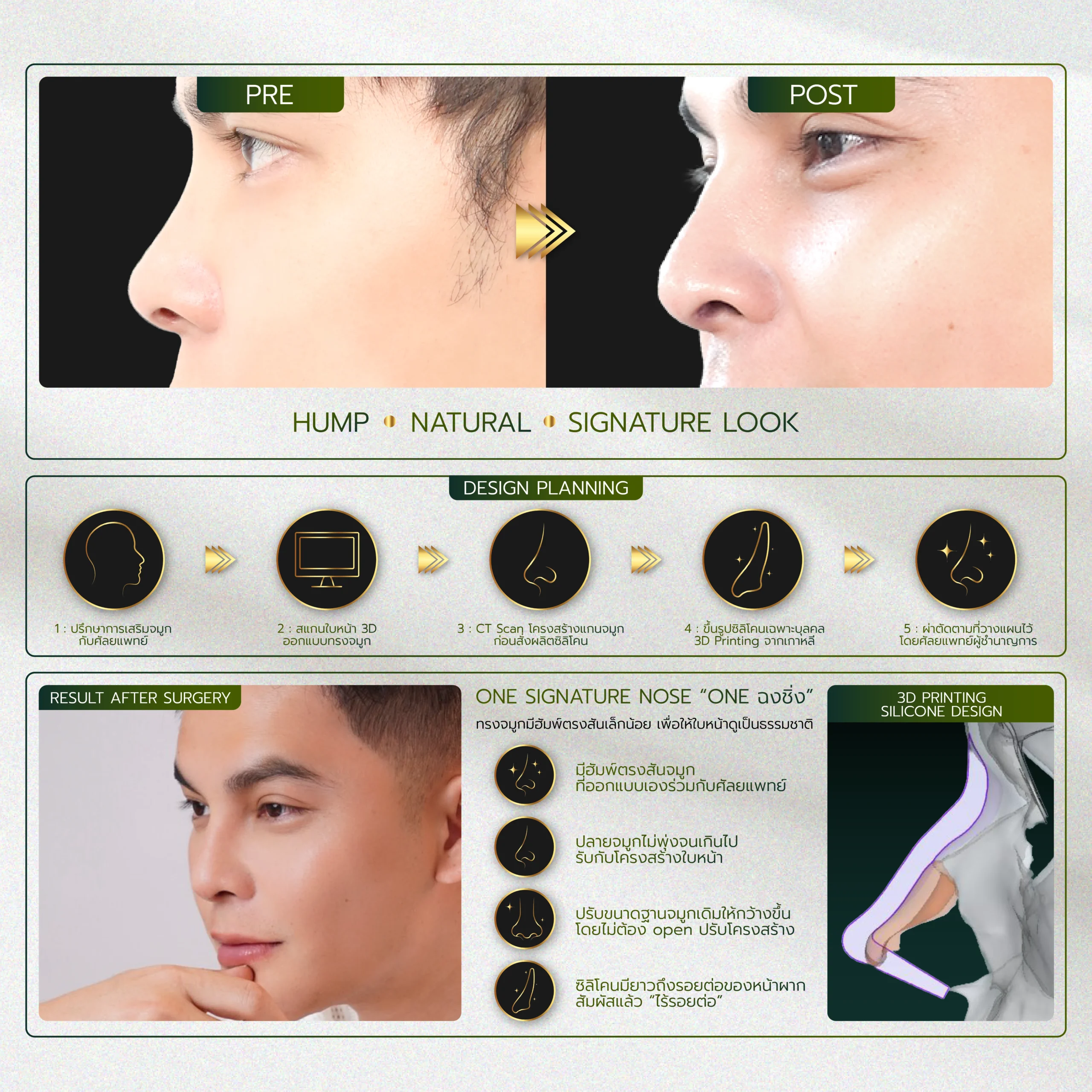
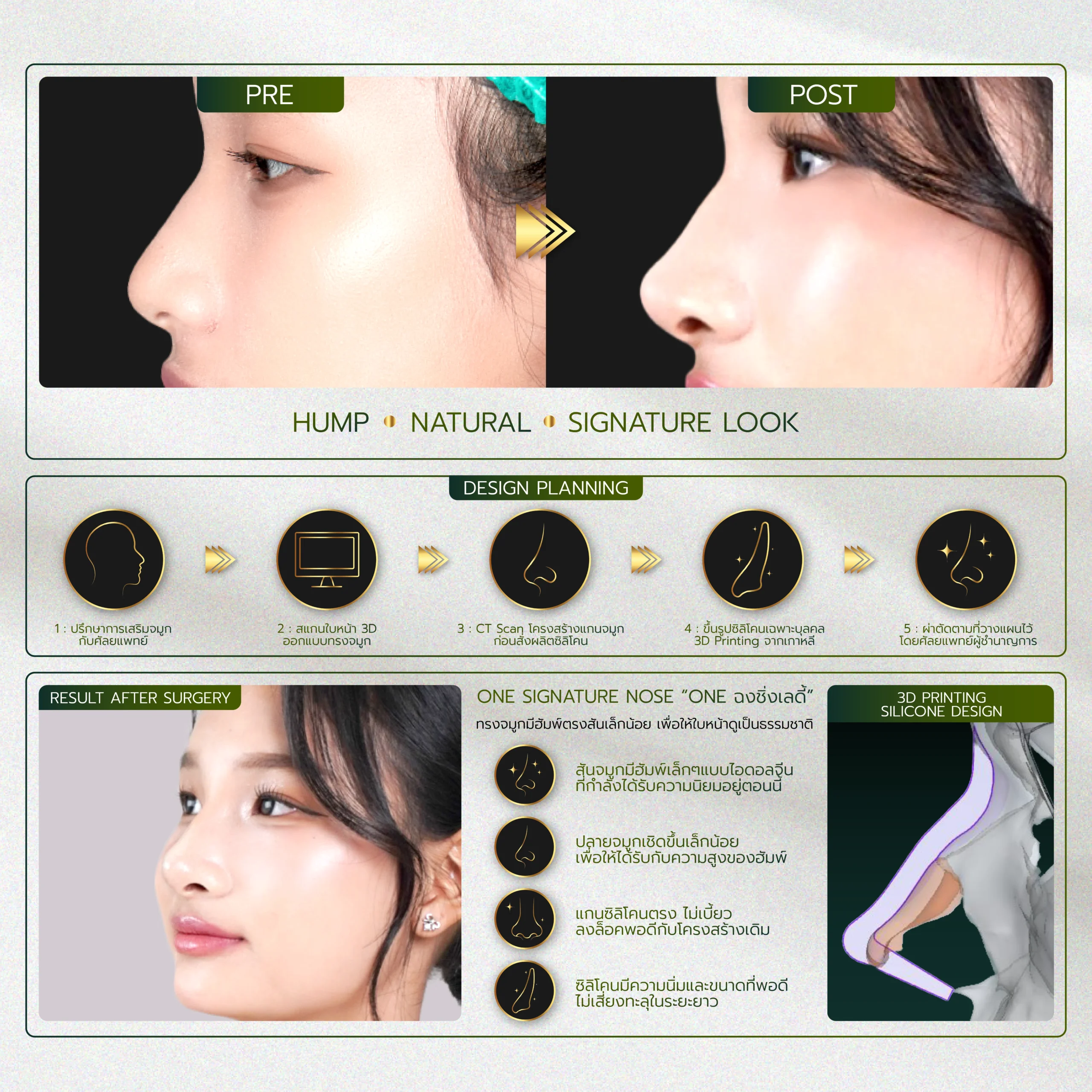
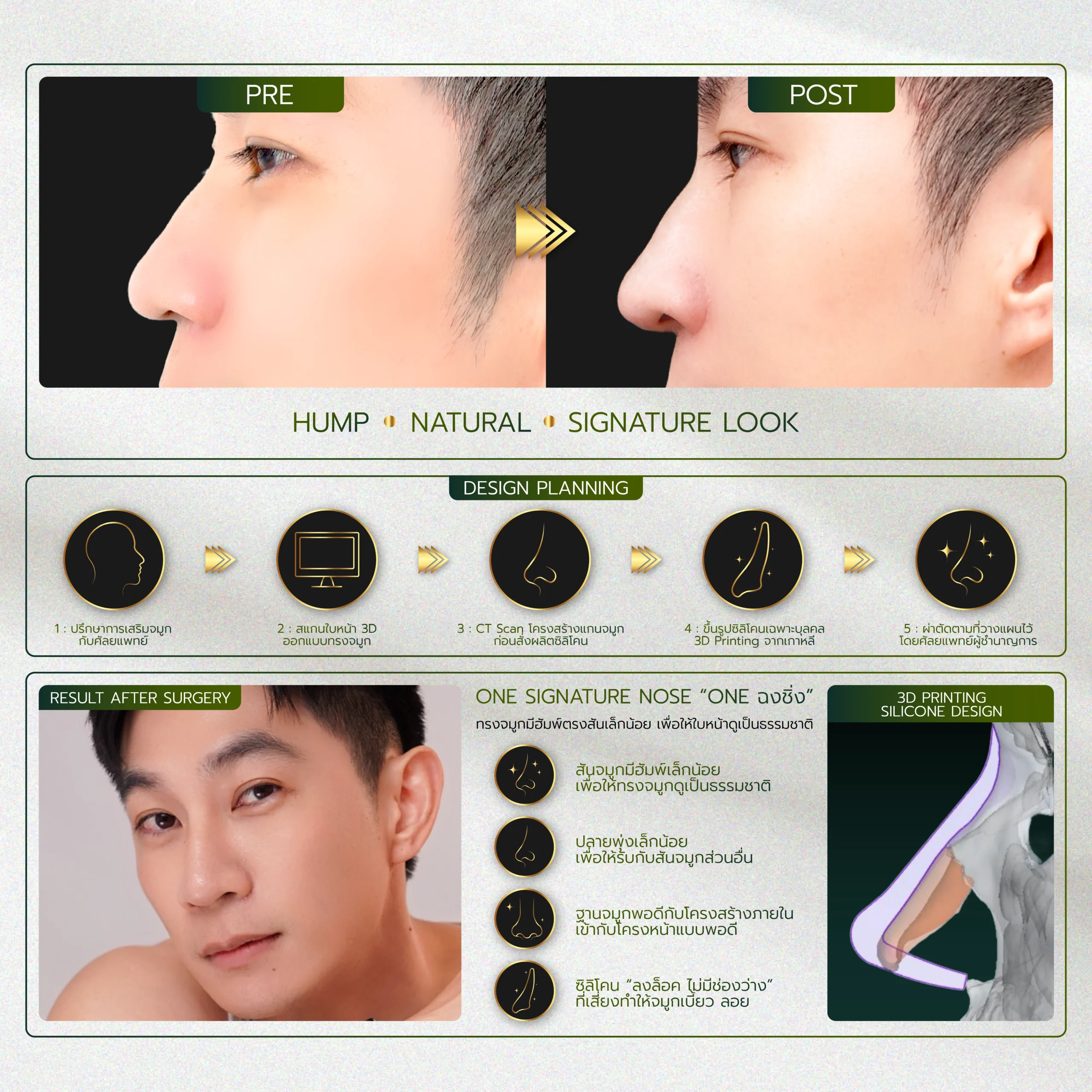
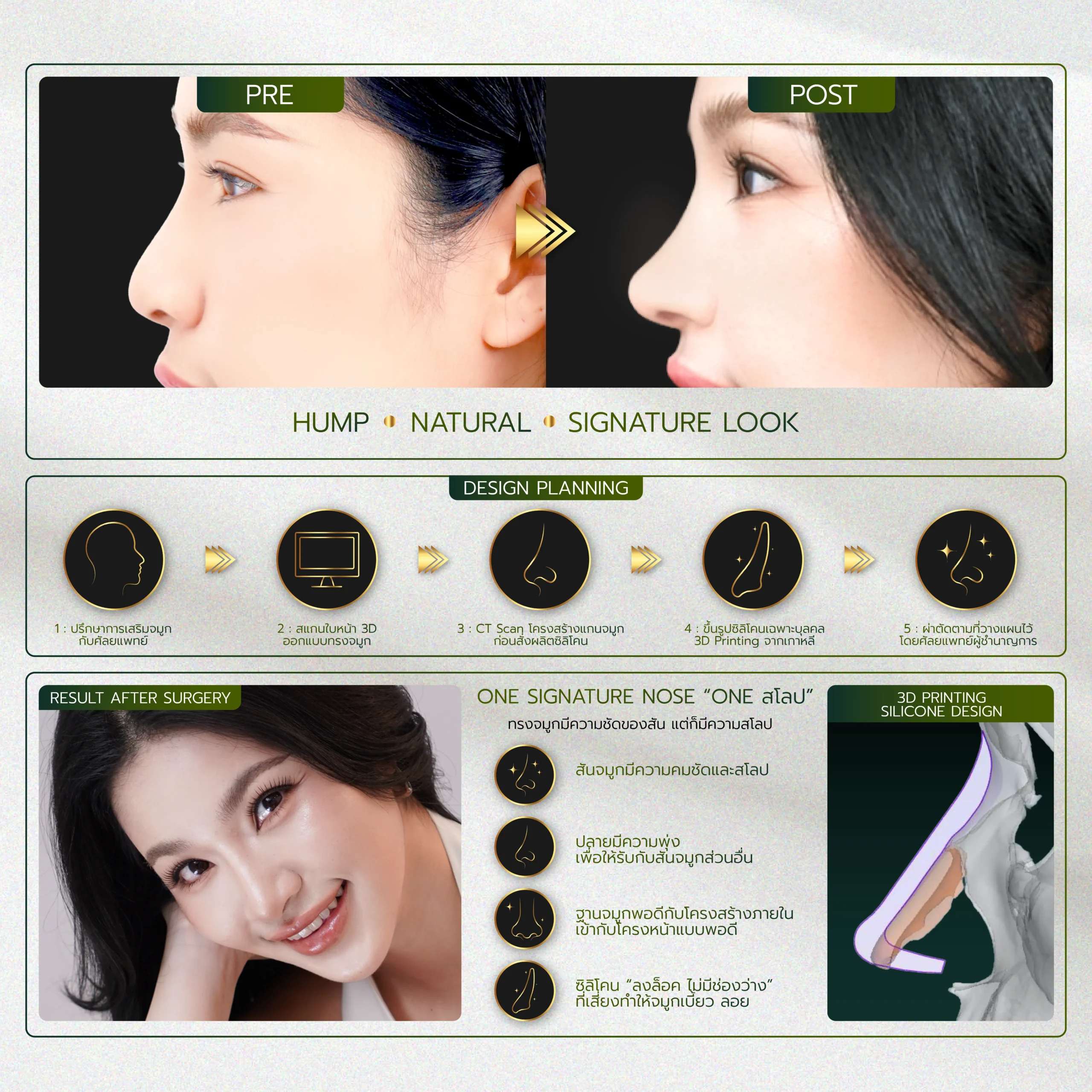
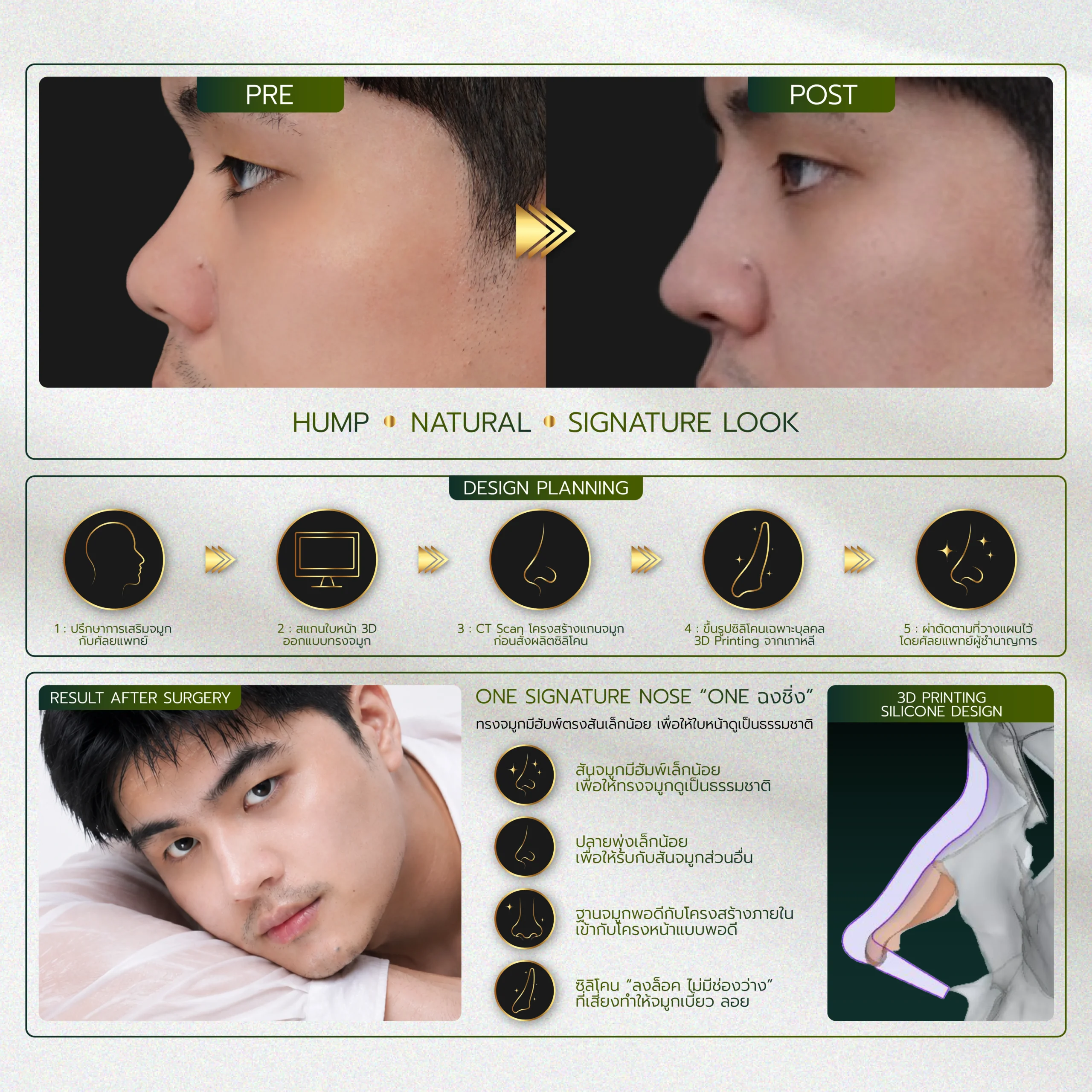
Designed exclusively for your facial structure.
A new silicone implant is fabricated case by case.
Designed only for you. Each silicone implant is newly produced case by case.
ONE Clinic : Surgery & aesthetics
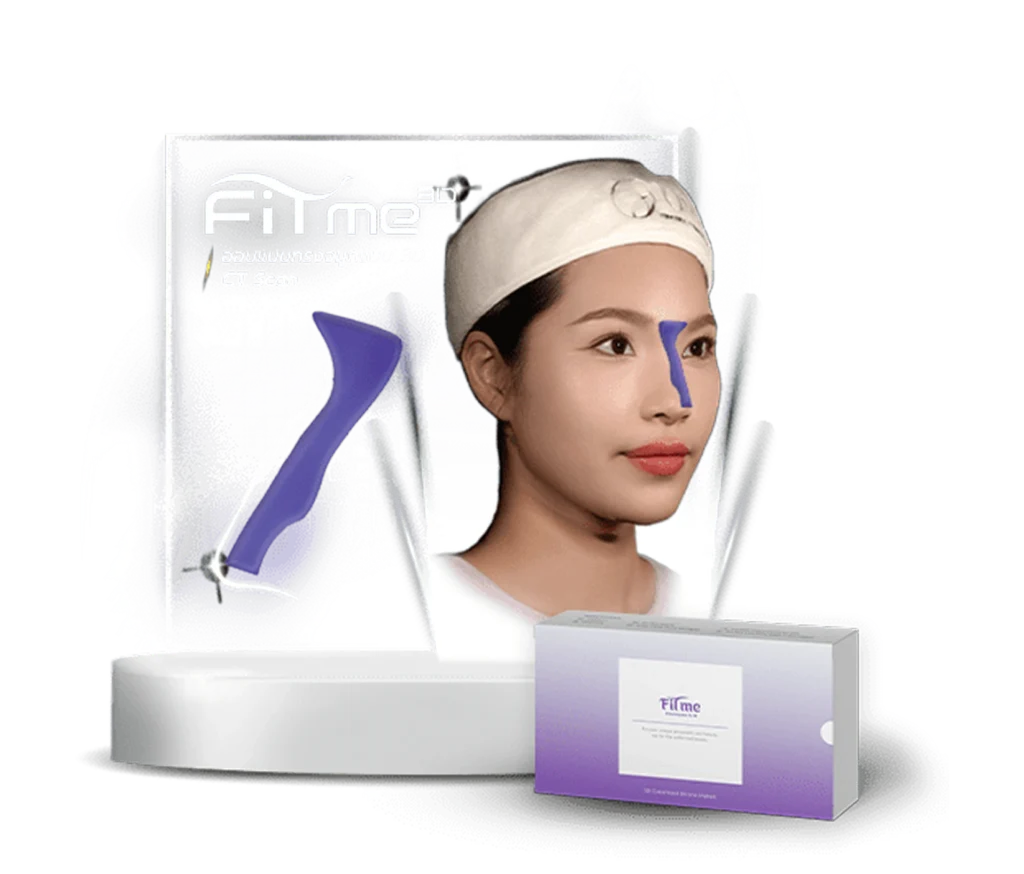
3D-printed silicone rhinoplasty combines 3D Design and CT Scan data to create a personalized silicone implant before surgery.
03 — Innovation
In the past, surgeons had to manually carve silicone implants during surgery, which could make the final nose shape differ from the planned design. Today, custom 3D-printed silicone helps create a more precise and personalized rhinoplasty result.
The implant is custom-made to fit the nasal bone structure more closely, helping reduce gaps, poor fit, implant deviation, or floating.
Each implant is designed specifically for your nasal bridge, helping create better stability and a nose shape that harmonizes with your facial profile.
Because the implant is pre-designed, surgeons do not need to repeatedly remove and carve it during surgery. This may reduce tissue trauma and support a smoother recovery.
With a custom-fit implant, many cases may be performed using Closed or Semi-Open Rhinoplasty, helping reduce visible scarring and recovery time.
04 — Our Surgeons
Our surgical team specializes in rhinoplasty planning, facial structure analysis, and Asian nose aesthetics, combining medical precision with natural-looking design.
ONE Clinic : Surgery & aesthetics
Rhinoplasty at ONE Surgery & Aesthetics is never one-size-fits-all. Each patient has unique facial proportions, nasal bone structure, tissue thickness, and personal concerns.
Our surgeons analyze nasal anatomy carefully and personalize each surgical plan to support both natural-looking beauty and long-term nasal balance.
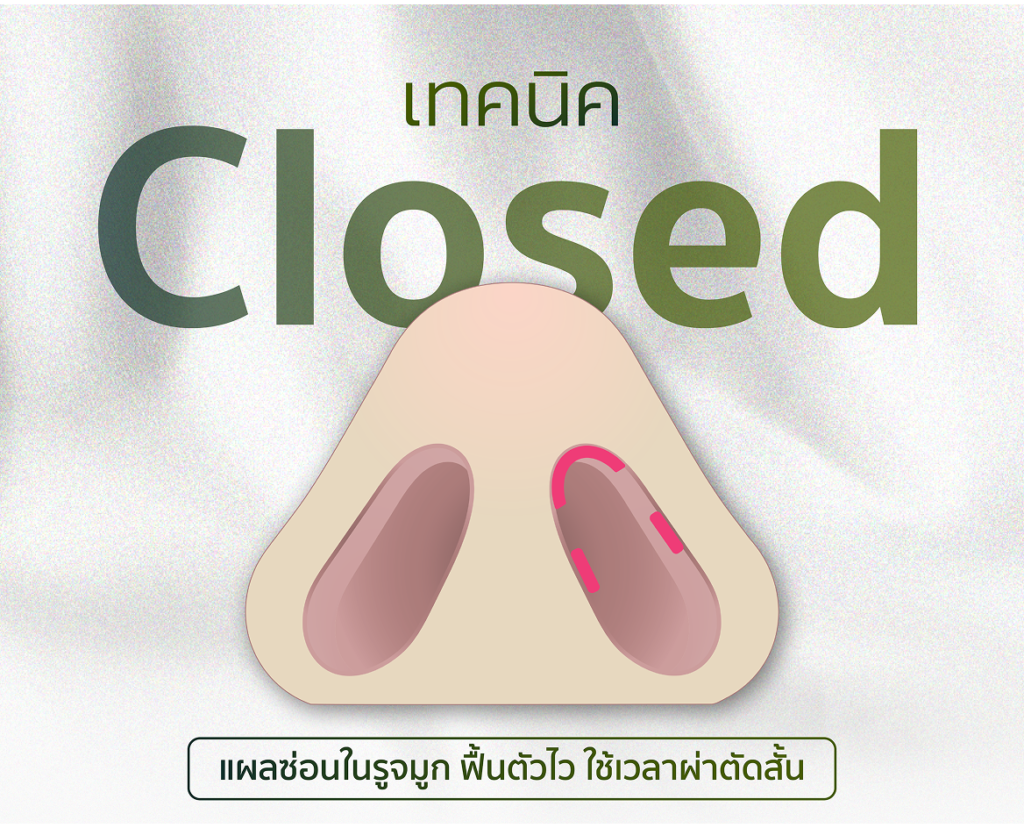
Closed rhinoplasty is performed through a small incision inside one nostril. The silicone implant is then placed on top of the existing nasal bone base.
Suitable for:
Patients who already have a relatively good nasal base, sufficient nasal tissue, and want to increase bridge height or create a more defined nasal bridge.
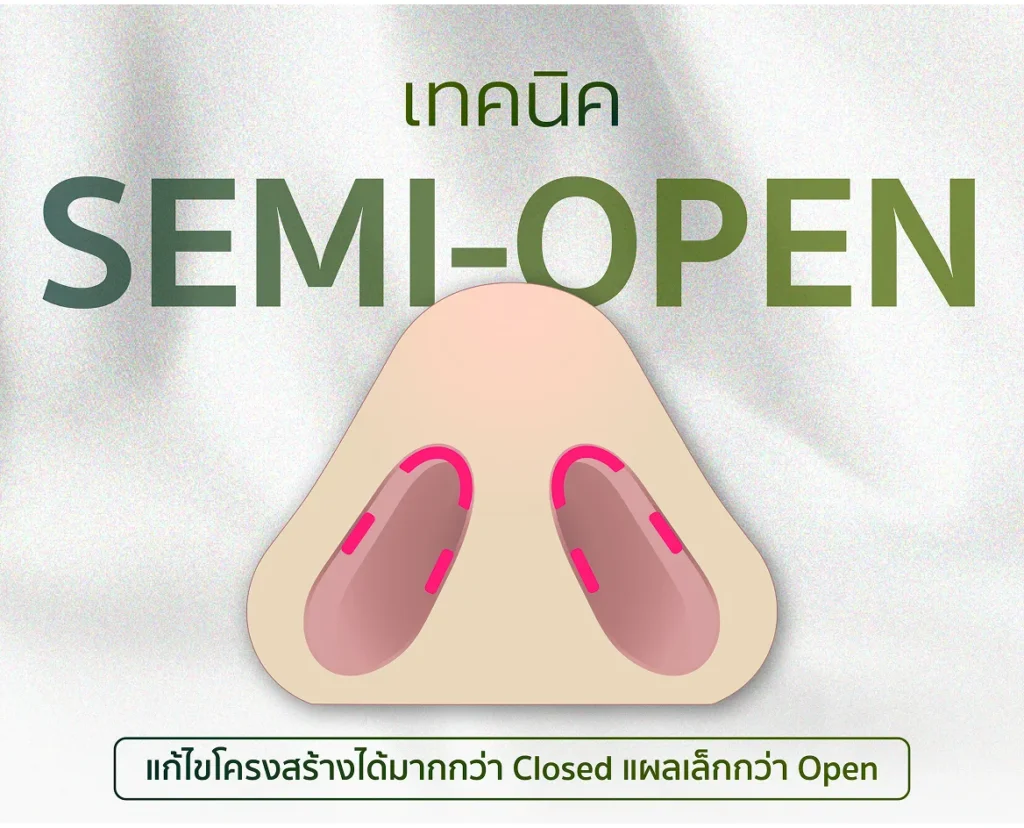
Semi-open rhinoplasty uses incisions inside both nostrils, allowing the surgeon to see the internal structure more clearly.
This technique is often performed with interdomal suturing to refine the nasal tip, and may include tip support using ear cartilage or artificial dermal tissue.
Suitable for:
Patients who want moderate nasal bridge height but have relatively thin nasal tip tissue. This technique may help extend and support the nasal tip more effectively than closed rhinoplasty.
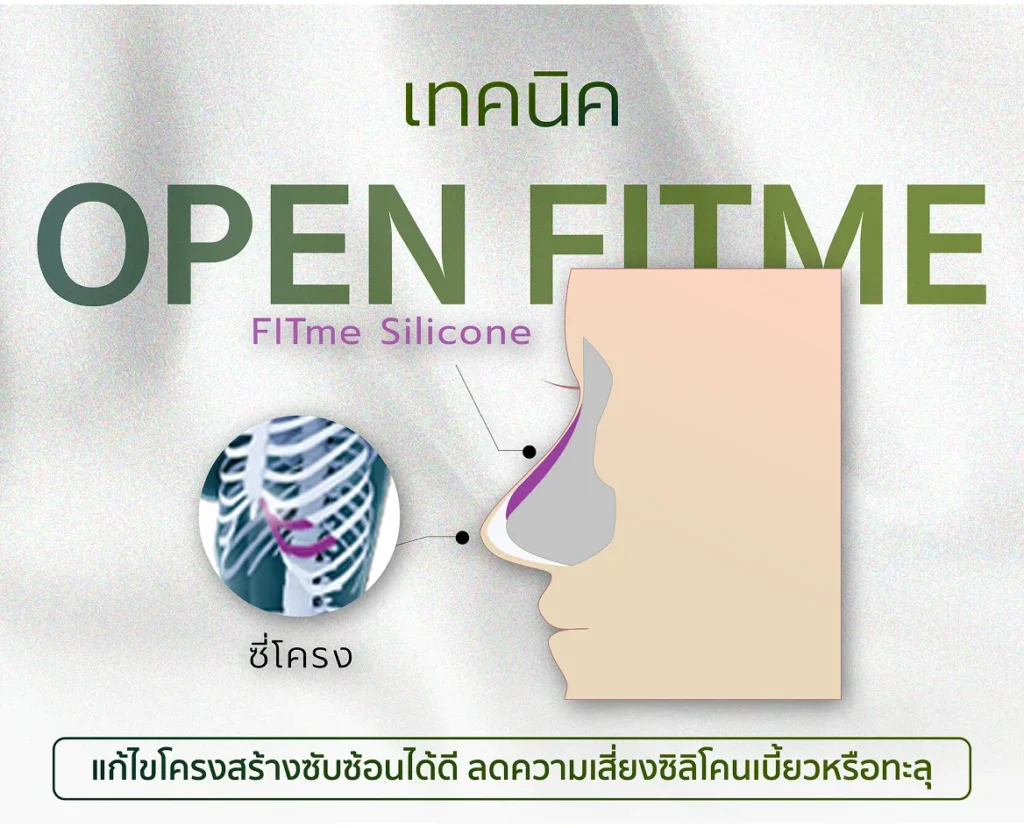
Open reconstruction rhinoplasty uses an incision at the base of the nose and opens the nasal structure more fully, allowing the surgeon to correct internal bone and cartilage in greater detail.
This technique often uses the patient’s own cartilage, such as septal cartilage or rib cartilage, to support and extend the nasal tip without placing silicone at the nasal tip.
Suitable for:
Patients who need structural correction, patients with a short nose, drooping nose, large dorsal hump, or complex revision cases from previous rhinoplasty.
Not every nose needs open reconstruction.
In selected rhinoplasty cases, concerns such as a crooked nose, deviated nasal bridge, or dorsal hump can be refined with
ONE’s custom 3D-printed silicone implant – designed to fit your nasal structure with greater precision.
ONE Clinic : Surgery & aesthetics
Choosing the right rhinoplasty material is one of the key factors that determines both beauty and safety.
At ONE Surgery & Aesthetics, we select leading medical-grade materials that meet medical standards. The surgeon will recommend the material that best suits the patient’s nasal tissue, structure, and surgical plan.
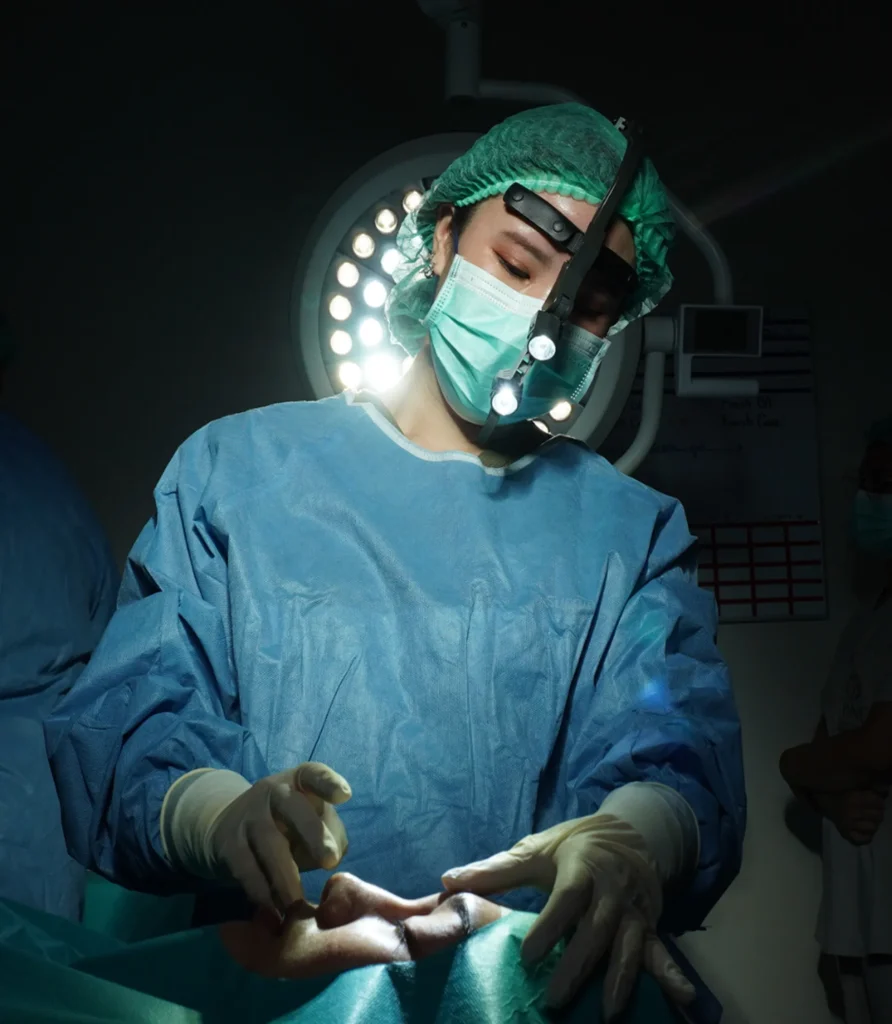
Personalized Silicone Implant Technology
In some cases, rhinoplasty is not simply about placing a silicone implant. The nose also includes the nasal tip, nostrils, and alar base, which all affect the overall facial balance.
At ONE Surgery & Aesthetics, our surgeons carefully assess these details and may recommend additional procedures to refine the nasal shape and create a result that harmonizes more naturally with your face.
ONE Clinic : Surgery & aesthetics
At ONE Surgery & Aesthetics, our rhinoplasty surgeons combine advanced surgical training with in-depth facial anatomy analysis, nasal structure assessment, and Asian nose design expertise.
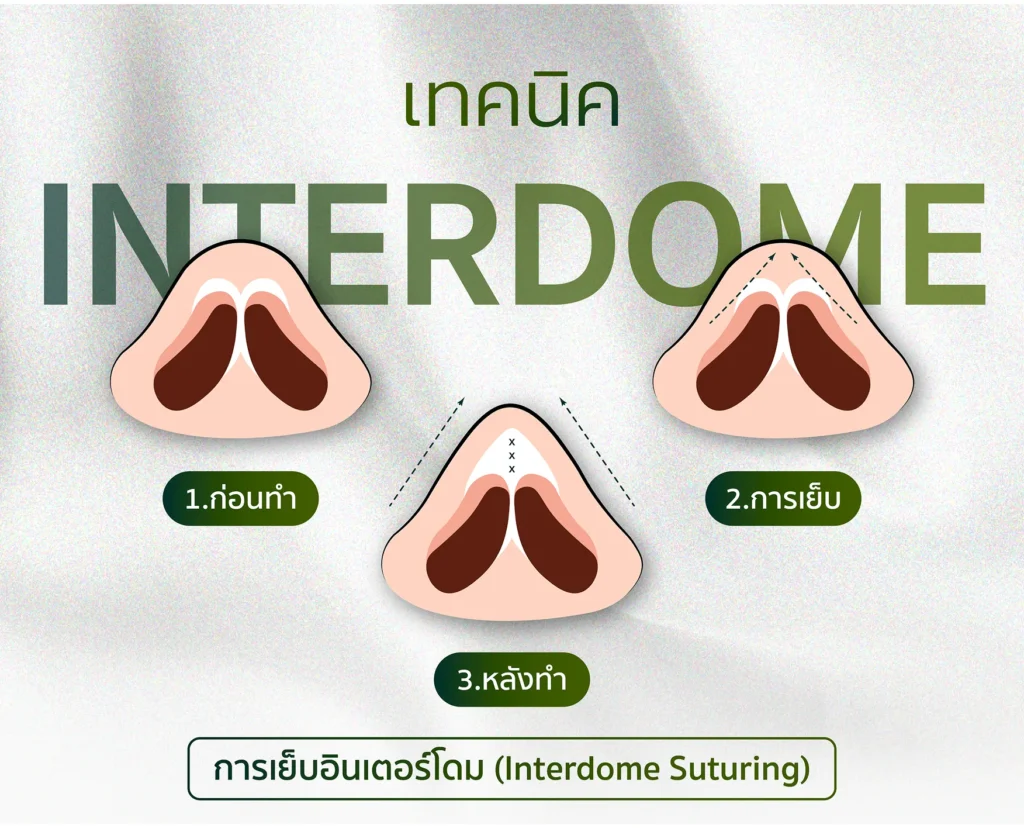
Interdomal suturing is a technique that brings the nasal tip cartilages closer together. It helps refine the nasal tip, support the internal nasal structure, and create a slimmer, slightly lifted tip without forcing the silicone implant downward.
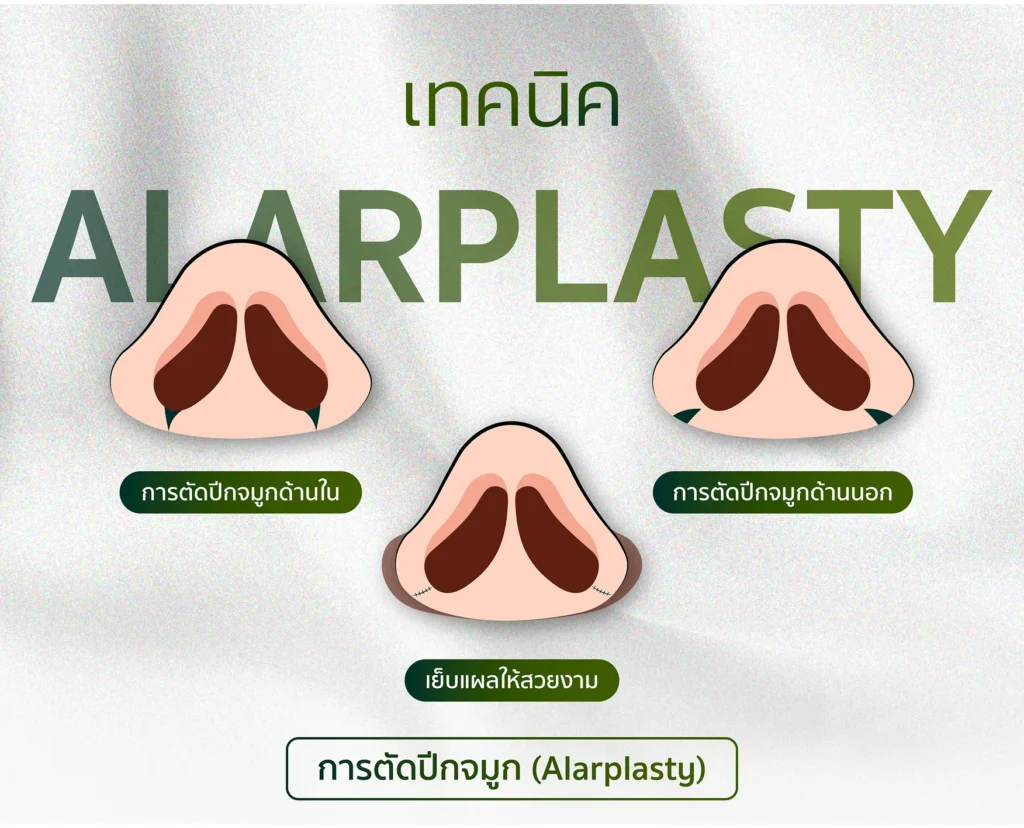
Alarplasty refines the nasal wings when the nostrils or alar base appear wide, thick, or flared. At ONE Surgery & Aesthetics, the incision is carefully placed along the natural alar crease to help the nose look slimmer and more balanced with the face.
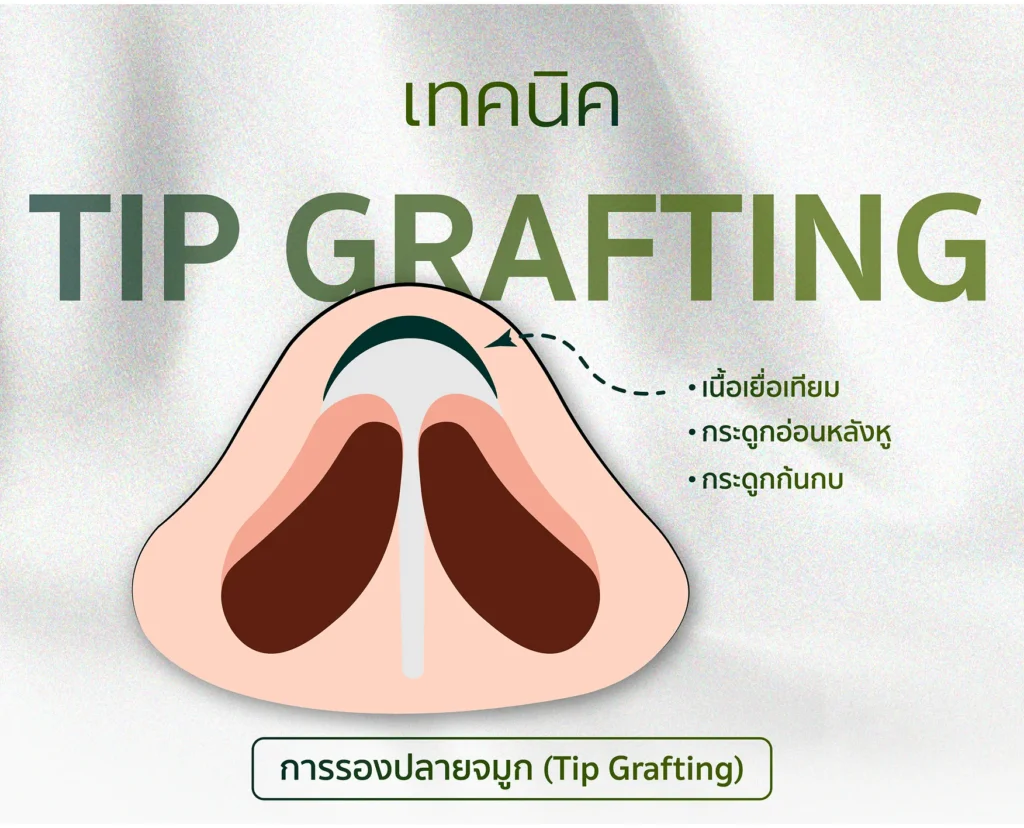
Tip grafting involves placing supportive graft material at the nasal tip before closing the incision. It helps reduce tension between the silicone implant and nasal tip tissue. Common materials include acellular dermal matrix, ear cartilage, or other suitable autologous cartilage, depending on the patient’s anatomy.
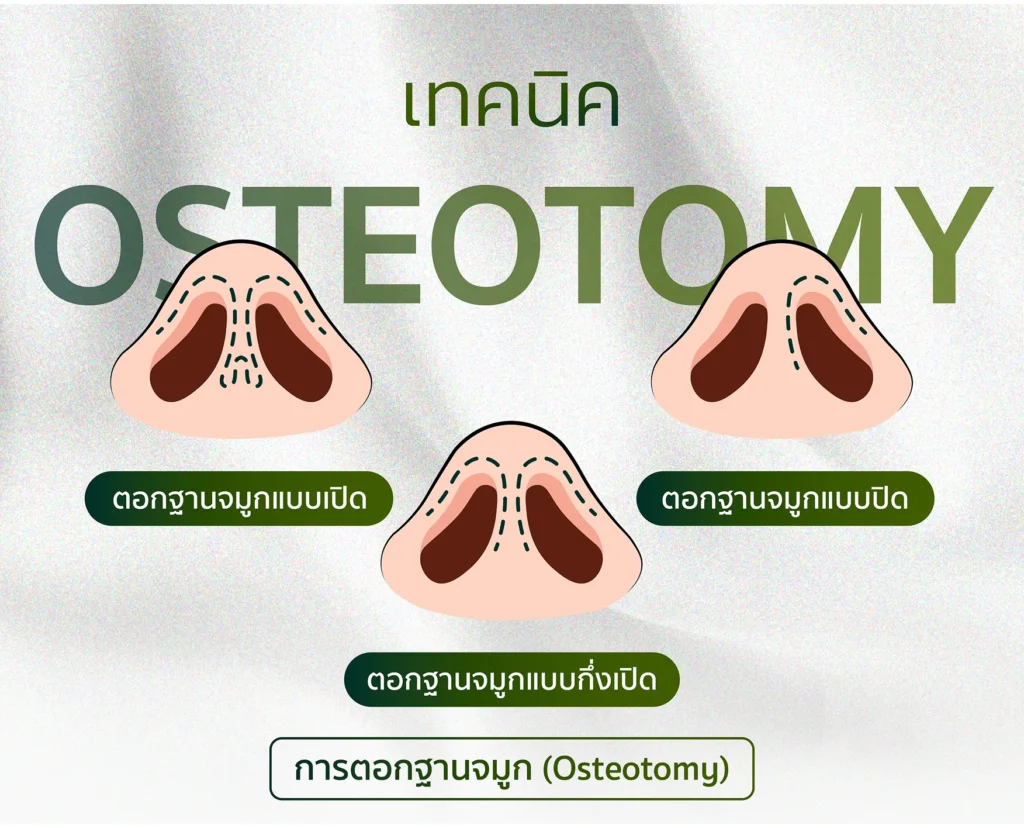
Osteotomy is a surgical technique used to carefully narrow the nasal bone base. It can help refine a wide nasal bridge and allow the implant to sit more closely against the nasal structure.
ONE Clinic : Surgery & Aesthetics
At ONE Surgery, patient safety is our highest priority. We invest in hospital-grade operating rooms and specialized surgical equipment.
POSITIVE PRESSURE OPERATING ROOM · ISO CLASS 7 CLEANROOM STANDARD
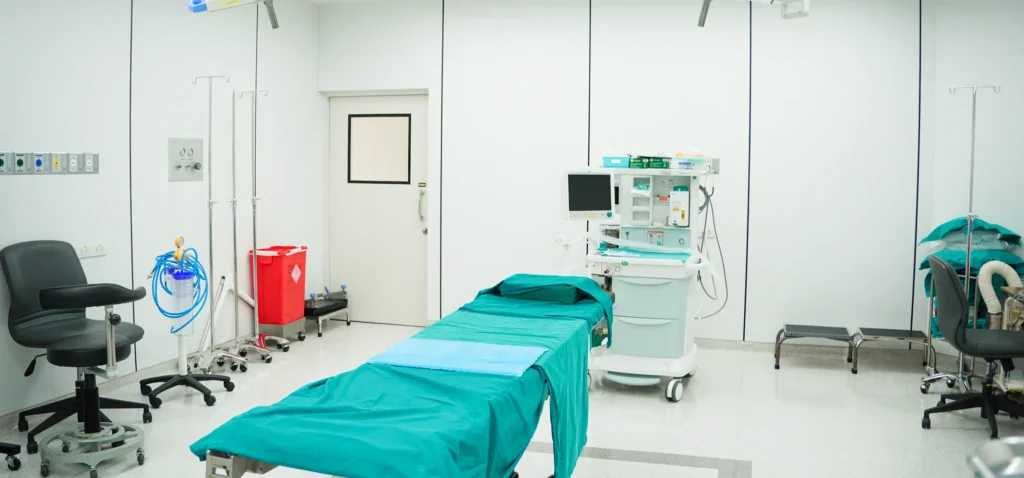
An ISO-standard air control system helps reduce contamination risk and maintain a clean surgical environment during surgery.
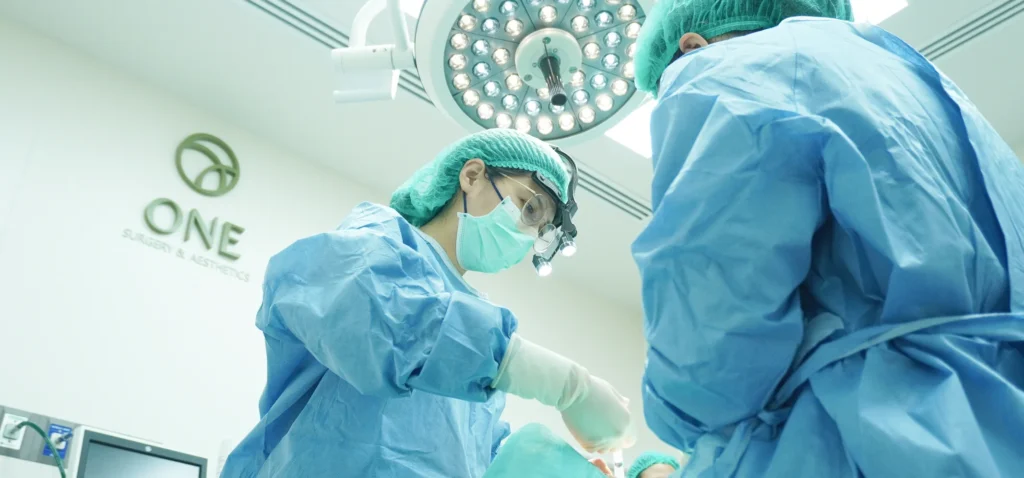
Vital signs are monitored throughout surgery under specialized anesthesiologist supervision.
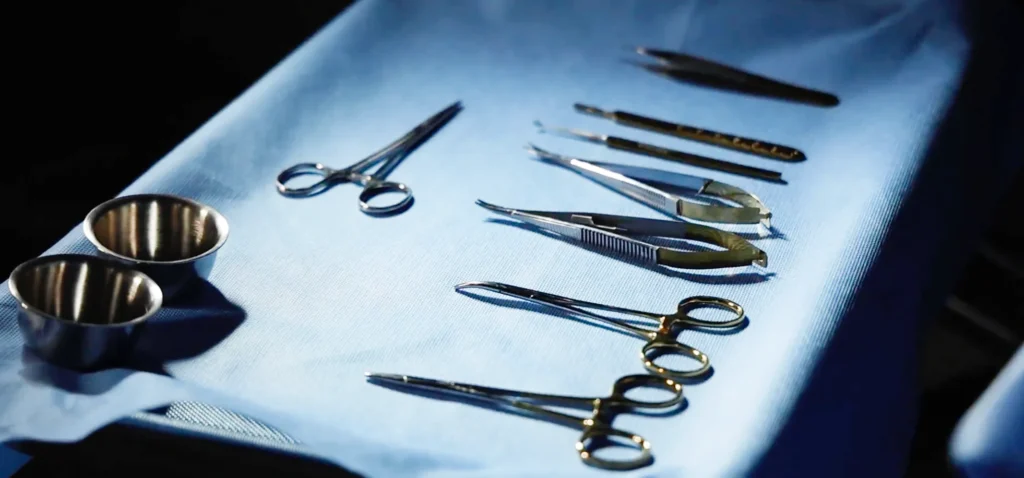
All surgical instruments undergo hospital-grade sterilization protocols before every procedure.
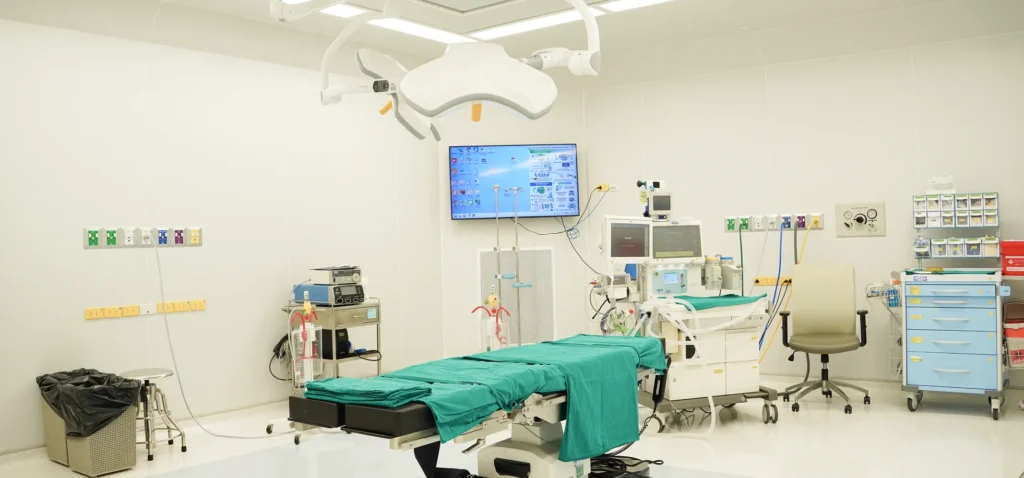
Our operating rooms are equipped with emergency medical equipment and supported by trained medical teams for immediate response when needed.
ONE Clinic : Surgery & Aesthetics
Customer Journey
From your first consultation to the day your custom nose implant is placed, every step is planned to help you feel confident throughout the process.
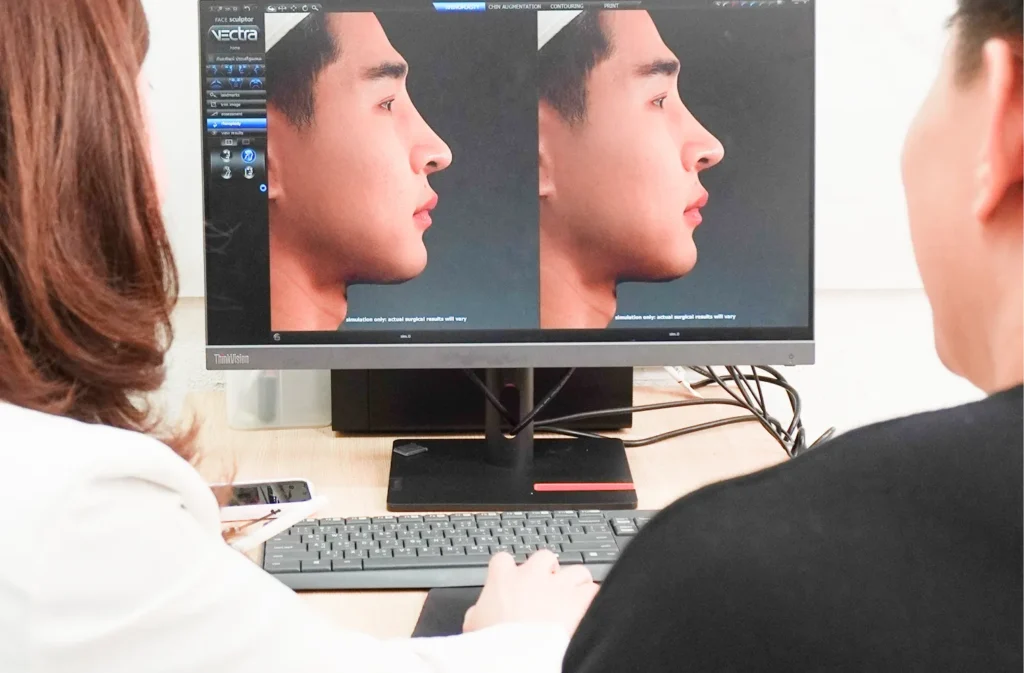
Co-design your nose shape with your surgeon using real-time Vectra 3D imaging until you feel confident with the planned result.
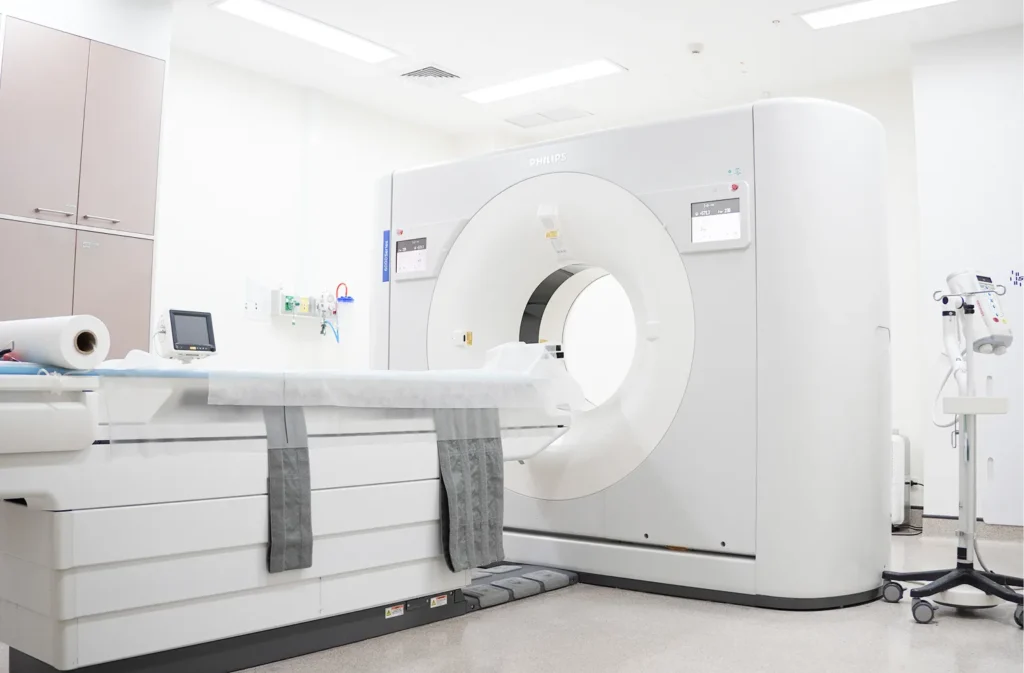
A precision-grade CT scan analyzes your nasal structure to provide data for custom silicone implant production.
Your nose design and CT scan data are sent to Korea to produce your custom silicone implant.
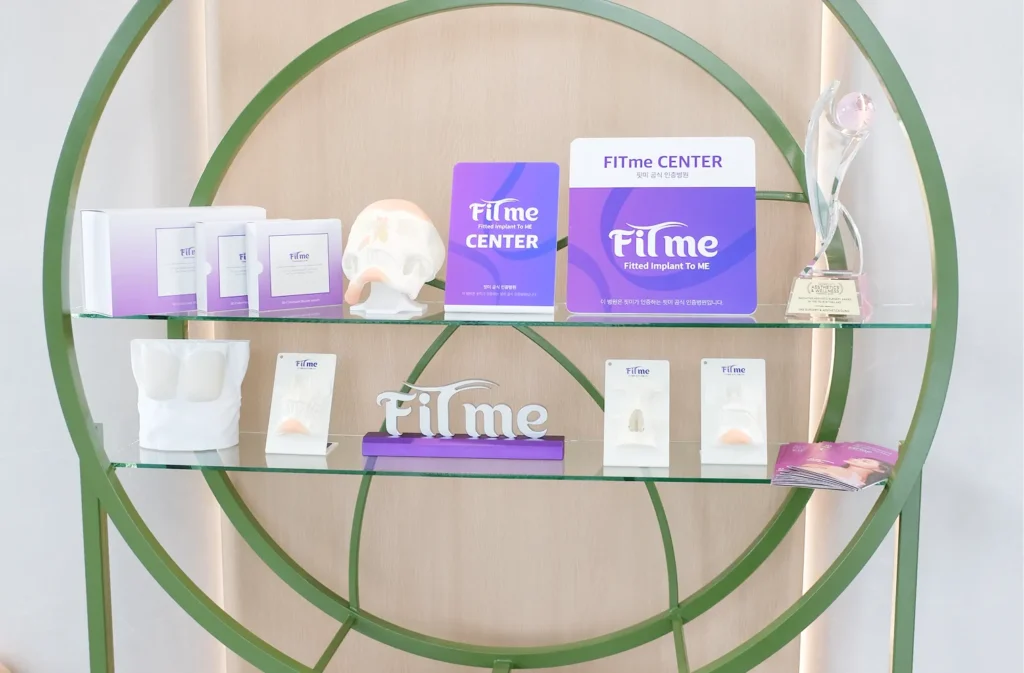
The silicone implant is delivered directly to ONE Surgery with quality certification documents.
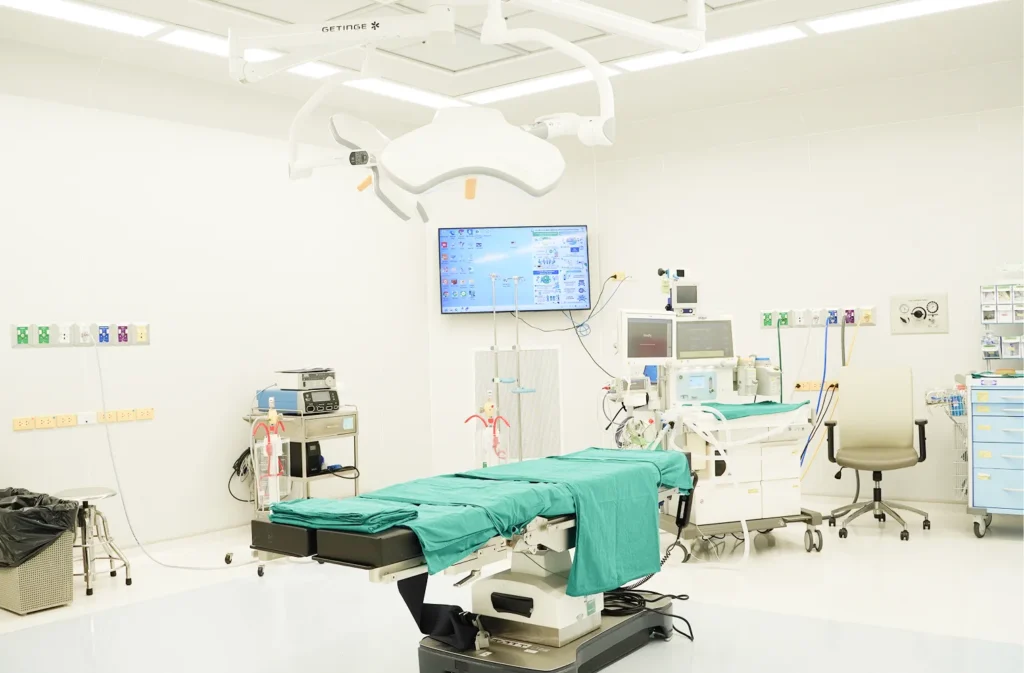
Surgery is performed in an operating room following Ministry of Public Health standards.
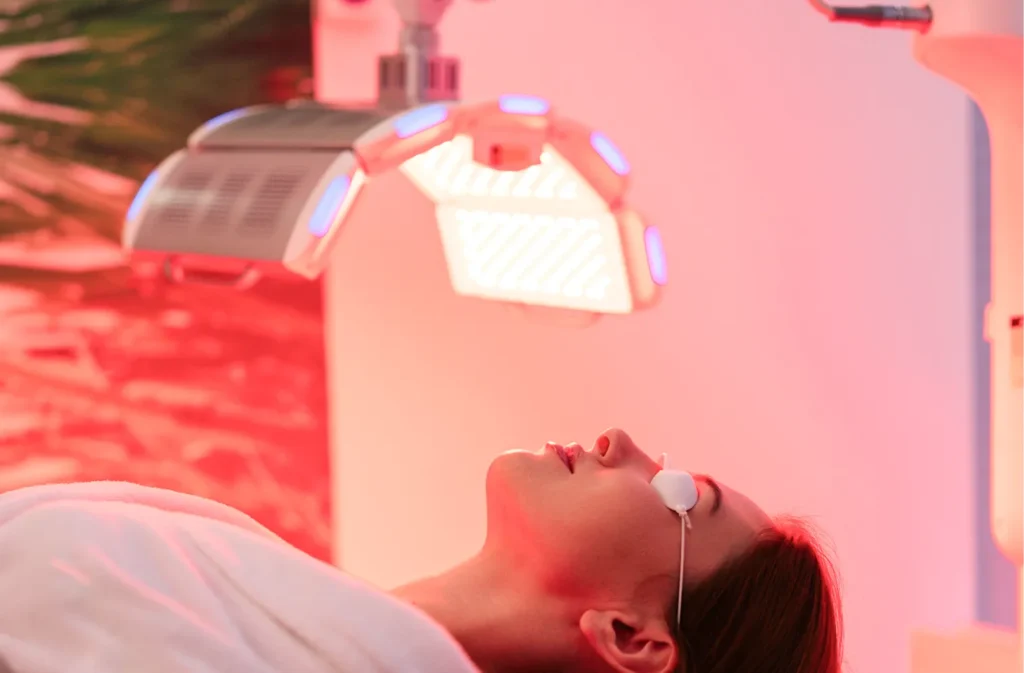
Post-operative care is provided by our nursing team, with follow-up guidance, IV drip, and LED light therapy support.
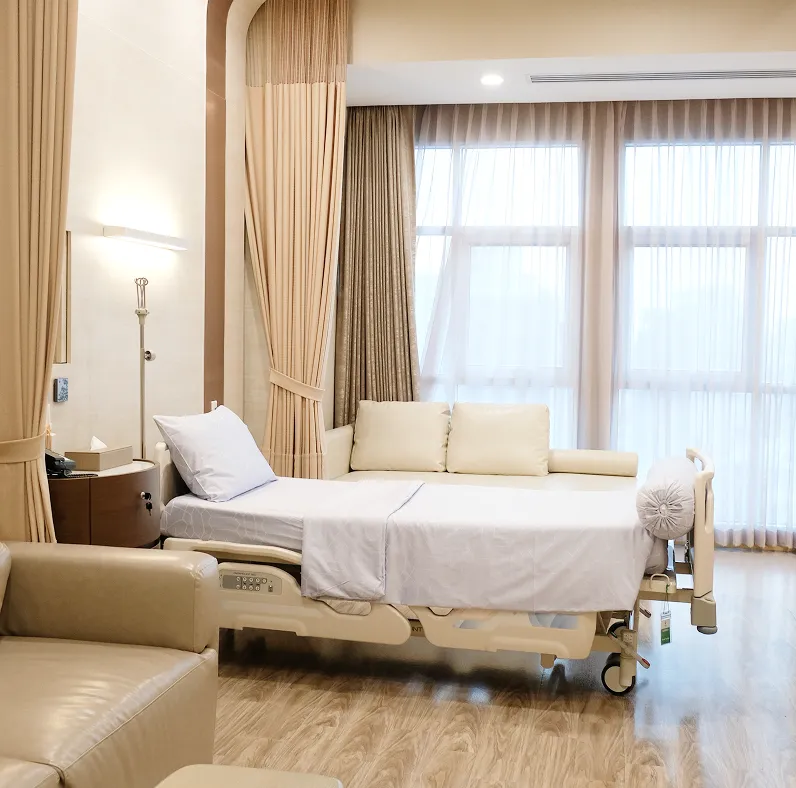
Private Recovery Room
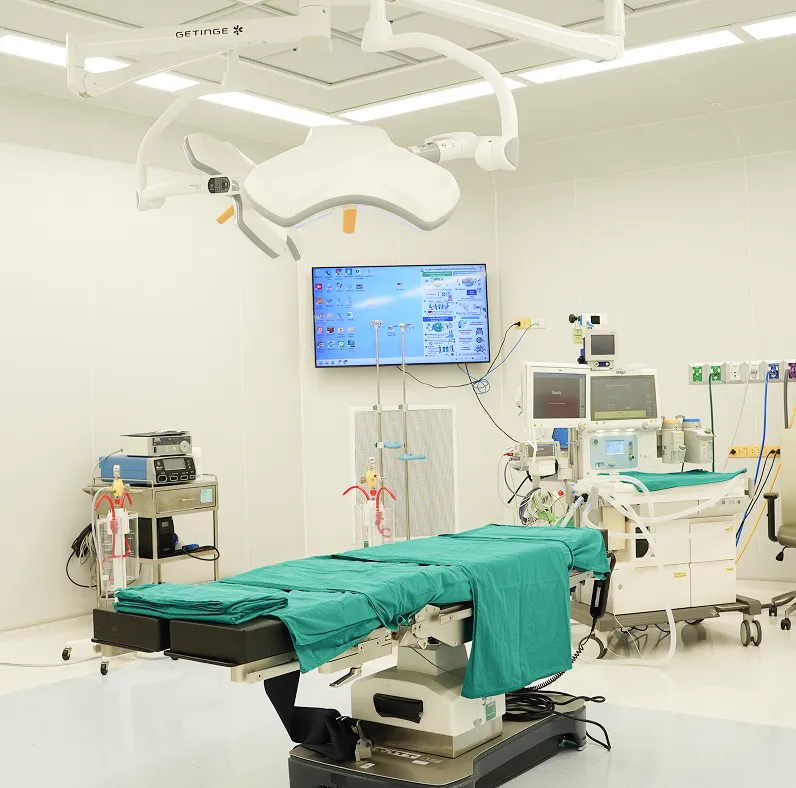
MOPH-Standard Operating Room
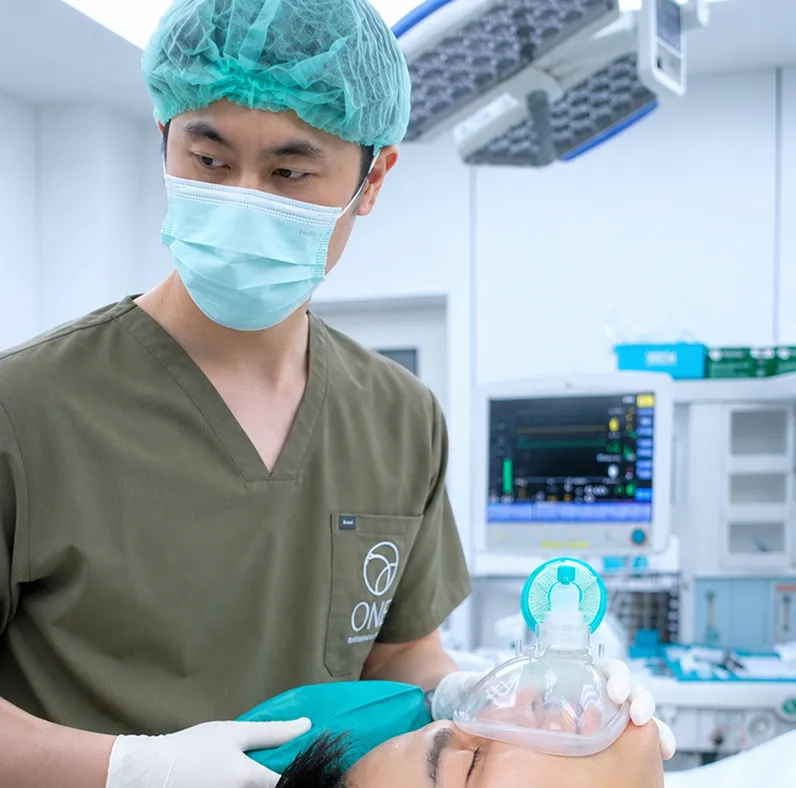
Anesthesia Care by an Anesthesiologist
10 — Q & A
A: 3D printed silicone rhinoplasty, more accurately described as 3D-designed custom silicone rhinoplasty, is a nose enhancement procedure that uses a patient-specific silicone nasal implant planned through 3D imaging and digital design. Instead of relying on a generic, off-the-shelf silicone implant, the implant is customized around your nasal structure, facial proportions, bridge height, and desired profile before surgery.
At ONE Surgery & Aesthetics Clinic, 3D planning helps your plastic surgeon design a silicone implant that is intended to fit your anatomy more precisely. The implant is then manufactured from medical-grade silicone and placed through either an open or closed rhinoplasty approach, depending on your nasal structure, skin condition, and surgical plan.
A: The main difference is how the implant is planned and prepared. A standard silicone nose implant is a pre-made shape that the surgeon trims and adjusts by hand during surgery. A 3D-designed custom silicone implant is planned digitally before surgery using your individual nasal measurements and facial proportions.
This helps the surgeon prepare an implant that sits more closely along your nasal bridge and supports a smoother, more balanced contour. It may also reduce the amount of manual carving needed during surgery and help improve placement accuracy. However, the final result still depends on proper patient assessment, surgical technique, tissue condition, healing response, and aftercare.
A: Medical-grade silicone has been widely used in nose augmentation for many years, especially in Asian rhinoplasty. A customized silicone implant is designed to fit your anatomy more closely, which may help support better stability, smoother contours, and a more natural-looking result when properly planned and placed.
That said, no surgery is completely risk-free. Safety depends on careful patient selection, sterile surgical standards, accurate implant design, skilled placement, and proper aftercare. At ONE Surgery & Aesthetics Clinic, every rhinoplasty case is assessed one-on-one by a licensed plastic surgeon, who reviews your nasal structure, skin thickness, medical history, and aesthetic goals before recommending a safe and suitable treatment plan.
A: Your implant is designed around your nose, not the other way around. The process begins with consultation and imaging, which may include a digital scan, CT-based model, or 3D planning system. Your surgeon evaluates your nasal bridge, nasal bone, skin thickness, facial proportions, and desired outcome before planning the implant’s height, length, curve, and overall contour.
The purpose of this process is to create a custom silicone nose implant that fits your anatomy more closely and supports a result that looks balanced with your face. You will also be able to understand the surgical plan more clearly before entering the operating room.
A: Many healthy adults who want a higher bridge, a more refined profile, or better facial balance may be suitable candidates for 3D custom silicone rhinoplasty. This approach may be especially helpful for patients who want a more personalized implant design instead of a standard pre-made silicone shape.
Open rhinoplasty may be recommended when more detailed reshaping is needed, such as tip refinement, structural adjustment, asymmetry correction, or revision rhinoplasty. Your suitability depends on several factors, including your skin thickness, nasal structure, previous surgery history, breathing concerns, healing condition, and overall health. During consultation, your plastic surgeon will assess these factors carefully and advise whether this technique is appropriate for your goals.
A: Open rhinoplasty gives the surgeon a clearer view of the nasal structures, which can be helpful for precise reshaping, tip refinement, implant placement, and more complex nasal planning. The incision is a small cut across the columella, the narrow strip of skin between the nostrils. In most cases, this incision heals into a fine, discreet line over time.
The procedure usually takes around 1-2 hours for straightforward cases, although more complex cases or revision rhinoplasty may take longer. A closed rhinoplasty approach, with incisions hidden inside the nostrils, may be suitable for simpler cases. Your surgeon will recommend the most appropriate approach based on your nose, tissue condition, and surgical goals.
A: You should not feel surgical pain during the procedure. Rhinoplasty may be performed under local anesthesia with sedation or under general anesthesia, depending on the complexity of your case, your comfort level, and your surgeon’s safety assessment.
After surgery, most patients describe tightness, tenderness, pressure, or mild discomfort rather than severe pain. These symptoms are usually manageable with prescribed medication and proper aftercare. Your surgical team will explain what to expect and how to care for your nose during the early recovery period.
A: Initial recovery is usually manageable for most patients. Many patients can return to light daily activities within about 7 days, often after splint removal and the first follow-up appointment. Bruising and swelling usually improve gradually over 2-4 weeks, although the exact timeline varies from person to person.
Your nose will continue to refine over the following months as swelling settles and the tissues heal. The final nasal contour may take up to a year to fully develop, especially after open rhinoplasty or more detailed tip work.
A: A natural-looking result is one of the main goals of 3D custom silicone rhinoplasty. Because the implant is planned around your facial proportions, nasal structure, bridge line, and skin characteristics, the goal is to enhance your nose while keeping it balanced with the rest of your face.
At ONE Surgery & Aesthetics Clinic, your surgeon will discuss what is realistically achievable for your features. The aim is not to create the same nose for every patient, but to design a refined, proportionate result that still looks like you.
A: Silicone nasal implants are designed to be long-lasting. Medical-grade silicone does not naturally dissolve over time, so the result can remain stable for many years when the implant is properly selected, placed, and cared for.
However, your face, skin, and surrounding tissues can still change with aging, weight changes, trauma, or future preferences. In some cases, revision surgery may be needed if the implant shifts, the tissue changes, or the patient wants a different shape. If necessary, a silicone implant can be adjusted or removed, which gives patients an added level of flexibility.
A: As with any surgical procedure, possible risks include infection, bleeding, swelling, bruising, temporary discomfort, delayed healing, asymmetry, visible implant edges, implant movement, scarring, or dissatisfaction with the aesthetic result. These complications are uncommon when the procedure is carefully planned and performed with proper surgical technique, sterile standards, suitable implant selection, and appropriate aftercare.
At ONE Surgery & Aesthetics Clinic, patient safety is prioritized at every step. Your case will be personally assessed by a licensed plastic surgeon, including your facial structure, nasal tissue, skin thickness, medical history, and aesthetic goals. Before surgery, your surgeon will explain the potential risks, answer your questions, and create a tailored surgical plan to help reduce unnecessary complications and support a smoother recovery.
A: International patients should usually plan to stay in Thailand for around 5-7 days after open rhinoplasty. This allows time for early recovery, splint removal, suture check or removal if needed, and an initial follow-up with your surgeon before flying home.
This does not mean the nose is fully healed within 5-7 days. Swelling will continue to improve gradually over the following weeks and months. Our team can help coordinate your surgery schedule, recovery timeline, and follow-up appointment around your travel plans, so you can return home with clear aftercare instructions.
A: The cost of open rhinoplasty in Thailand depends on your individual case, including whether you need bridge augmentation only, tip refinement, structural correction, revision rhinoplasty, the type of implant, and the anesthesia plan.
ONE Surgery & Aesthetics Clinic offers rhinoplasty package options for international patients with clear pricing and aftercare support. After your assessment, you will receive a personalized quote with the treatment details and package inclusions clearly explained before booking, so you can make an informed decision with confidence.
Step 1: Contact us and you will get an on-line or onsite consultation. The cost of your medical procedure will be the same if you use our service or not.
Step 2: Start packing and get yourself ready for Thailand . We will guide you along the way and help you out with the details.
Step 3: We meet you in Thailand and help you through the entire process from start to finish and beyond.