 LINE
LINE
 WhatsApp
 Google Map



ONE Clinic : Surgery & Aesthetics
Chest contouring surgery using minimally invasive techniques, with a personalised surgical plan based on your individual body proportions and performed by a specialist surgical team throughout your treatment journey.
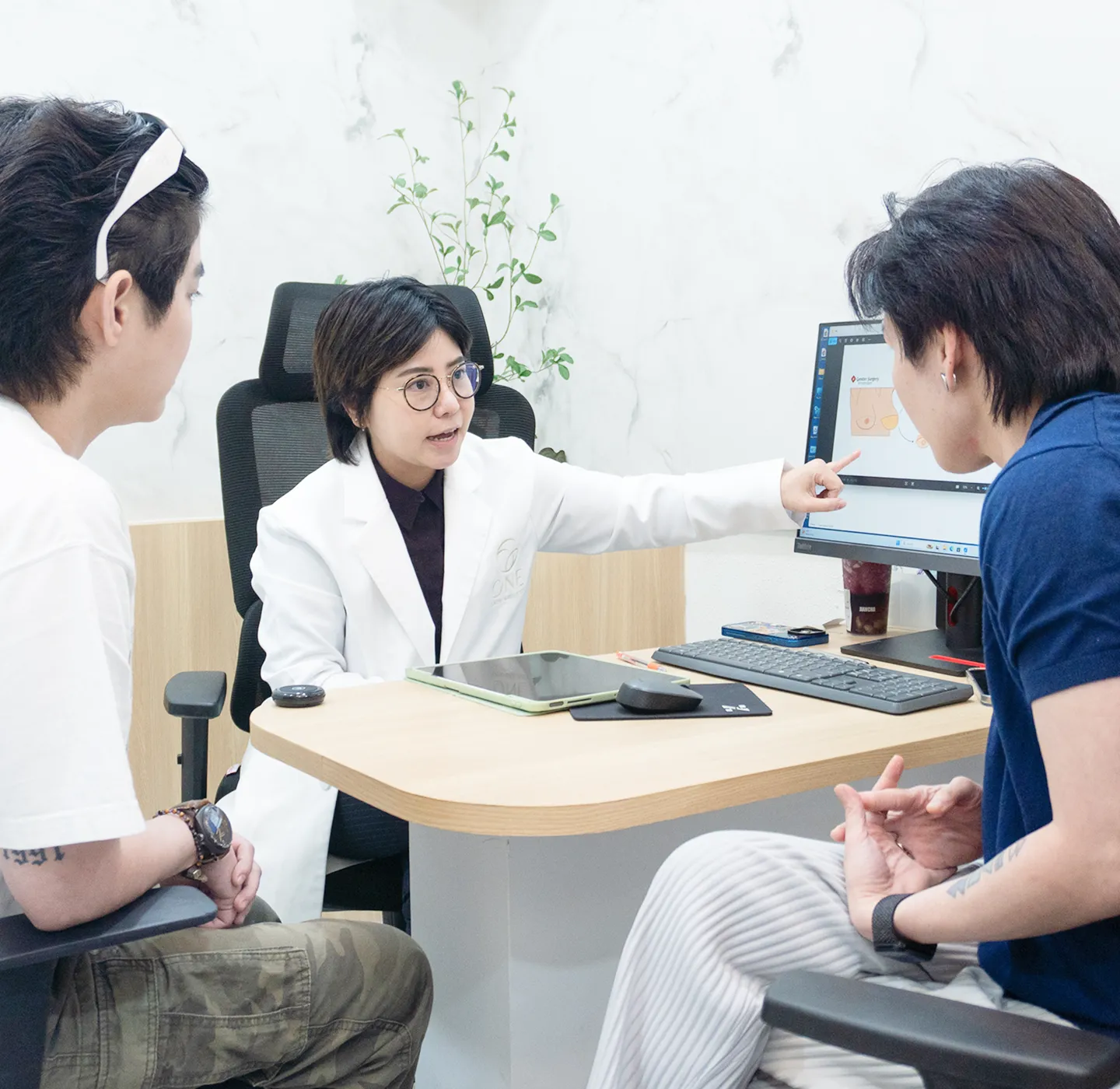
When Your Chest Doesn’t Reflect Who You Are
Many people rely on chest binders or compression garments every day to conceal a chest that doesn’t align with how they see themselves — often facing the same discomfort and concerns again and again.
Results
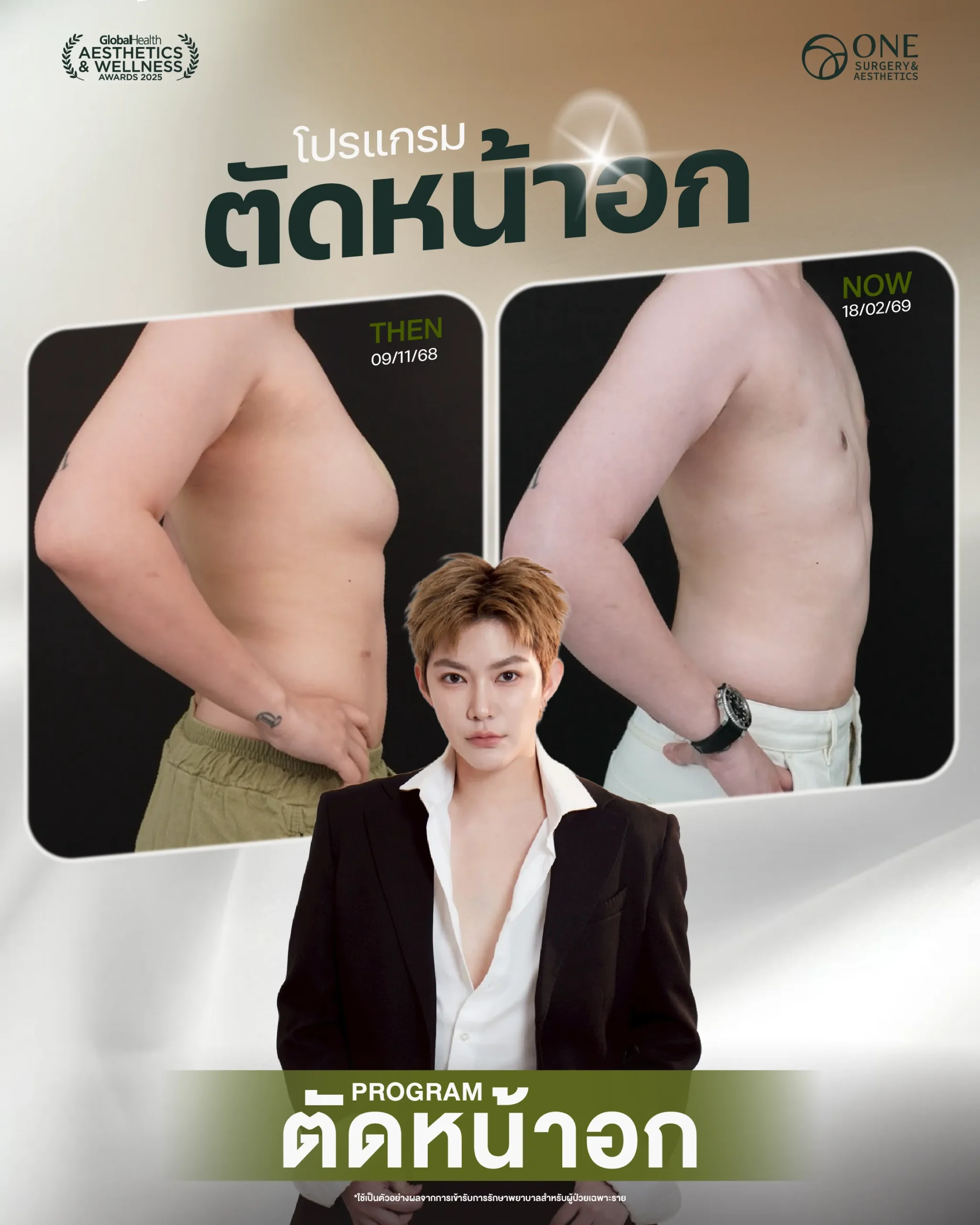
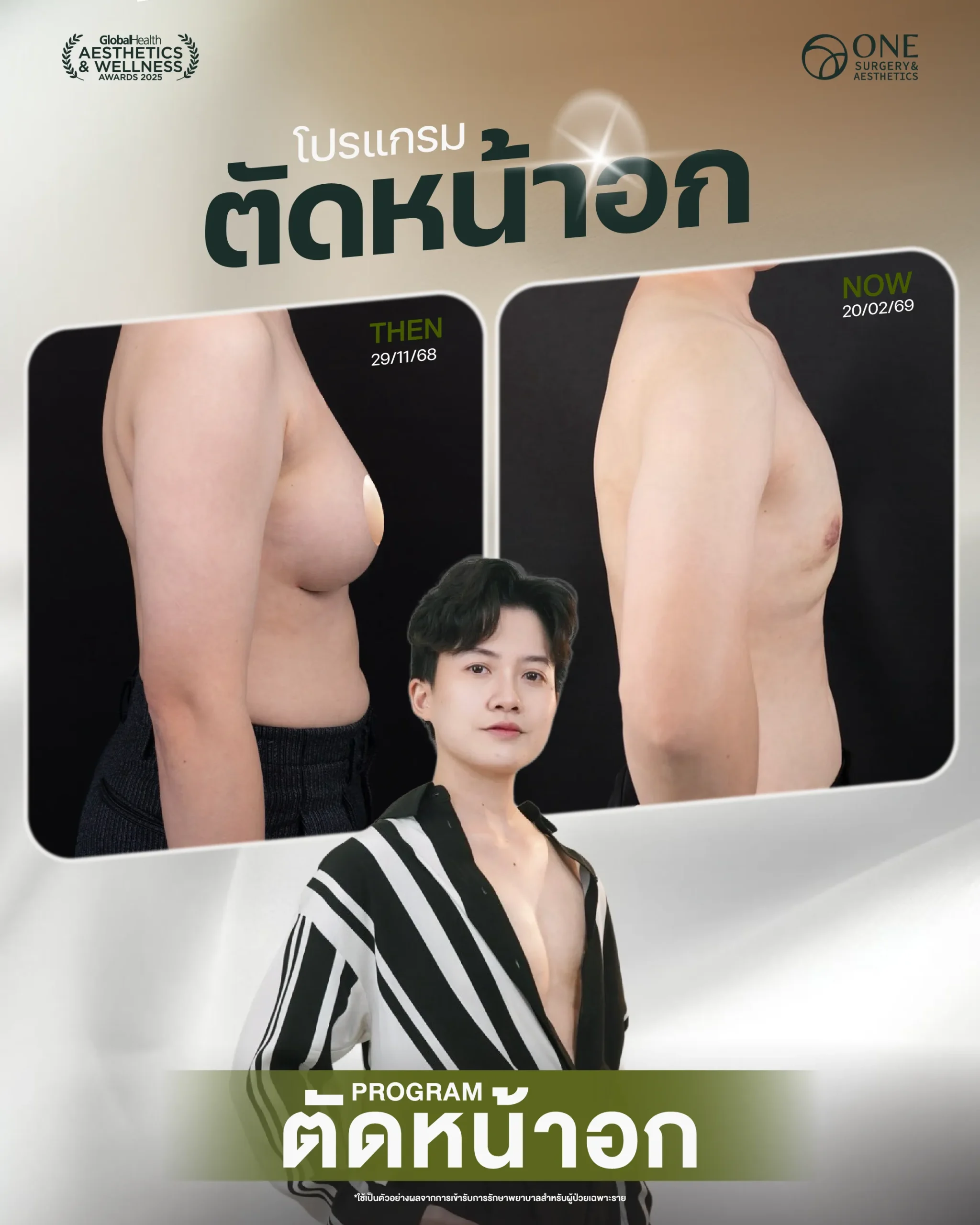
Every procedure is individually designed by a specialist plastic surgeon, combining personalised surgical planning with 3D-printed silicone technology.
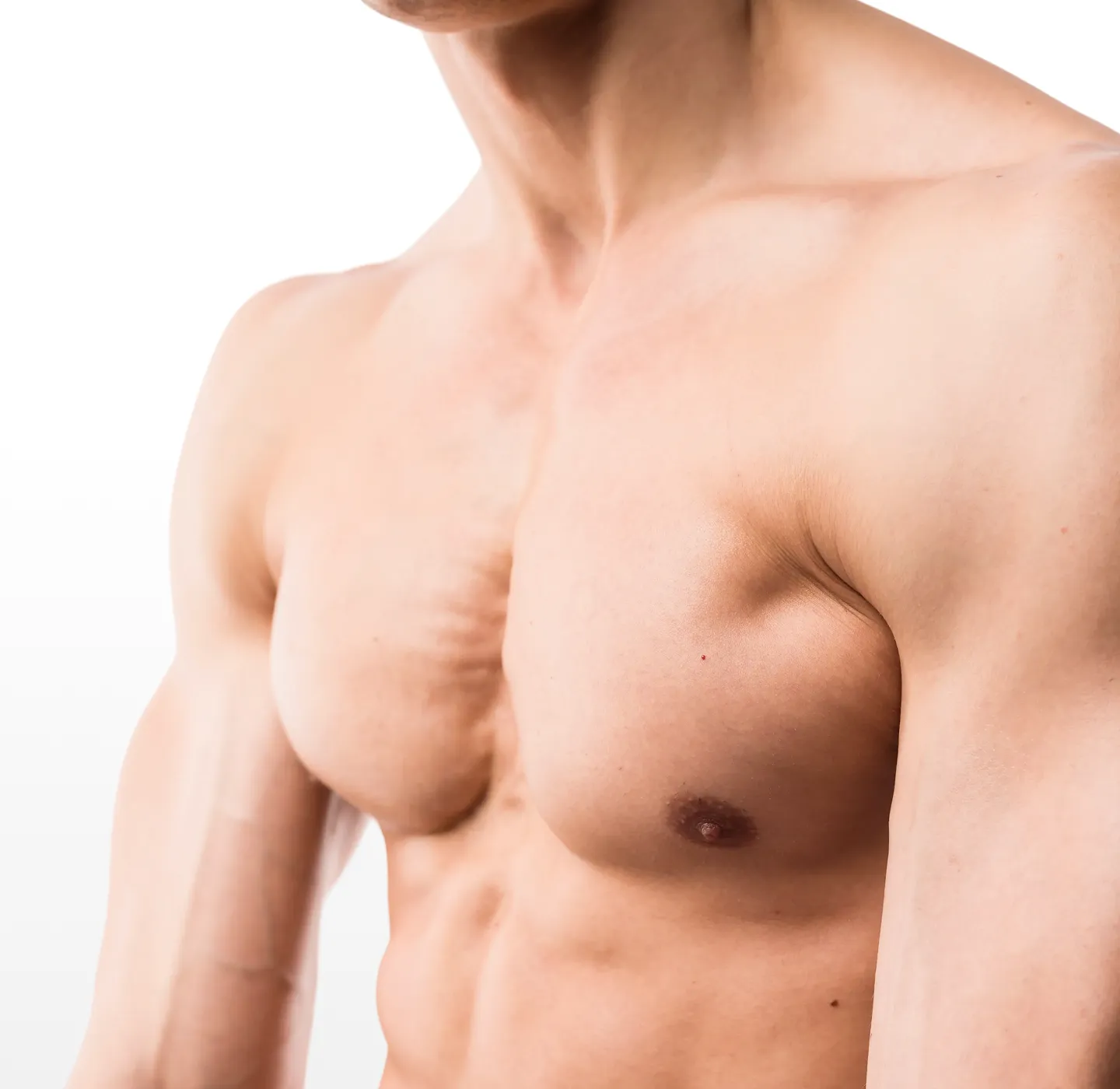
Understanding “Chest Contouring Surgery”
Many people rely on chest binders or compression garments every day to conceal a chest that does not align with how they see themselves. This can bring ongoing physical discomfort and concerns in everyday life.
FTM Top Surgery removes breast tissue and excess fat while reshaping the chest and repositioning the nipples to create a flatter, more masculine contour. The surgical technique is individually selected based on chest size, skin elasticity, anatomy, and personal goals, with incision placement carefully planned to make scars as discreet as reasonably possible.
ONE Clinic : Surgery & aesthetics
Every procedure is individually designed by a specialist plastic surgeon.
Depending on your anatomy and surgical technique, incisions may be placed around the areola (Periareolar) or, for larger chests, positioned to follow the natural contours of the chest as closely as possible. The goal is to achieve a balanced chest contour while allowing scars to blend more naturally as they mature.
Your surgeon evaluates your chest size, skin elasticity, and nipple position to determine the most appropriate surgical technique and incision placement for your individual anatomy — rather than using the same approach for every patient.
Your procedure is performed by a specialist plastic surgeon, supported by an experienced anaesthesia team throughout surgery in a fully equipped operating environment. For cases requiring hospital-level recovery and care, we also collaborate with Vimut Hospital.

ONE Clinic : Surgery & aesthetics
FTM Top Surgery removes breast tissue and excess fat while reshaping the chest and repositioning the nipples to create a flatter, more masculine contour. The surgical technique is individually selected based on chest size, skin elasticity, anatomy, and personal goals, with incision placement carefully planned to make scars as discreet as reasonably possible.
ONE Clinic : Surgery & Aesthetics
Whether you are undergoing masculinizing hormone therapy or not, our medical team will assess your physical readiness and recommend an approach tailored to your individual needs.
For those concerned about discomfort and potential health effects from long-term binder use, and who want greater freedom in everyday life without having to conceal their chest.
Especially for those worried about large or noticeable scars when shirtless. ONE’s small-incision techniques are individually planned to help minimize scar visibility as much as possible.
For those who have been told that large scars or a long recovery are unavoidable, or who are unsure whether their surgeon truly understands the needs and concerns of Tom and trans men.
When considering chest contouring surgery, many people worry about large scars or whether their surgeon will truly understand their goals. Every person is different in terms of chest proportions, skin characteristics, and desired results. That’s why choosing the right surgical technique for each individual is essential.
ONE Clinic : Surgery & aesthetics
Conventional Techniques vs. ONE’s Small-Incision Technique
Why Preparation Matters
Proper preparation and post-operative care are essential for a smooth recovery, optimal healing, and the best possible results. Following your surgeon’s instructions carefully can also help reduce the risk of complications.
Avoid certain pain relievers such as aspirin and ibuprofen, as well as vitamin E, fish oil, garlic, and ginkgo supplements, for at least 1–2 weeks before surgery, or as advised by your surgeon.
Stop smoking and avoid alcoholic beverages for at least 2 weeks before surgery to help reduce the risk of infection and support better wound healing.
During the first 1–2 days after surgery, try to get up and walk around regularly to promote healthy blood circulation and help the body clear excess fluid and lymphatic buildup more efficiently. However, avoid strenuous exercise and heavy lifting for 2–4 weeks, or until your surgeon advises that it is safe to resume these activities.
On the day of surgery, wear loose, comfortable clothing, preferably a button-up or front-opening top that is easy to put on and take off. Avoid tight-fitting clothes to make dressing easier and more comfortable after surgery.
Attend all scheduled follow-up appointments so your surgeon can monitor your recovery, assess the condition of your skin and treated area, and provide appropriate aftercare. ONE Surgery may also provide personalised aftercare treatments, such as skin-tightening massage or light therapy to help reduce swelling, depending on your recovery needs.
ONE Clinic : Surgery & Aesthetics
At ONE Surgery, patient safety is our highest priority. We invest in hospital-grade operating rooms and specialized surgical equipment.
POSITIVE PRESSURE OPERATING ROOM · ISO CLASS 7 CLEANROOM STANDARD
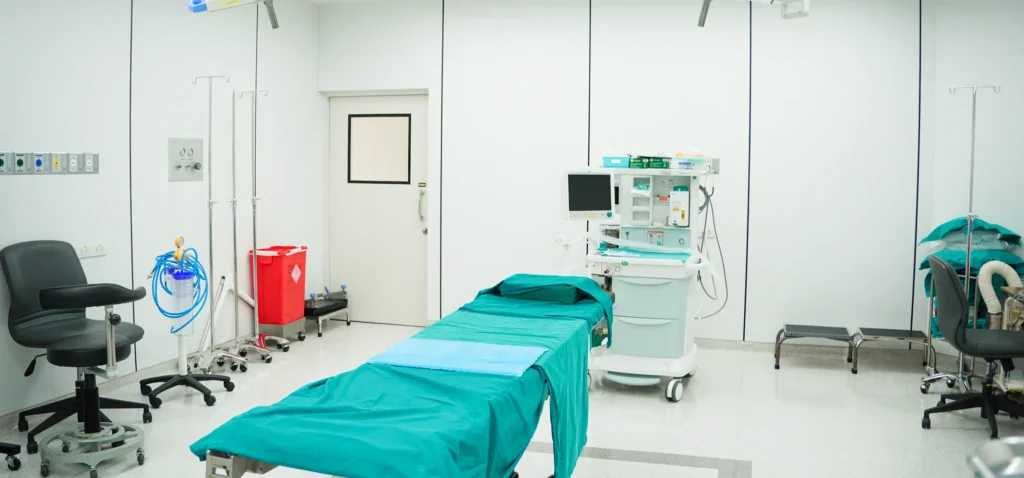
An ISO-standard air control system helps reduce contamination risk and maintain a clean surgical environment during surgery.
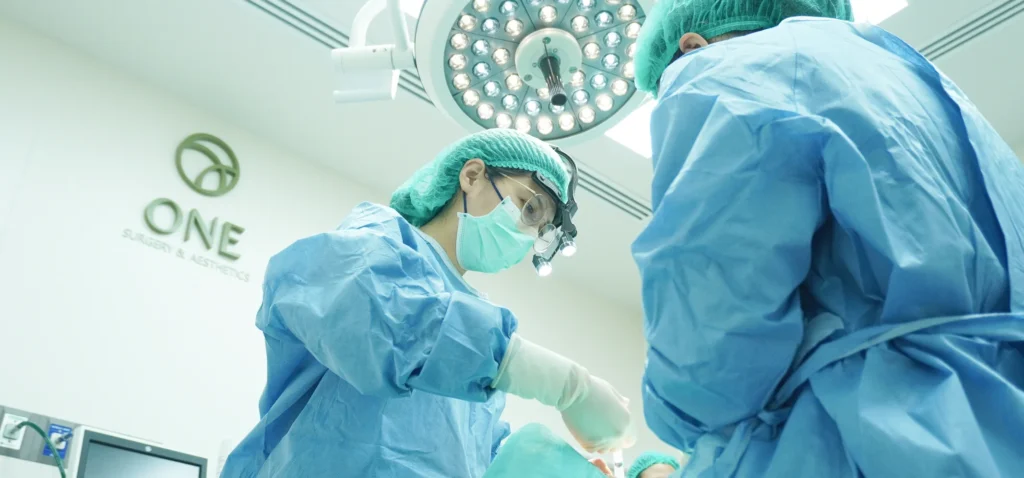
Vital signs are monitored throughout surgery under specialized anesthesiologist supervision.
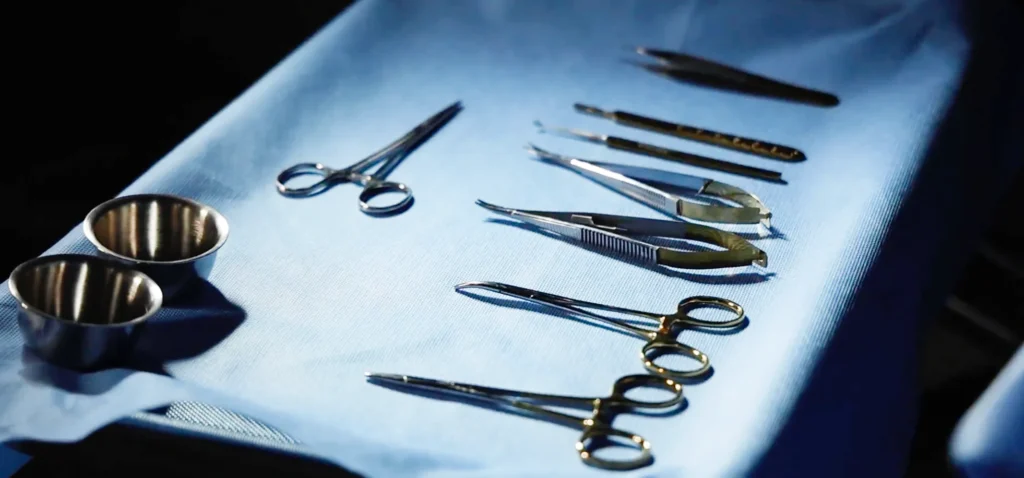
All surgical instruments undergo hospital-grade sterilization protocols before every procedure.
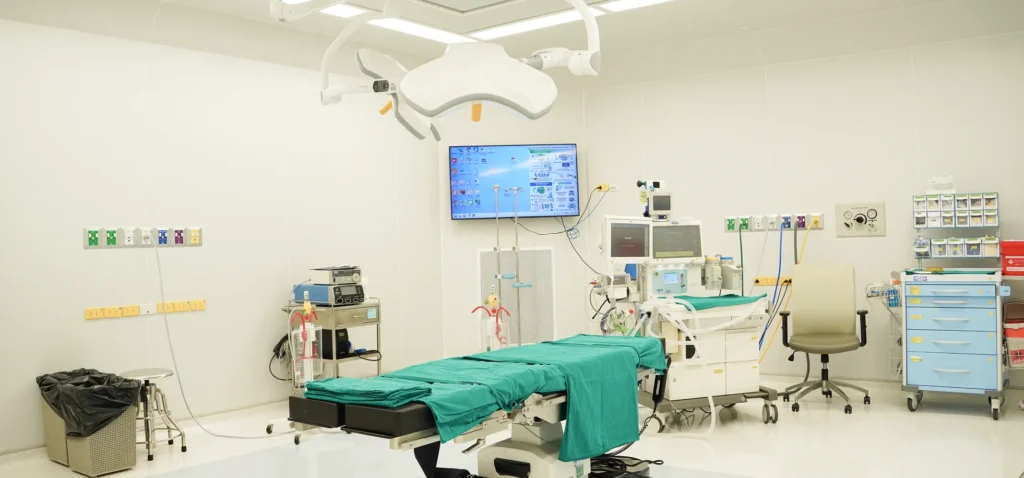
Our operating rooms are equipped with emergency medical equipment and supported by trained medical teams for immediate response when needed.
ONE Clinic : Surgery & Aesthetics
Customer Journey
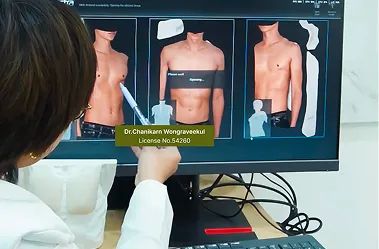
Your journey begins with a consultation to understand your goals, followed by a detailed assessment of your chest shape, tissue volume, skin elasticity, nipple position, body structure, and medical history. This allows the surgeon to develop a personalised surgical plan tailored to your individual anatomy and needs.
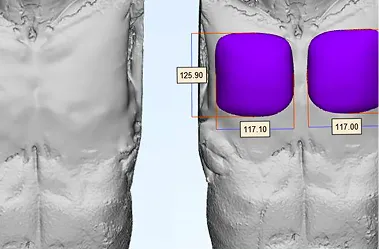
The surgeon evaluates your chest size, degree of sagging, symmetry, and amount of excess skin to determine the most appropriate surgical technique. This detailed assessment helps improve the accuracy of surgical planning and provides a clearer understanding of the expected surgical outcome.
The surgeon selects the most appropriate technique for each patient, such as a Periareolar (O-shaped) Incision, U-shaped Incision, Double Incision, or Inverted-T / Anchor Technique, based on chest size, excess skin, individual anatomy, and desired outcome.

The surgeon carefully plans the nipple position, areola size, and incision placement to complement the natural lines of the pectoral muscles and overall body proportions. This helps create a natural, well-balanced chest contour, avoiding an overly rigid, flat, or disproportionate appearance.
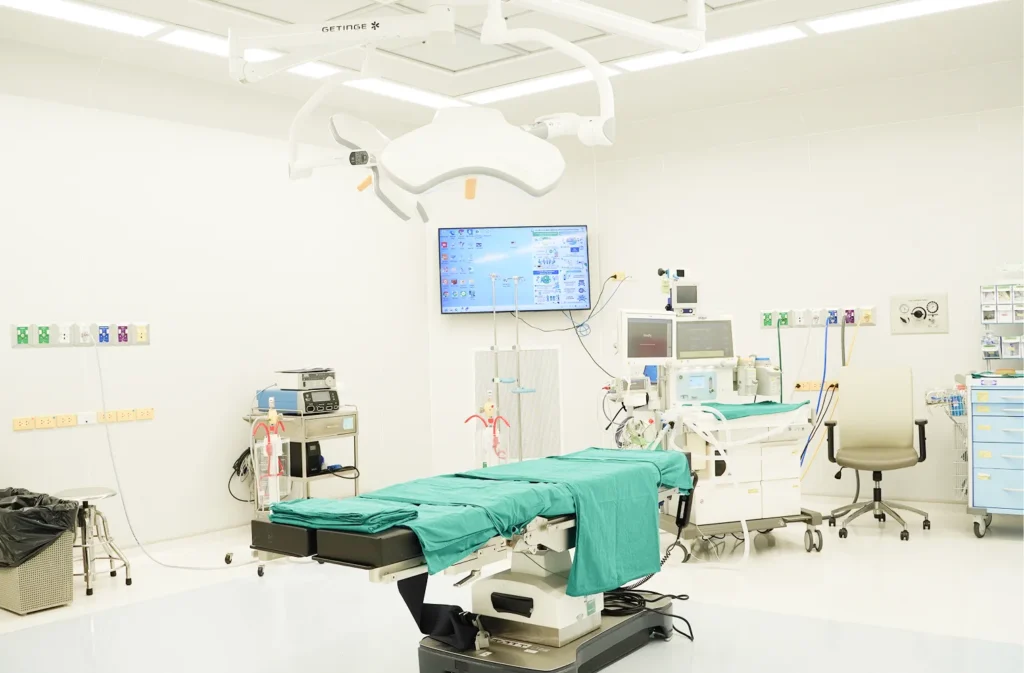
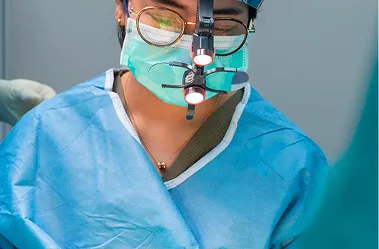
The surgeon removes excess chest tissue and skin, then carefully reshapes the chest contour according to the personalised surgical plan. The procedure is performed in a standard operating room, with careful attention to safety, symmetry, and results that complement the patient’s natural anatomy.
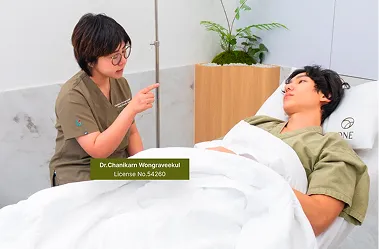
Receive continuous care after breast augmentation, including wound care, monitoring of swelling and bruising, implant position assessment, and personalised post-operative guidance, helping you feel confident and supported throughout every stage of your recovery.
10 — Q & A
A: FTM Top Surgery is a surgical procedure that reduces breast tissue and reshapes the chest to create a flatter contour that better aligns with the patient’s desired appearance.
Unlike conventional breast reduction, which primarily focuses on reducing breast size and improving aesthetic proportions, FTM Top Surgery places greater emphasis on managing breast tissue, excess skin, and nipple position to achieve a flatter, more balanced chest contour.
At ONE Surgery & Aesthetics Clinic, each patient’s chest anatomy, tissue volume, and skin quality are carefully assessed before the surgeon develops a personalised surgical plan and selects the most appropriate technique.
A: FTM Top Surgery generally involves two main surgical approaches:
Periareolar Technique — Suitable for patients with a small to medium-sized chest, good skin elasticity, and minimal excess skin. The incision is placed around the areola.
Double Incision Technique — More suitable for patients with a medium to large chest or greater skin laxity. This technique allows the surgeon to remove a larger amount of breast tissue and excess skin.
At ONE Surgery & Aesthetics Clinic, your surgeon will assess your chest anatomy and discuss your goals with you before recommending the most appropriate surgical technique for your individual needs.
A: The location of the incisions for FTM Top Surgery depends on the surgical technique selected. Incisions may be designed in an O-shaped or U-shaped pattern, depending on the patient’s chest anatomy, nipple position, and the amount of excess skin that needs to be addressed.
With the Periareolar Technique, the incision is placed around the edge of the areola, which may help the scar blend more naturally with the transition in skin tone for some patients.
With the Double Incision Technique, incisions are typically positioned along the lower chest on both sides.
Scars generally fade and mature over time. However, their final appearance varies depending on skin characteristics, wound care, genetics, and each individual’s healing response.
A: Preparing for FTM Top Surgery involves several important steps. You may be advised to stop certain medications and supplements that can affect blood clotting, as directed by your surgeon, and to stop smoking before surgery to support proper wound healing.
You will also need to undergo blood tests and a pre-operative health assessment to ensure you are medically ready for surgery. It is also recommended to arrange for someone to assist you during the first 24–48 hours after surgery.
At ONE Surgery & Aesthetics Clinic, your surgeon will provide personalised pre-operative instructions based on your health, medical history, and individual surgical plan.
A: Recovery after FTM Top Surgery generally occurs in stages. During the first 1–2 weeks, you should get plenty of rest, avoid heavy lifting, and limit movements that place excessive strain on the chest and shoulders.
Over the following 4–6 weeks, you can gradually return to more of your normal daily activities. Strenuous upper-body exercise is typically considered after approximately 6–8 weeks, depending on your surgeon’s assessment.
Recovery time varies depending on the surgical technique, your overall health, and your individual healing response. At ONE Surgery & Aesthetics Clinic, each patient receives personalised post-operative care instructions based on their recovery progress.
A: Possible side effects after FTM Top Surgery include swelling, bruising, tightness, and discomfort around the chest during the early stages of recovery.
Some patients may experience reduced sensation around the nipples or skin near the incisions, which may gradually improve over time. Scars may also appear darker, raised, or firm initially before changing as the healing process progresses.
Other potential risks include haematoma, infection, wound separation, asymmetry of the chest, or differences in nipple position. These risks may be reduced through careful pre-operative assessment, surgery in an appropriately equipped medical facility, and following your surgeon’s post-operative instructions closely.
A consultation with your surgeon is recommended to fully understand the potential risks and considerations before deciding to undergo surgery.
A: The cost of FTM Top Surgery varies depending on several factors, including the surgical technique, amount of breast tissue and excess skin to be removed, complexity of nipple repositioning, and the level of pre- and post-operative care required.
In some cases, the Double Incision Technique may cost more than the Periareolar Technique because it involves more extensive tissue and skin management.
The total cost may also include operating room fees, anaesthesia, medications, and post-operative follow-up care.
You can schedule a consultation at ONE Surgery & Aesthetics Clinic for a personalised assessment and a detailed quotation based on your individual surgical plan.
A: For those looking for FTM Top Surgery in Bangkok, ONE Surgery & Aesthetics Clinic focuses on a personalised approach, from detailed chest anatomy assessment and selecting the most appropriate surgical technique to continuous care before and after surgery.
ONE Surgery & Aesthetics Clinic also collaborates with Vimut Hospital to support surgical cases and provide care in accordance with appropriate medical facility standards, with a strong emphasis on patient safety throughout the surgical journey.
Conveniently located on Rama IV Road in Khlong Toei, Bangkok, the clinic provides structured surgical planning and post-operative follow-up by a plastic surgery team.
This makes ONE Surgery & Aesthetics Clinic an option for patients seeking Top Surgery in Bangkok with a focus on personalised results, surgical safety, and comprehensive aftercare.
A: Patients who are currently receiving Hormone Replacement Therapy (HRT) can often still be assessed for FTM Top Surgery. However, your surgeon will consider several factors, including the type of hormone, dosage, duration of treatment, medical history, and any factors that may affect blood clotting or wound healing.
In some cases, your hormone therapy plan may need to be adjusted before or after surgery based on your doctor’s assessment. Do not stop or change your hormone medication without medical advice.
At ONE Surgery & Aesthetics Clinic, your surgeon will carefully review your hormone therapy and medical history during your consultation to develop a surgical plan appropriate for your individual health and needs.
A: If you are not fully satisfied with the results of your FTM Top Surgery—for example, if the chest is not as flat as expected, some tissue remains, the scars or chest contour appear uneven, or the nipple positions are asymmetrical—revision surgery may be considered.
Whether revision is appropriate depends on factors such as the amount of remaining tissue, skin condition, existing scars, and the time that has passed since the original procedure.
In most cases, it is recommended to wait until the incisions have healed, swelling has subsided, and the tissues have settled before considering revision surgery. This may take approximately 6–12 months or longer, depending on individual healing.
A consultation at ONE Surgery & Aesthetics Clinic is recommended so your surgeon can assess your condition in detail and determine whether revision surgery is appropriate for you.