 LINE
 WhatsApp
 Google Map



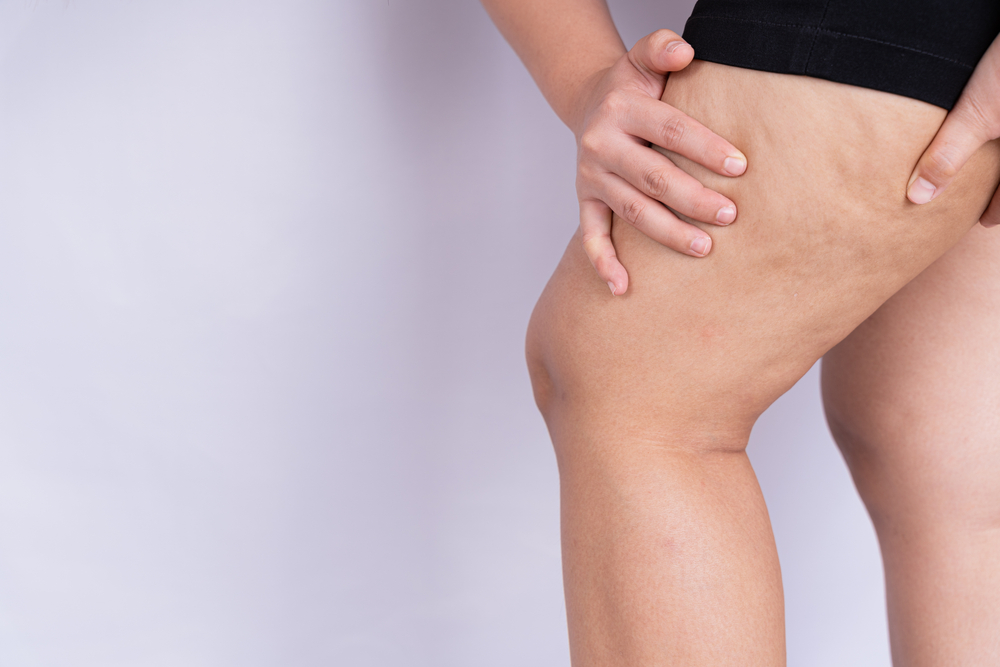
Thigh fat is one of the most stubborn areas to reshape through diet and training alone. Whether the concern is chafing along the inner leg or fullness around the hip or thigh, liposuction offers a targeted way to refine the contour. This guide covers what the procedure treats, who it suits, what recovery looks like, and how ONE Surgery & Aesthetics Clinic in Bangkok approaches it. For a broader view, see our Thailand liposuction packages.
Thigh liposuction is a surgical contouring procedure that removes localised subcutaneous fat from the upper leg through small access points, using a fine cannula. It reshapes rather than reduces total body weight, and works best when a patient has a defined pocket of fat resistant to lifestyle change.
What is inner thigh liposuction? It focuses on the medial thigh, the area most linked to rubbing and chafing. The goal is a smoother inner-leg line and better clothing fit. Skin recoil is key here more than almost any other lipo zone, since inner-thigh skin is thinner and less firm than outer-thigh skin.
Inner thigh liposuction before-and-after photos typically show a straighter medial line and less contact between the thighs when standing. The change is real but subtle, developing over months.
Outer or lateral thigh liposuction addresses the upper outer thigh, the area associated with hip fullness, often called saddlebags. Because outer-thigh skin is thicker, contour outcomes tend to be more predictable than on the inner thigh. Patients often combine outer and inner zones to balance the overall leg shape.
Thigh gap liposuction may reduce inner-thigh fullness in appropriately selected patients, but no responsible surgeon can guarantee a thigh gap. Pelvic width, femur alignment, muscle mass, skin elasticity, and baseline fat distribution all determine whether a gap is anatomically possible.
A more realistic goal is less friction, smoother inner-leg lines, better clothing fit, and a more balanced lower body. If a gap is not physically possible for your anatomy, a good surgeon will say so at the consultation.
Good candidates have stable weight, localised thigh fat that has resisted diet and training, good general health, realistic expectations, and enough skin elasticity to adapt. Both men and women seek treatment.
Thigh liposuction may not suit patients with significant loose skin after major weight loss, marked cellulite concerns, suspected lipoedema, or a wish for broad weight reduction. In those cases, a different or combined treatment may work better. Clinical assessment is the reliable path forward, not self-diagnosis from photos online.
For the right candidate, very. It reliably reduces localised fat and refines the contour when the patient maintains a stable weight afterwards.
Is thigh liposuction worth it? For patients whose main issue is stubborn fat rather than skin laxity, generally yes. Patients hoping to lose kilograms will be disappointed. Removed fat cells do not regrow in the treated area, but remaining fat cells can enlarge with weight gain, and body fat can accumulate elsewhere. Long-term outcome depends on maintaining a healthy weight.
Your surgeon marks the treatment zones while you stand, since fat distribution shifts when you lie down. Small access incisions are placed in discreet locations, an infiltration fluid is used, and VASERlipo, an ultrasound-assisted technique, breaks down fat more selectively before it is suctioned out. Cannula-based fat removal and careful contouring follow, then a compression garment before discharge. No technology alone determines a good result. This is why surgeon planning and judgement are key.
How long is recovery from thigh liposuction? Most patients see steady progress across weeks, with the final contour visible at several months.
First 72 hours: Soreness, swelling, bruising, and possible fluid drainage from incision sites. Compression garment worn as instructed, prescribed medication, hydration, and short walks.
Weeks 1 to 2: Many patients return to non-strenuous work and daily activities within several days to a week, depending on the extent of the procedure and job demands.
Weeks 3 to 6: Swelling settles, comfort improves, scar care begins, and strenuous activity resumes only with surgeon clearance, commonly around 4 to 6 weeks.
3 to 6 months: Residual swelling and tissue firmness continue to resolve. Any persistent asymmetry, hard areas, fluid collection, or changing sensation should be reviewed at follow-up.
All surgery carries risk, and safety comes from proper qualification, an accredited facility, appropriate anaesthesia planning, clear aftercare, and prompt review of concerning symptoms. Most patients experience some temporary side effects in the days and weeks following the procedure, including swelling, bruising, tenderness, firmness, and altered sensation across the treated area. These usually settle steadily through the recovery timeline.
Less commonly, the procedure carries risks of complications such as contour irregularities, asymmetry, loose or rippled skin, infection, seroma, and clotting, with a small number of cases requiring revision surgery. Following your surgeon’s pre- and post-operative instructions closely reduces the likelihood of these outcomes.
Certain symptoms need urgent clinical review rather than watchful waiting. Worsening rather than improving pain, fever, expanding redness, one-sided severe swelling, chest pain, or shortness of breath all warrant an immediate call to the clinic. Prompt attention to these signs is one reason follow-up access matters so much when choosing where to have surgery.
How much is thigh liposuction depends on how many zones are treated, the complexity of fat removal, surgeon and facility fees, anaesthesia, technology used, garments, medications, follow-up visits, and revision policy.
An itemised quote is more useful than a headline number. Ask what is included before comparing prices between clinics. Book a consultation at ONE Surgery & Aesthetics Clinic to have your thigh anatomy, skin quality, and target zones assessed in person.
References:
Liposuction On The Thighs. Retrieved on 21 September 2026 from https://www.nygplasticsurgery.com/liposuction/liposuction-on-the-thighs/
Liposuction. Retrieved on 21 September 2026 from https://www.mayoclinic.org/tests-procedures/liposuction/about/pac-20384586
7 Things You Need to Know about Thigh Liposuction. Retrieved on 21 September 2026 from https://www.belorens.com/blog/thigh-liposuction/
Thigh Liposuction: Inner vs. Outer Thigh, Saddlebags, Cost, and Real Results (2026). Retrieved on 21 September 2026 from https://lipo.com/guide/body-areas/thigh-liposuction
A: Yes. Many patients treat both zones in one procedure. Your surgeon will confirm suitability for the procedure at the consultation.
A: No. Liposuction targets fat volume, not the fibrous bands that cause dimpling. Some patients see mild improvement; others do not.
A: Light walking is fine early on. Running, weights, and cycling typically resume around 4 to 6 weeks with surgeon clearance.
A: Most patients wear it continuously for the first 2 to 3 weeks, then part-time as directed.
A: Early changes appear within weeks. The final contour usually shows between 3 and 6 months as swelling settles.
A: A surgical contouring procedure that removes localised fat from the medial thigh, the area most linked to rubbing and chafing, for a smoother inner-leg line.
A: The cost of thigh liposuction depends on how many zones are treated, surgeon and facility fees, anaesthesia, technology used, garments, medications, follow-up visits, and revision policy. Ask for an itemised quote at the consultation with your surgeon.
A: Most patients return to non-strenuous work within a week, resume strenuous activity around 4 to 6 weeks with surgeon clearance, and see the final contour between 3 and 6 months.
4180/6 Rama IV Road, Phra Khanong Subdistrict, Khlong Toei District, Bangkok 10110, Thailand
At ONE Surgery and Aesthetics, we are your trusted partner in enhancing your appearance and youthful charm through cutting-edge technology.

Optional cookies start only with your consent. Privacy Policy
We use necessary cookies to keep this website working. Analytics and advertising cookies are enabled only with your permission. Choose what you allow. You can change your preferences at any time. Reducing permissions reloads this page; finish any form before saving. Read our Privacy Policy