 LINE
LINE
 WhatsApp
 Google Map


ONE Clinic : Surgery & Aesthetics
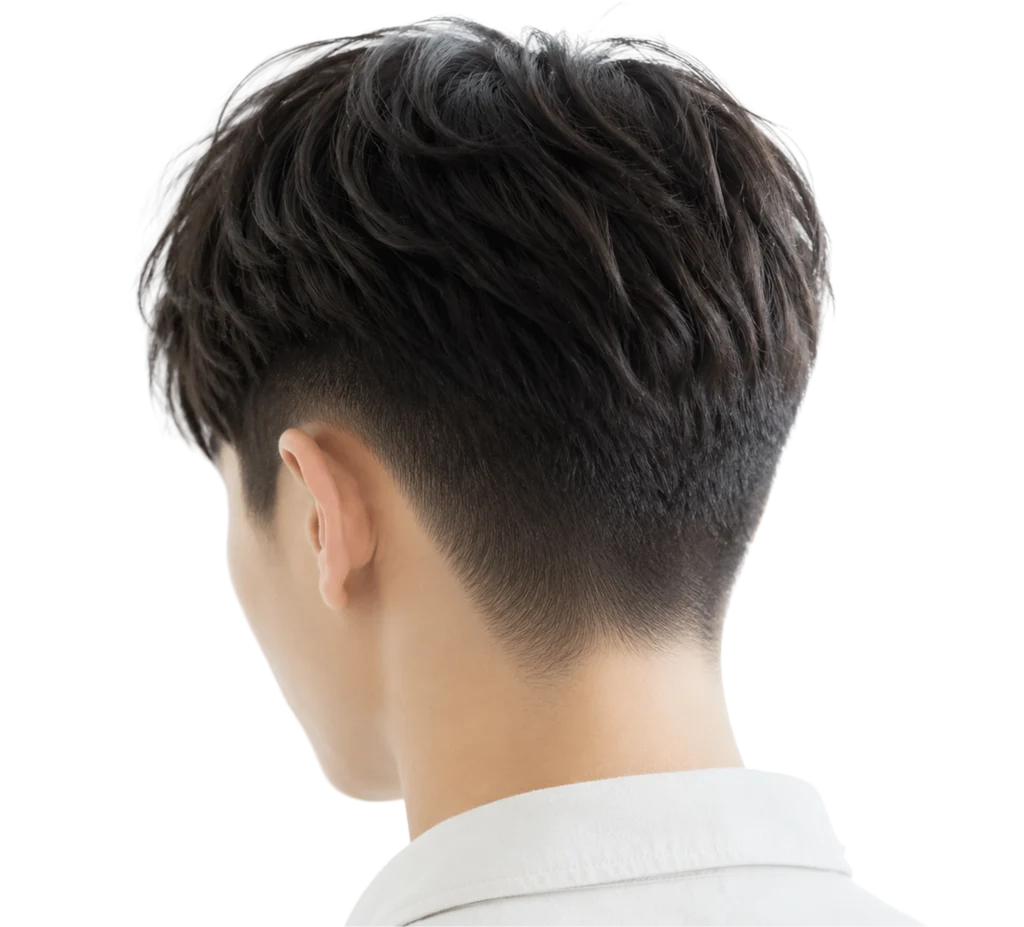
A personalized silicone occipital implant planned with CT-based 3D technology to complement your individual skull contour. Care is provided by an experienced surgical team throughout your procedure.
Flat or poorly defined skull shape
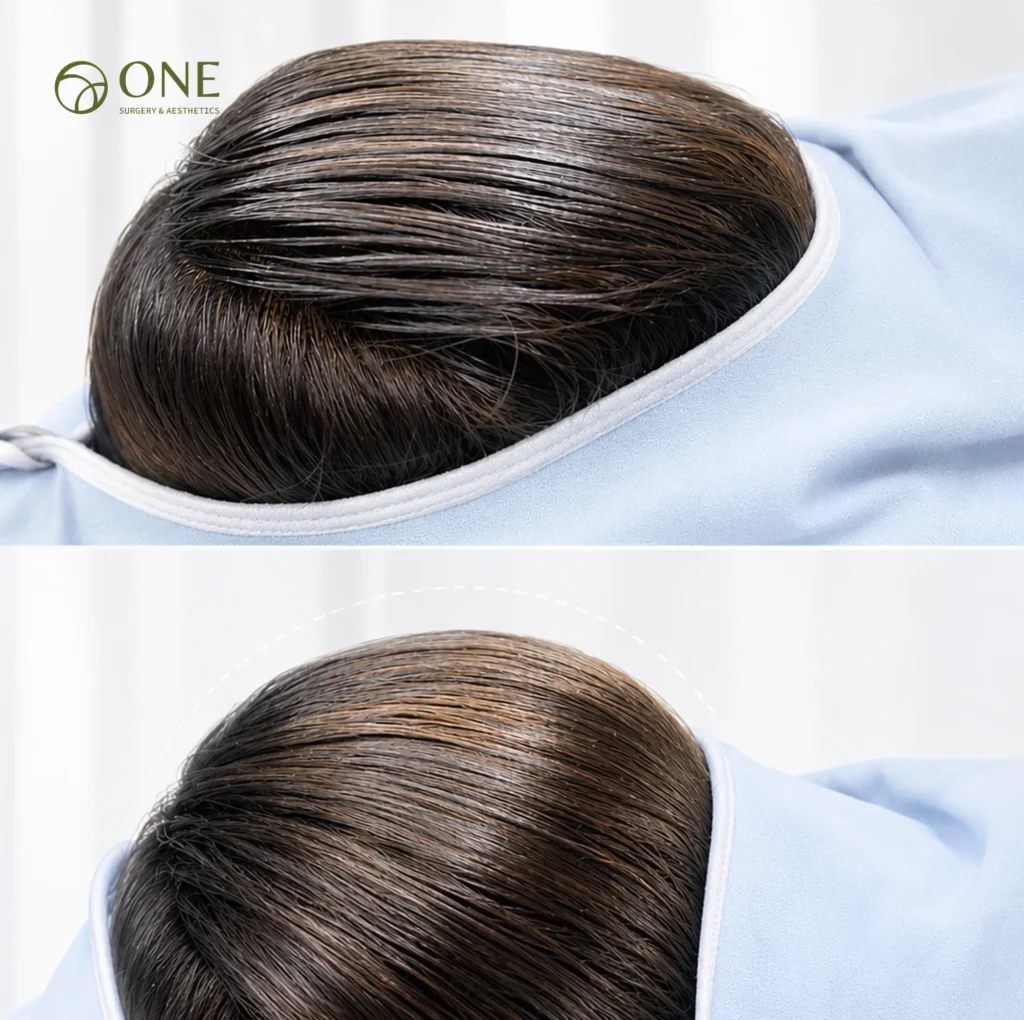
A flat or under-projected contour at the back of the head cannot always be concealed with a different hairstyle. For many people, it remains a concern they notice every day.
Technology
House of 3D Plastic Surgery
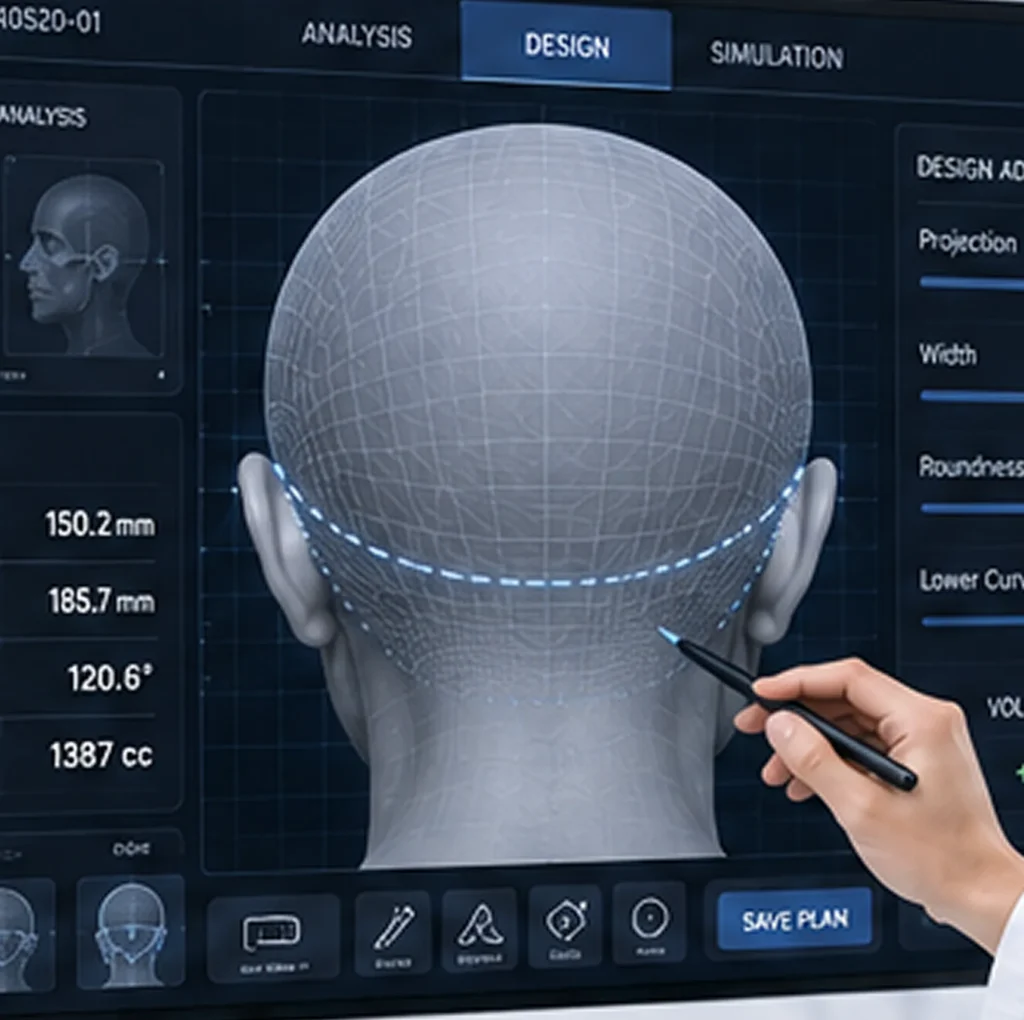
Three-dimensional assessment of the head structure to support personalized surgical planning.
A custom occipital implant designed to complement each patient’s head shape and overall proportions.
Carefully planned surgery with attention to incision placement, implant positioning, and balanced contours.
Comprehensive postoperative care with scheduled follow-ups, support to manage swelling, and laser therapy to support recovery when appropriate.
UNDERSTANDING OCCIPITAL AUGMENTATION
Occipital augmentation, also known as flat back of head surgery, is a personalized procedure for adults seeking to improve a flat, under-projected, or asymmetric back-of-head contour.
Occipital augmentation, also known as flat back of head surgery, is a procedure that places a medical-grade implant over the occipital bone to improve volume and curvature at the back of the head.
For suitable patients, ONE may use CT-based 3D planning and a custom occipital implant designed around the individual skull contour. This personalized approach supports a smoother, more proportionate profile, although results, longevity, and surgical risks vary between patients.
ONE Clinic : Surgery & aesthetics
A visibly flat occipital area may make the head appear shorter and less dimensional from the side. Occipital augmentation may help create a fuller, more balanced back-of-head contour.
Occipital asymmetry may cause one side of the back of the head to appear flatter or more prominent than the other. A custom occipital implant can be designed to improve overall balance and symmetry.
Back-of-head augmentation may benefit people who wear sleek ponytails, buns, braids, or other hairstyles that reveal the occipital contour and want a more rounded shape that complements the neck and facial profile.
This may include performers, models, presenters, flight attendants, and professionals who frequently appear on camera or meet clients. A more balanced head shape may enhance the overall profile from multiple angles.
Occipital implant surgery offers a personalized surgical option for patients who prefer not to rely on ongoing injectable treatments.
ONE Clinic : Surgery & Aesthetics
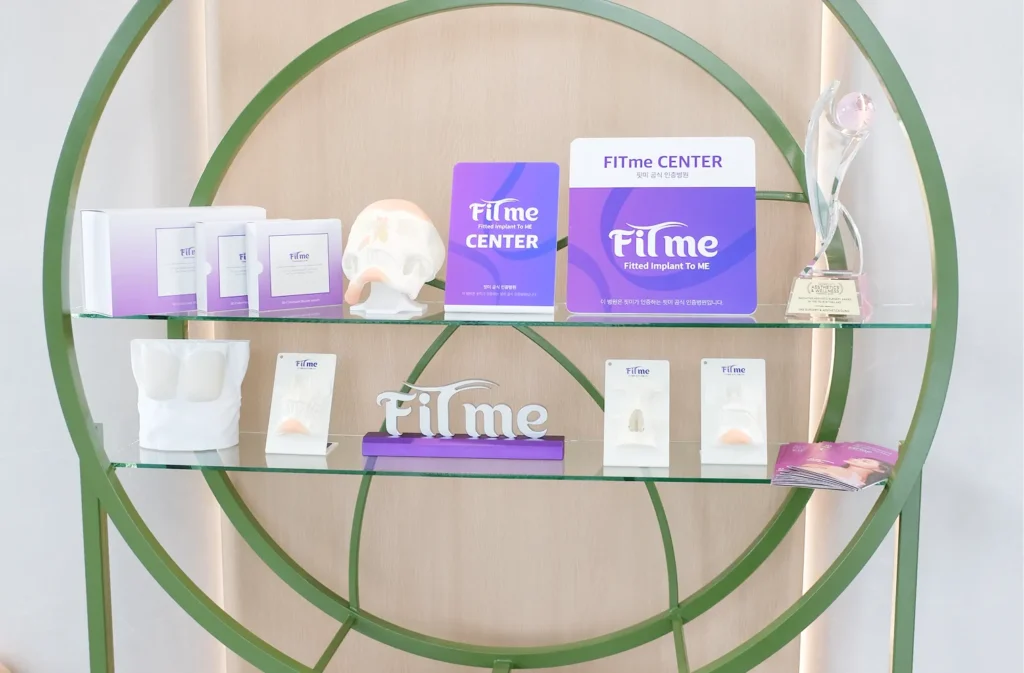
Traditional occipital augmentation may raise concerns about implant fit, shifting, or unnatural contours. Because every skull has different curves, proportions, and bone thickness, ONE uses CT-based 3D planning to design a personalized silicone implant that follows your individual anatomy.
At ONE Surgery & Aesthetics, care continues beyond the operating room. Our ONE Aftercare program supports your comfort, helps manage swelling, and guides you through occipital augmentation recovery with greater confidence.
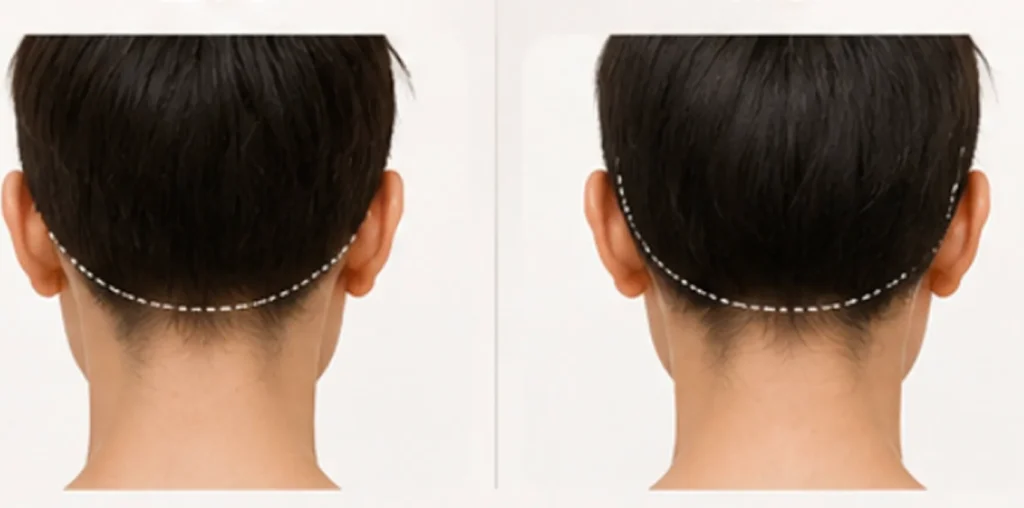
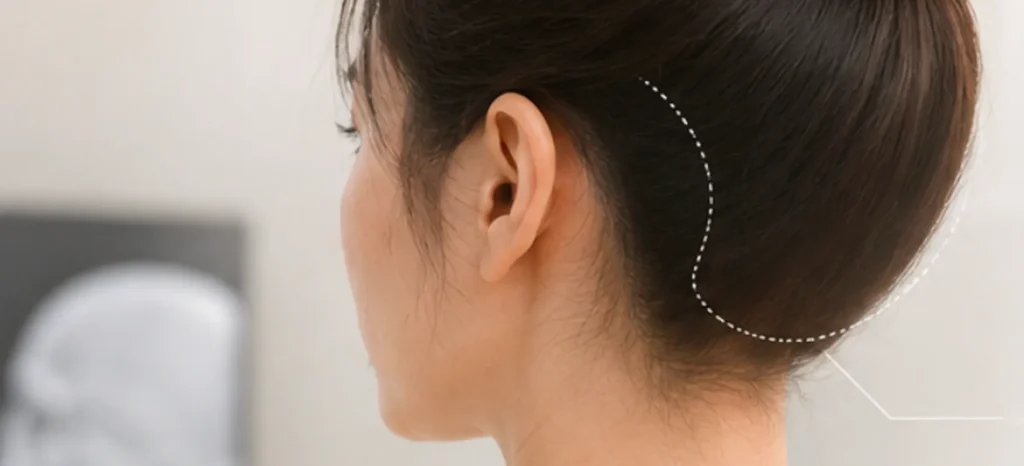
A personalized silicone implant, designed with CT-based 3D planning, follows the natural curves of your skull for a smoother, more refined contour. Once healing progresses, the implant edges are designed to feel less noticeable beneath the scalp and blend naturally with your anatomy.
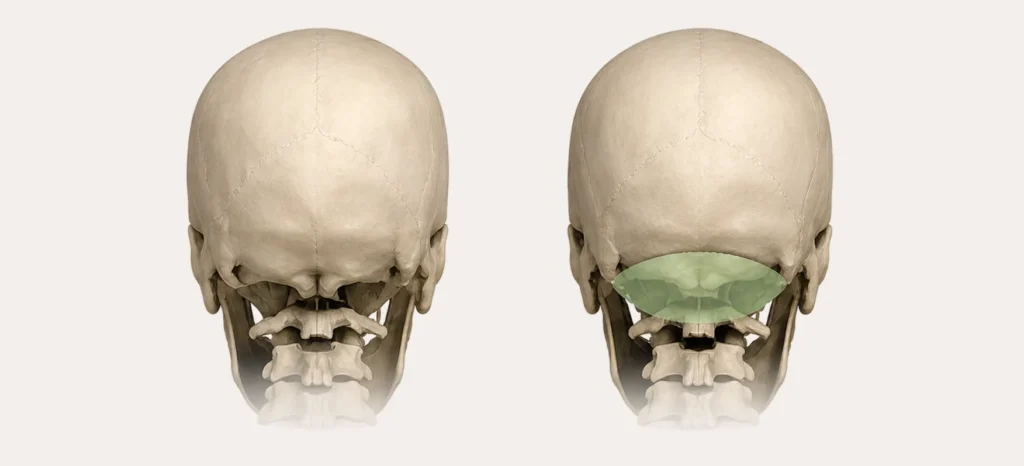
Our custom occipital implants are made from durable, flexible, medical-grade silicone selected for surgical use. The implant is designed to provide stable support and long-term contouring, with suitability assessed individually by the surgeon.
ONE Clinic : Surgery & Aesthetics
Choosing the right clinic for personalized occipital augmentation is essential. At ONE Surgery & Aesthetics, we focus on natural-looking results, individualized care, and established surgical safety standards.
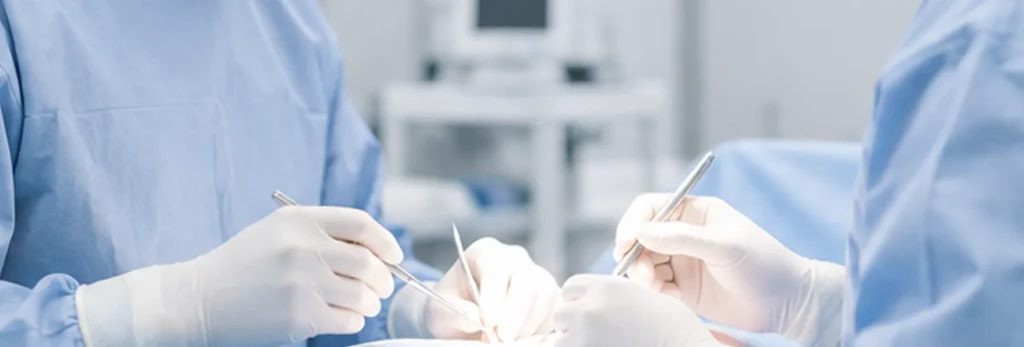
Occipital implant surgery is performed by plastic surgeons with experience in scalp and skull anatomy, supporting precise implant placement while minimizing unnecessary tissue disruption.
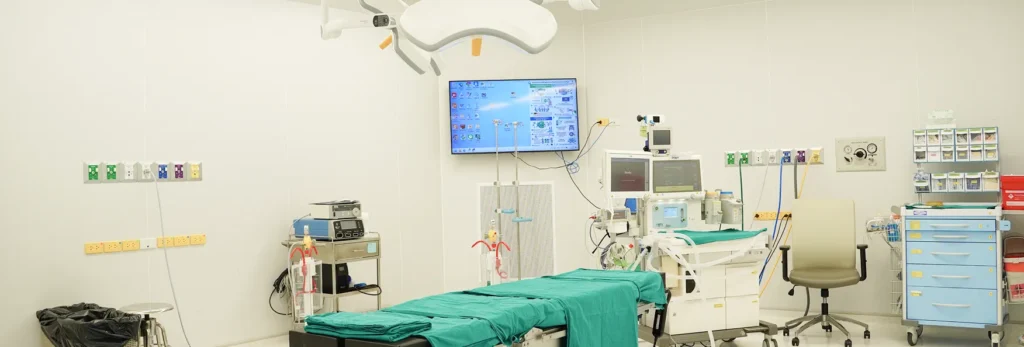
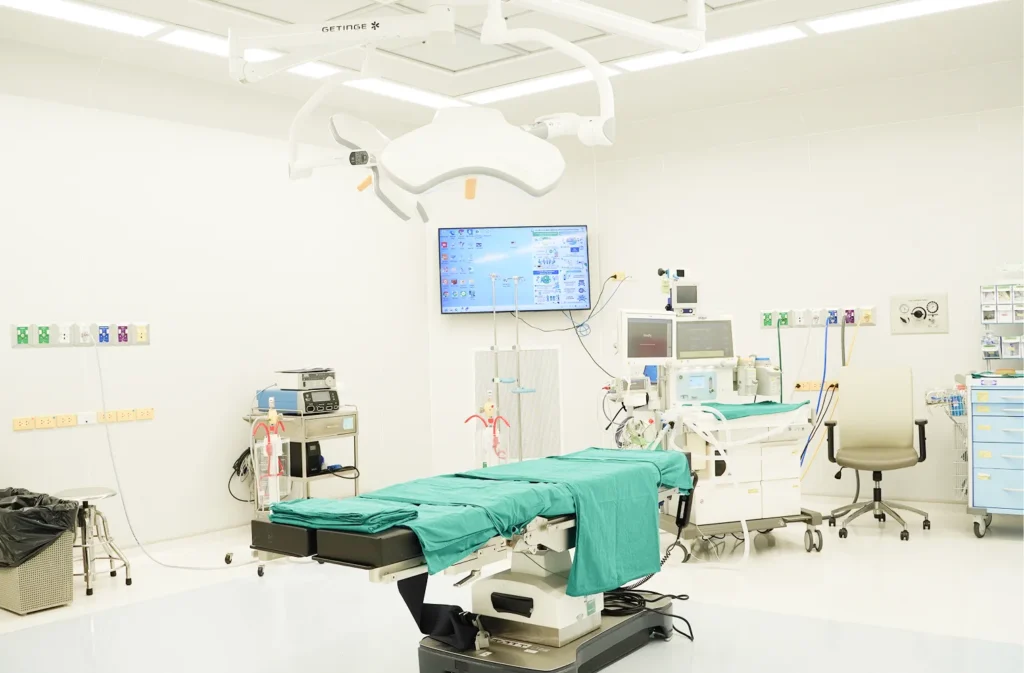
Our operating rooms feature controlled airflow and HEPA filtration, strict sterilization protocols, and continuous 1:1 monitoring by an anesthesiologist throughout surgery.
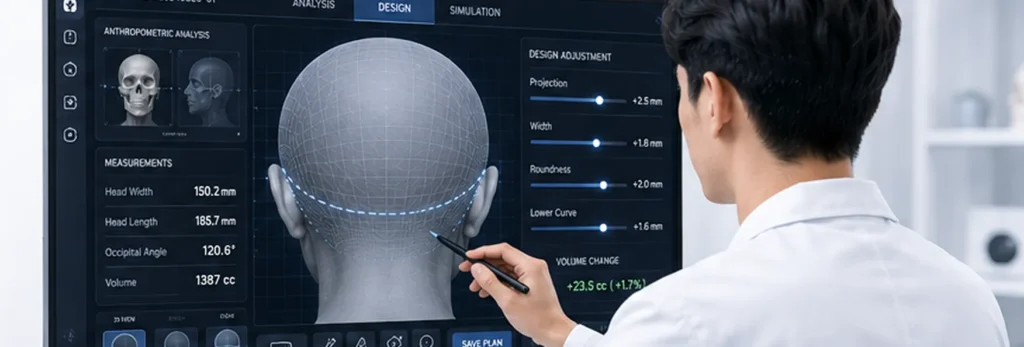
The incision is carefully positioned within the natural hairline to help keep the scar less visible. As healing progresses and the hair grows back, the incision typically blends more naturally with the surrounding scalp.
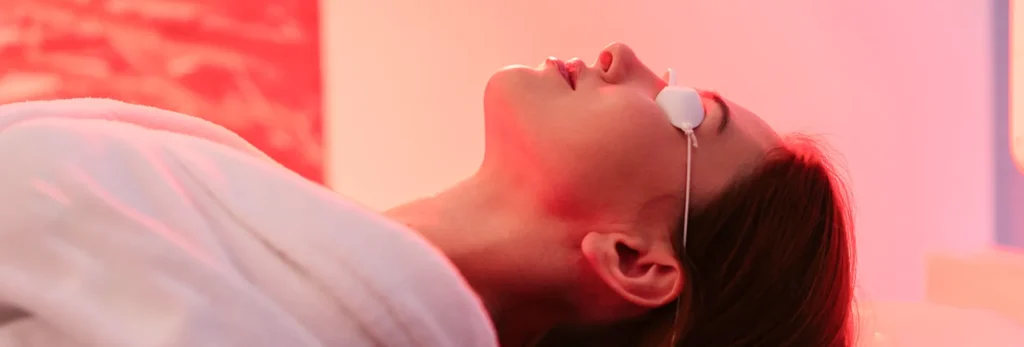
With precise planning and a custom occipital implant, full-head shaving is often unnecessary, supporting a smoother recovery and earlier return to daily life.
ONE Clinic : Surgery & Aesthetics
Standard Occipital Implant vs. Custom Occipital Implant at ONE
ONE Clinic : Surgery & Aesthetics
Designed as a clear, step-by-step customer journey.
From your first consultation to the day you reveal your newly designed profile, every stage is carefully planned to help you feel confident throughout the entire experience.
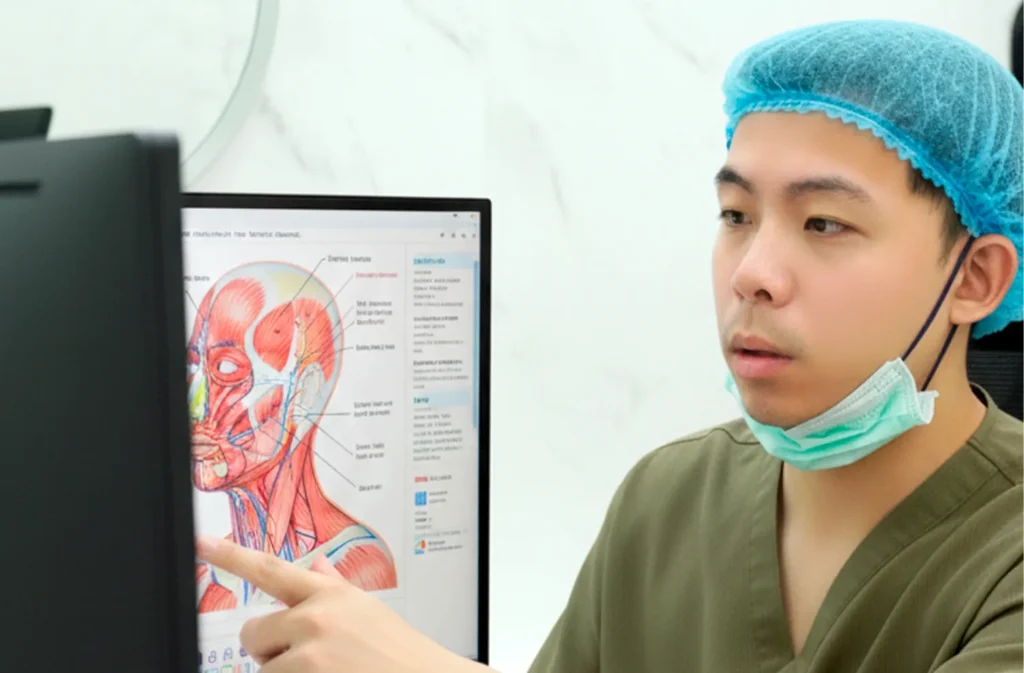
Discuss your goals with a plastic surgeon and assess your facial profile, skull proportions, and back-of-head contour.
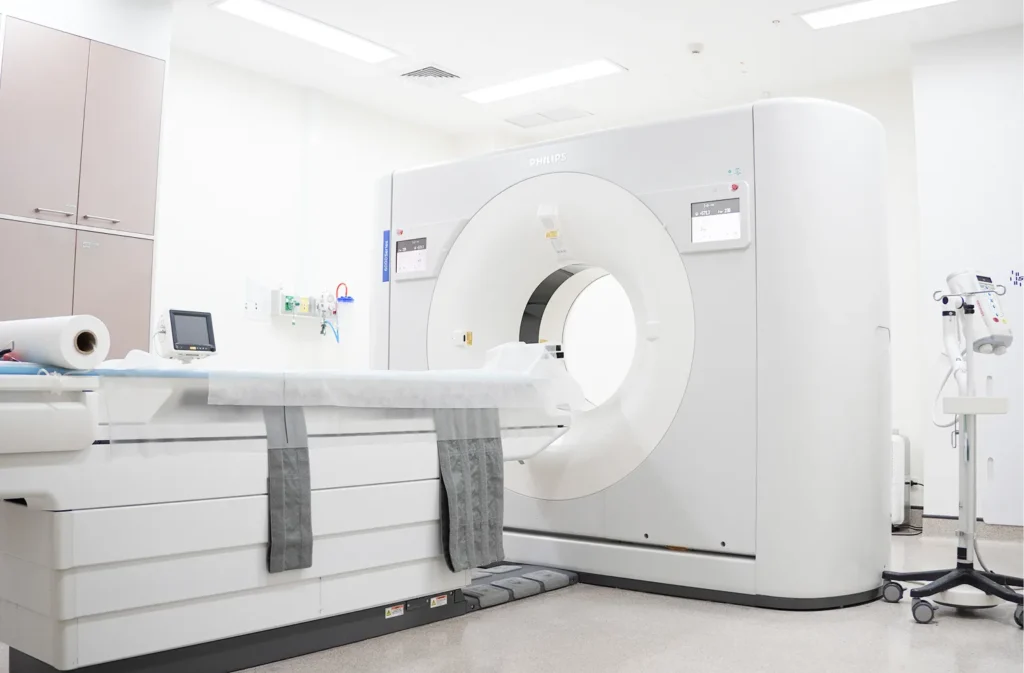
A detailed CT scan creates a precise 3D model of your skull for accurate occipital implant planning.
Your surgeon selects the ideal implant shape, projection, and size based on your anatomy and desired contour.
Your personalized silicone implant is designed to follow your skull shape with tapered edges for a smoother contour.
The custom implant is placed according to the surgical plan under established operating-room safety and monitoring protocols.
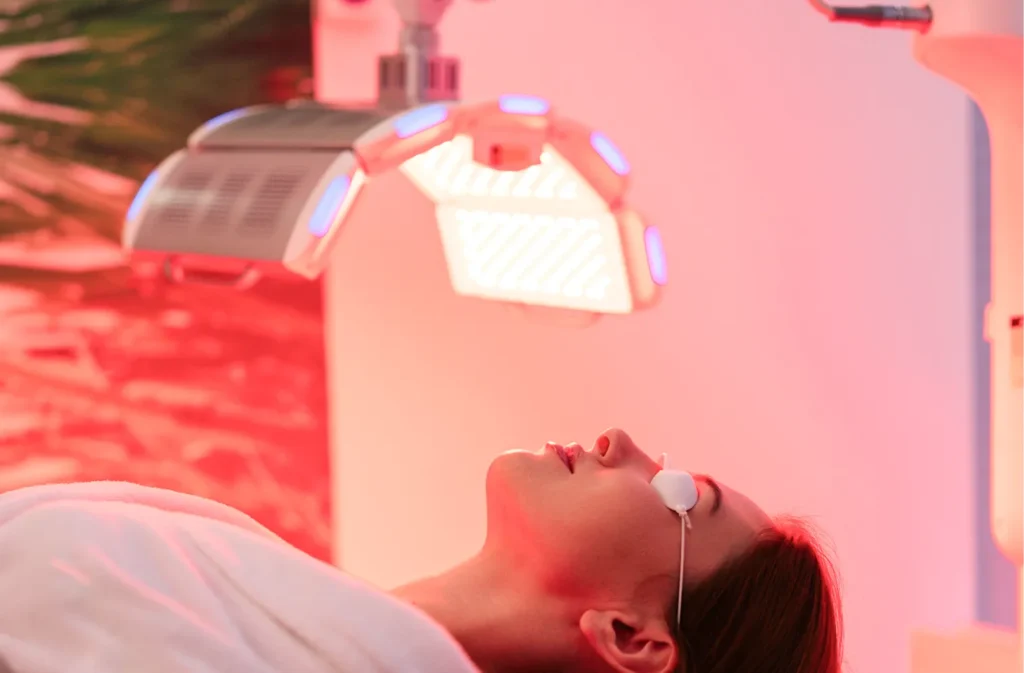
Our team monitors swelling, incision healing, implant position, and recovery progress through scheduled follow-up care.
ONE Clinic : Surgery & Aesthetics
Proper preparation and aftercare can support smoother surgery, faster healing, and a more refined back-of-head contour. Follow your surgeon’s instructions carefully to help reduce the risk of complications throughout your occipital augmentation recovery.
Your surgeon may advise stopping aspirin, ibuprofen, vitamin E, fish oil, ginkgo, and garlic supplements at least 2 weeks before surgery. Do not stop prescribed medication without medical approval.
Avoid smoking and alcohol for at least 2 weeks before surgery, as both may affect circulation, delay healing, and increase the risk of complications.
Inform your surgical team about medical conditions, allergies, current medications, previous surgeries, or pregnancy before your occipital implant surgery.
Wash your hair thoroughly the day before or morning of surgery. Avoid hair gel, spray, oils, or styling products unless otherwise instructed.
Occipital augmentation is typically performed under general anesthesia. Follow your surgical team’s instructions regarding food, drinks, and medications before surgery.
Choose loose, front-opening clothing that is easy to change without pulling over your head or placing pressure on the surgical area.
For the first 3-5 days, sleep on your side with your head elevated. Avoid direct pressure on the incision and follow your surgeon’s positioning instructions.
During the first 48 hours, apply a cold pack around swollen areas without placing it directly on the incision. This may help reduce swelling and discomfort.
Protect the incision from water for the first 2–3 days. Wash your hair only when approved, using a gentle shampoo and cool-air drying.
Complete all prescribed antibiotics and take pain or swelling medication exactly as directed. Contact the clinic if you experience unusual symptoms.
Avoid heavy exercise, alcohol, smoking, and foods that may irritate healing tissues. Follow your surgeon’s recommendations throughout occipital augmentation recovery.
Return for scheduled wound checks and suture removal, usually within 7-14 days. Follow-up care helps monitor healing and implant position.
ONE Clinic : Surgery & Aesthetics
At ONE Surgery & Aesthetics, patient safety comes first. Our hospital-grade operating rooms and surgical equipment are designed to support safe, controlled care.
Positive Pressure Operating Room · ISO Class 7 Cleanroom Standard
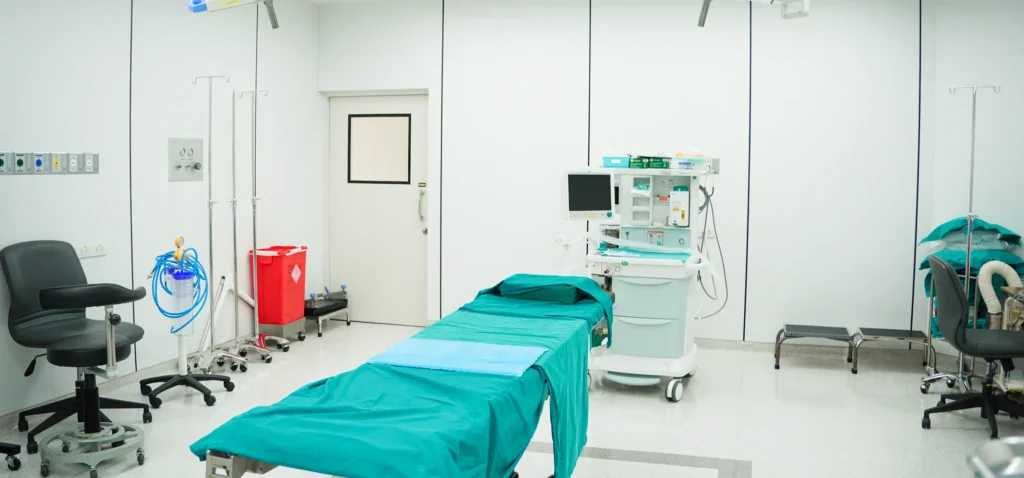
ISO-standard airflow control helps maintain a clean surgical environment and reduce contamination risks during surgery.
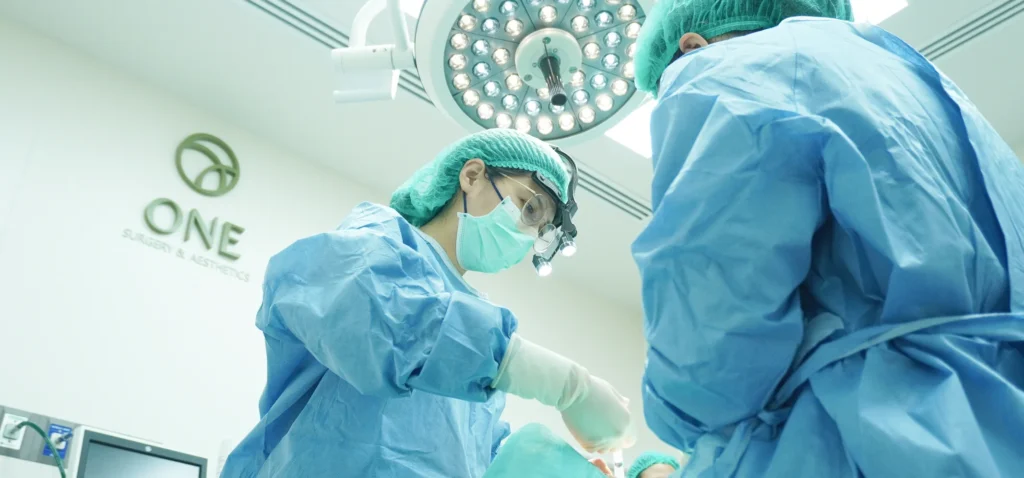
Vital signs are continuously monitored throughout surgery by an experienced anesthesiologist.
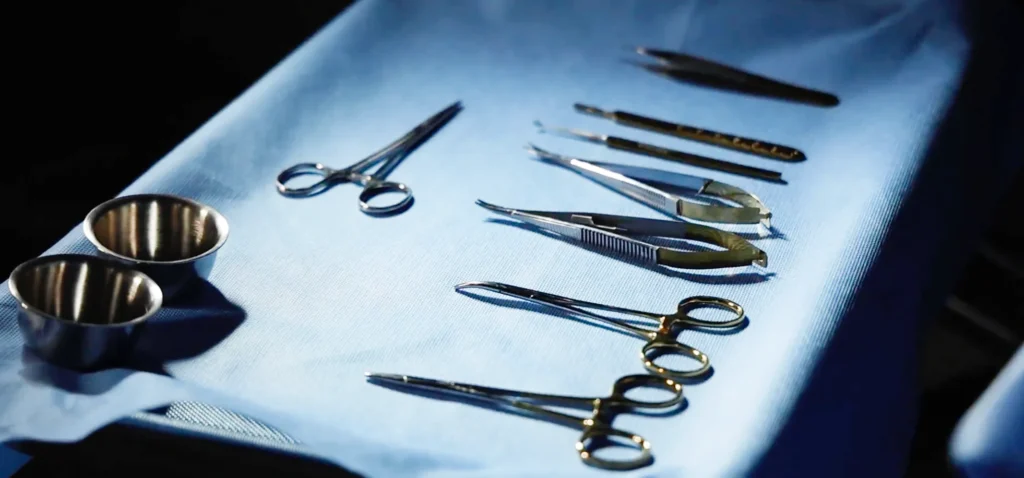
Every surgical instrument undergoes strict hospital-grade sterilization before each procedure.
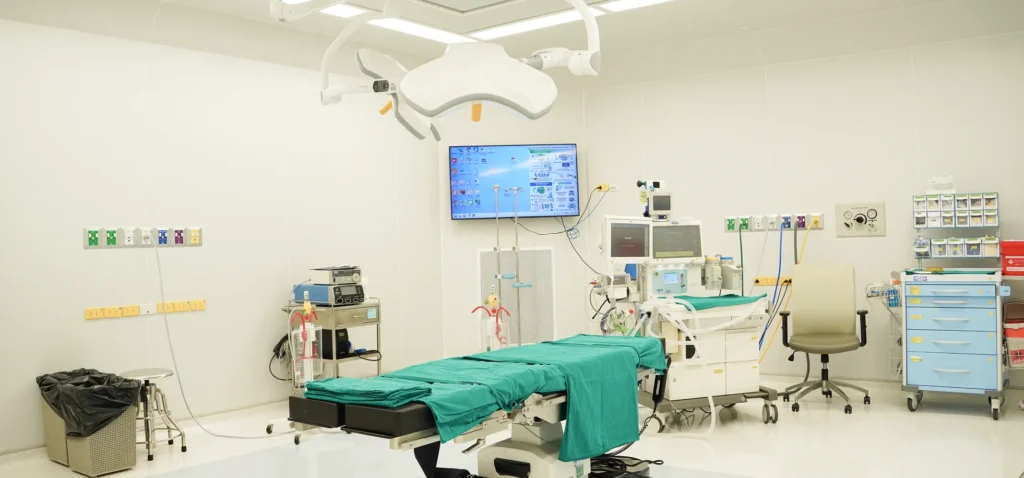
Our operating rooms are equipped with emergency equipment and supported by a medically trained surgical team.
10 — Q & A
A: Occipital augmentation is a surgical procedure that adds projection or improves the external contour at the back of the head. It is performed around the outer surface of the skull and is not surgery on the brain.
The procedure is intended for aesthetic contouring rather than the treatment of a neurological condition. Because the scalp and back-of-head area contain blood vessels, nerves, muscles, and multiple tissue layers, the procedure still requires a thorough medical assessment, appropriate surgical planning, and postoperative monitoring.
A: Occipital augmentation may be considered by adults who are concerned about:
A surgeon must assess the skull contour, scalp thickness and flexibility, hairline, general health, previous surgery or injury, and the patient’s expectations.
Not every flat or asymmetric head shape requires surgery. Some concerns may involve the hairstyle, soft tissue, or another part of the craniofacial structure rather than the occipital area alone.
A: Planning begins with a consultation to understand the patient’s concerns and evaluate the head shape from several angles. For suitable cases, the surgeon may request CT imaging to examine the underlying skull structure and support three-dimensional surgical planning.
The information may be used to plan the implant’s coverage, contour, thickness, and transition into the surrounding head shape. The proposed design must also account for scalp flexibility and the amount of projection that the patient’s tissues can reasonably accommodate.
A digital design is a planning tool. It does not guarantee that the surgical result will precisely reproduce every detail shown on a screen.
A: A personalized occipital implant is planned around the individual patient’s skull contour and the specific area being considered for augmentation.
A standard or preformed implant has predetermined dimensions and may require selection or adjustment based on the anatomy encountered during surgery.
Personalization may help the surgical team plan the implant’s shape and coverage before the procedure. However, a custom design cannot guarantee perfect symmetry, prevent implant movement, eliminate surgical risks, or ensure that the final result will exactly match the digital plan.
A: The achievable amount of projection varies between patients. It is limited not only by the desired appearance but also by the thickness, flexibility, and available capacity of the scalp and surrounding soft tissues.
A larger implant is not automatically a better implant. Excessive tension may affect wound healing and increase the risk of visible edges, discomfort, or other complications.
The surgeon will consider the existing skull contour, implant coverage, tissue condition, and overall proportions when recommending a suitable level of augmentation. In some cases, the change that can be achieved safely may be more conservative than the patient’s initial reference image or digital preference.
A: The incision is usually planned within a hair-bearing area of the scalp. Its exact location and length depend on the implant dimensions, access required, hairline, scalp condition, and the surgeon’s technique.
Hair around the surgical area may need to be trimmed or prepared. It would not be appropriate to promise that no hair will be shaved in every case.
The scar generally changes as healing progresses, but no scar can be guaranteed to become invisible. Patients should inform the surgeon about previous scalp surgery, hair loss, skin conditions, or a history of raised or abnormal scars.
A: Early recovery may involve swelling, tightness, tenderness, numbness, altered scalp sensation, or a feeling of pressure around the treated area. The extent and duration differ between patients.
Sleeping position, hair washing, wound care, medication, and the timing of a return to work or exercise must follow the operating surgeon’s instructions. Patients should avoid unapproved pressure, impact, massage, or strenuous activity around the surgical area during recovery.
The final contour should not be judged during the early swollen stage. Healing and soft-tissue adaptation continue over time, and the recommended follow-up schedule may vary according to the surgical plan and the patient’s progress.
A: The recommended stay depends on the surgical plan, the patient’s health, early recovery, and the number of postoperative appointments required.
International patients should not schedule a return flight using a general online recovery estimate. The surgeon must determine when the patient is medically fit to travel and whether another wound review is required before departure.
An initial consultation may begin online to discuss concerns and review available photographs or medical information. However, final suitability, implant planning, anesthesia assessment, and flight clearance can only be confirmed through the required medical evaluations.
Patients should also plan how follow-up care will be coordinated after returning home.
A: The cost of occipital augmentation depends on the individual treatment plan. Factors may include:
International patients should request a written quotation that clearly states what is included and excluded. The final fee can only be determined after the necessary assessment and surgical planning.
Cost should be considered together with the surgeon’s qualifications, the proposed surgical approach, anesthesia planning, operating environment, postoperative support, and the process for managing concerns or complications.
Considering a Custom Occipital Implant in Bangkok?
Begin with a private consultation at ONE Surgery & Aesthetics Clinic to discuss your concerns and determine whether occipital augmentation may be appropriate for your anatomy and goals.
International patients may begin with an online consultation before arranging travel to Thailand. A final treatment plan can only be confirmed after the required medical assessment.
A: The goal of occipital augmentation is not simply to make the back of the head larger. A well-planned result should create a smoother, more balanced contour that complements the patient’s side profile, hairstyle, facial proportions, and overall head shape.
At ONE Surgery & Aesthetics Clinic, the surgeon evaluates the head from multiple angles and may use CT-based 3D planning to consider the implant’s projection, width, coverage, and transition into the surrounding contour.
The most appropriate design is different for every patient. Some may benefit from subtle central projection, while others may require broader contour correction or improvement of asymmetry. The surgeon will recommend a design that is proportionate to the anatomy and can be supported by the scalp and surrounding tissues.